Our Top Picks
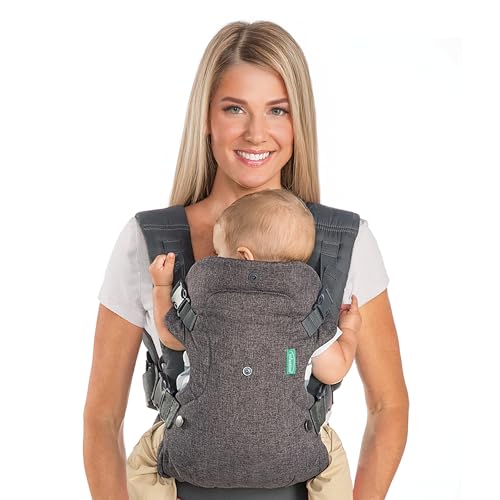 Infantino Flip 4-in-1 Baby Carrier Convertible Ergonomic13.9 x 20.44 x 0.47 Inch10.2 x 10.2 x 4.3 inchesCheck on Amazon
 Chicco SmartSupport Lightweight Frame Backpack Baby Carrier18 x 16.8 x 30.7 inches6.2 PoundsCheck on Amazon
The best infant backpack carrier depends on what “infant” means to you: for a baby who sits steadily at around 6 months, the Osprey Poco LT is our top pick for a framed backpack, and the Ergobaby Omni is the runner-up if you want a soft carrier that moves from front carry to back carry. For younger babies there is no safe backpack position, and a front carrier is the right tool until your baby sits unassisted.
This guide is research-based. We did not personally use these products. We compared manufacturer manuals and spec pages, retailer listings and independent reviews, and we write “not listed” where a figure could not be confirmed. Back carrying puts the baby out of your sight, so readiness, positioning and a second pair of eyes for the first attempts matter more here than anywhere else in babywearing. Ask your pediatrician if your baby is near the minimum age or has any development or hip concern.

besrey Toddler Hiking Backpack Carrier-Adjustable Padded Shoulder Straps | Baby Backpack Carrier with Large Storage Space, Sunshade and Raincover, Safety 3-Height Seat, Comfortable and Lightweight
Chosen because it specifies Baby Backpack Carrier with Large Storage Space and Sunshade and Raincover.
View on Amazon
besrey Toddler Hiking Backpack Carrier-Adjustable Padded Shoulder Straps | Baby Backpack Carrier with Large Storage Space, Sunshade and Raincover, Safety 3-Height Seat, Comfortable and Lightweight
Chosen because it specifies Baby Backpack Carrier with Large Storage Space and Sunshade and Raincover.
View on AmazonInfantino Flip 4-in-1 Baby Carrier Convertible Ergonomic, Gray | Grows with baby from 8-32 lbs. Adjustable fit. Ergonomic hands-free carrying for everyday adventures. Registry Gift
Chosen because it specifies Gray.
View on AmazonChicco SmartSupport Lightweight Frame Backpack Baby Carrier | Padded Adjustable Straps, Breathable Mesh, Flat-Fold, UPF 50+ Canopy, Organizer Pockets, Kickstand for Easy Loading, Grey
Chosen because it specifies Padded Adjustable Straps and Breathable Mesh.
View on AmazonTop Picks at a Glance
- Best Overall Framed Backpack: Osprey Poco LT. About 5.6 lb, 48.5 lb max load, built-in sun shade, 6-month and 16 lb minimum.
- Best Soft Carrier That Goes on Your Back: Ergobaby Omni. Four positions including back, newborn to 48 months per the listing.
- Best Backpack-Style Soft Carrier on a Budget: Beco 8. Listed 7 to 45 lb with front, hip and backpack-style carry.
- Best Light Frame for Walks: Chicco SmartSupport. Child 17 to 40 lb, 42 lb max load, about 6.6 lb.
- Best Premium Soft Carrier With Clear Rules: BabyBjörn Baby Carrier One. Four positions, back carry recommended only after 12 months.
- Best Low-Cost Convertible: Infantino Flip 4-in-1. Listed 8 to 32 lb with a back carry position.
Quick Comparison Table
| Product | Type | Key specs (as published) | Back-carry guidance | Price tier |
|---|---|---|---|---|
| Osprey Poco LT | Framed backpack | About 5.6 lb; 48.5 lb max load; child 16 to 40 lb | Min 6 months, sits upright, 16 lb | Premium |
| Ergobaby Omni | Soft structured | Newborn to 48 months; Omni Breeze family rated 7 to 45 lb | Follow the manual; makers generally require sitting unassisted | Premium |
| Beco 8 | Soft structured | 7 to 45 lb; eight positions; ventilated panel | Backpack-style carry; check manual for age | Mid-range |
| Chicco SmartSupport | Framed backpack | About 6.6 lb; child 17 to 40 lb; max load 42 lb | Sits upright, about 6 months and up | Mid-range |
| BabyBjörn Carrier One | Soft structured | 8 to 33 lb; facing out max 26 lb | Recommended only after 12 months | Premium |
| Infantino Flip 4-in-1 | Soft structured | 8 to 32 lb; four positions | Back carry in the manual; check readiness | Budget |
What Counts as an Infant Backpack Carrier?
Search results for “infant backpack carrier” mix three different products, and the differences affect safety. A framed backpack carrier, like those made for hiking, has a metal frame, a molded seat and a harness. A soft structured carrier has fabric, padded straps and buckles, and some models can be worn on the back. A diaper-bag backpack is not a carrier at all, and is unrelated to this guide.
| Type | Typical earliest age | Why | Best use |
|---|---|---|---|
| Framed backpack | About 6 months, sitting upright without help | Baby sits in a seat and needs trunk and head control | Hikes, long walks, travel |
| Soft carrier, back position | Often 6 months or when the baby sits unassisted; some makers say after 12 months | Baby is out of view and needs reliable control | Daily errands, shorter trips |
| Soft carrier, front position | From newborn weight, often 7 lb | Baby is visible and close | Early months |
REI’s guidance for framed carriers is that the child should weigh at least about 16 lb, have full head and neck control and sit upright unassisted. For soft carriers, makers vary. BabyBjörn recommends back carrying only after 12 months for the Carrier One. Other makers permit back carry earlier when the baby sits independently. Because the baby is behind you, practice with a spotter and a mirror, and follow the manual for your model.
1. Osprey Poco LT: Best Framed Backpack
- Weight: about 5.56 lb per L.L.Bean (older versions listed about 5.1 lb).
- Max load: 48.5 lb including child, pack and gear.
- Child range: about 16 to 40 lb; minimum age 6 months, sits upright with the head steady.
- Sun shade: built-in UPF 50 shade stowed in a pocket.
- Storage: figures range from about 21 to 25L depending on the source.
Best for: walks and hikes with a baby who sits well. Skip if: your baby is under 6 months or cannot sit independently.
Osprey’s rules are among the clearest for framed carriers. A published comparison and several reviewers describe the Poco as the more secure fit for the youngest riders in the framed category. At 5.6 lb it leaves room for gear, and the built-in shade means you do not need to buy one separately. For a 20 lb baby, the carrier plus child is about 25.6 lb, leaving over 22 lb of load capacity for a day pack of diapers, water and layers.
Pros: light; shade included; clear age and weight rules. Cons: premium cost; not for younger infants.
2. Ergobaby Omni: Best Soft Carrier With a Back Position
- Age range: newborn to 48 months per the listing.
- Positions: front inward, front outward, hip and back.
- Weight: the Omni Breeze family is rated 7 to 45 lb in published specs; confirm your version.
- Newborn use: no insert needed for a baby of at least 7 lb.
Best for: parents who want one carrier through every stage. Skip if: you want a frame for hiking.
The Omni moves your baby from front to back as they grow. Because the back position puts the baby out of sight, follow the manual’s readiness guidance and ask for help the first few times. The carrier folds small and weighs about 2 lb, so it travels in a diaper bag.
Pros: long lifespan; four positions; light. Cons: premium cost; versions differ; less storage than a frame.
3. Beco 8: Best Backpack-Style Soft Carrier
- Weight range: 7 to 45 lb.
- Positions: eight, including front facing in, facing out, hip and back, each with the ventilated panel up or down.
- Seat: convertible, plus a removable infant insert.
- Fabric: cool mesh version listed.
Best for: shoppers who want a lower-cost soft carrier with a back position. Skip if: you want fewer steps at newborn stage.
Beco’s published limits are by weight, and we found no official minimum age for back carry. A reviewer suggests back carrying from about 20 lb, but that is an opinion, not a specification, so read the manual. The infant insert adds a step in the newborn stage, which you will not need after the early months.
Pros: eight positions; broad weight range; mesh option. Cons: insert for newborns; no official back-carry age found.
4. Chicco SmartSupport: Best Light Frame for Walks
- Weight: about 6.5 to 6.7 lb.
- Child range: 17 to 40 lb; maximum total load 42 lb.
- Canopy: UPF 50+ with a visor; built-in kickstand.
- Limits: Chicco’s FAQ says it is not for extended, overnight hiking.
Best for: park trails and travel. Skip if: you need torso adjustment.
The SmartSupport is a straightforward frame with a clear label. A reviewer found no torso adjustability and limited storage, so it suits wearers within its fit range. For a 25 lb baby the carrier plus child is about 31.6 lb, leaving roughly 10 lb for gear.
Pros: clear limits; light; kickstand. Cons: no torso adjustment; small storage.
5. BabyBjörn Baby Carrier One: Best Premium Soft Carrier With Clear Rules
- Overall range: 8 to 33 lb (21 in to 39 in).
- Facing out: from 5 months, up to 26 lb.
- Back carry: recommended only after 12 months.
Best for: parents who want conservative published rules. Skip if: you need a back carry before 12 months.
Because BabyBjörn limits back carry to after 12 months, the Carrier One is an infant carrier first and a backpack second. It is the right choice if you value its front positions more than an early back carry.
Pros: clear rules; premium build. Cons: late back carry; premium price.
6. Infantino Flip 4-in-1: Best Low-Cost Convertible
- Weight range: 8 to 32 lb.
- Positions: facing in narrow, facing in wide, facing out and back carry.
- Readiness: the manual uses weight and developmental readiness.
Best for: budget buyers who want a back position later. Skip if: you want a prescriptive month rule.
The Flip is the least expensive way to get a carrier with a back position. Since its rules are weight and development based, a conservative approach is to wait until your baby sits independently and holds the head steady.
Pros: budget; four positions. Cons: less prescriptive; 8 lb minimum.
Also Consider
Osprey Poco SLT
The lighter, lower-cost Poco at about 4.7 lb, with the same 48.5 lb load. Shade and rain cover are sold separately.
Beco Gemini
A 7 to 35 lb convertible with front, hip and back positions and no insert needed. No official minimum age for back carry was found.
Momcozy Baby Carrier with Hip Seat
Listed at 7 to 44 lb with a back carry option on some listings. Check the manual for the age at which back carry is allowed.
How We Chose
We kept carriers that offer a back position or a backpack frame and publish weight limits. We compared manufacturer manuals and spec pages with retailer listings and independent reviews, including REI’s guidance on child carriers. We did not personally use these products. We did not rank by price; tier words describe a general bracket. Where sources disagreed, for example on the Beco back-carry age, we said so and recommended following the manual.
Buying Guide
Start from the baby’s stage
Under 6 months, use a front carrier. At about 6 months with steady sitting, a framed backpack or a soft carrier back position becomes possible. Do not move a baby to your back to save effort if they are not ready.
Do the weight math
For framed carriers, total load is child plus carrier plus gear. A 42 lb limit, a 6.6 lb carrier and 5 lb of gear leaves 30.4 lb for the child. Use your baby’s weight in six months, not today’s.
Get help the first time
Back carrying is easier with a spotter. Practice over a bed, use a mirror, and have a second adult check the straps and the baby’s position.
Check the fit on both wearers
If two adults share the carrier, check torso length and waist range for both. Framed carriers often list a torso range such as about 15 to 21 in.
Plan for time limits
Sources suggest around two hours at a time in a framed carrier, with breaks. Watch the baby’s position and temperature.
Common Mistakes to Avoid
- Moving a baby to a back carry before they sit independently.
- Skipping the weight math for framed carriers.
- Back carrying without a spotter on the first attempts.
- Letting a baby eat or sleep with the head dropped forward.
- Ignoring the manual’s age guidance for the back position.
Weight Math for Framed Backpacks: A Worked Table
Framed carriers publish a total load, so what you can pack depends on your baby’s weight. The table uses a 20 lb baby, typical for many babies at around 8 to 10 months, though growth varies, and the published carrier weights.
| Carrier | Max total load | Carrier weight | Gear capacity with a 20 lb baby |
|---|---|---|---|
| Osprey Poco LT | 48.5 lb | About 5.6 lb | About 22.9 lb |
| Osprey Poco SLT | 48.5 lb | About 4.7 lb | About 23.8 lb |
| Chicco SmartSupport | 42 lb | About 6.6 lb | About 15.4 lb |
The ceilings are generous for an infant, so the limiting factors are your own back and the child’s comfort, not the rating. A practical rule is to keep gear under about 8 to 10 lb for an infant outing, since a baby’s own weight is already a significant load, and to rebalance the pack so heavy items sit close to your spine.
Decision Matrix: Which Back-Carry Option Fits You
| Your situation | Best match | Why |
|---|---|---|
| Weekend hikes with a baby who sits well | Osprey Poco LT | Built-in shade and clear age and weight rules |
| Short walks and travel on a moderate budget | Chicco SmartSupport | Simple frame with a kickstand |
| Everyday errands with a baby who sits | Ergobaby Omni or Beco 8 | Soft carriers that fold into a bag |
| You want conservative published rules | BabyBjörn Carrier One | Back carry only after 12 months |
| You want the lowest cost | Infantino Flip 4-in-1 | Budget price with a back position |
| You have a baby under 6 months | A front carrier only | No back position is appropriate yet |
Getting a Baby Onto Your Back: Step by Step
These steps describe the common hip-scoot method for a soft structured carrier with a back position. Always follow your carrier’s manual, and practise over a bed with a spotter.
- Check readiness. The baby should sit independently and have steady head and trunk control, and be within the weight range for back carry in your manual.
- Start with the carrier on your front. Put the waistband on and keep the panel hanging in front, with the straps loose.
- Lift the baby onto your hip. Hold the baby on one hip, with your other hand supporting the back.
- Slide the baby to your back. Keep one hand on the baby and bring the baby around your side to your back, with the spotter’s hands ready.
- Pull the panel up. With the baby on your back, pull the panel up so it covers the baby’s back and legs, with the knees higher than the bottom.
- Bring the straps over your shoulders. Tighten the straps until the baby is high and snug, close to your back.
- Check. Your spotter should check the baby’s face, the leg position and the buckles before you walk.
With a framed backpack, load the baby while the carrier is on the ground, standing on its kickstand, then lift it with a second adult. Never lift a loaded frame alone for the first time.
Care and What Wears First
On a framed carrier, the seat fabric and the hip belt padding wear first, followed by the buckles. Wipe the seat after use, let the padding dry before folding the frame, and check the frame joints for cracks. On soft carriers, the buckles, webbing and stitching wear first, particularly around the shoulder straps. Wash according to the care label and avoid fabric softener. If you see fraying or a buckle that does not lock, stop using the carrier and contact the manufacturer.
Back-Carry Safety Checklist
Because you cannot see your baby on your back, build a habit of checks. Run through these before you set off, and again after the first few minutes.
- Airway: the baby’s head is upright and the chin is off the chest, with no fabric across the nose or mouth. In a framed carrier, the head should sit clear of the canopy and the harness should not ride up the neck.
- Harness and buckles: every buckle is locked, the chest strap is snug, and the harness is adjusted so the baby cannot slump forward or slide down.
- Leg position: in a soft carrier the panel supports from knee to knee with knees higher than the bottom; in a frame the leg openings do not press on the thighs.
- Height: the baby’s head is high enough that you can hear them and turn your head to check, but not so high that the baby leans out over your shoulder.
- Your own posture: the hip belt carries most of the weight, your back is straight, and the load sits close to your spine.
- Environment: avoid low doorways, tree branches, bending to pick things up and crowds where someone could bump the carrier.
Bending is the common hazard. When you bend forward with a baby on your back, the baby can tip or slide, so bend at the knees and keep a hand on the baby, or have the baby placed on the ground instead. Never carry hot drinks or use a stove while the baby is on your back.
Small Differences That Matter on the Trail and at Home
Temperature
A baby on your back is pressed against your pack or the carrier fabric and cannot tell you when they are hot or cold. Dress the baby in a layer you can check by touching the back of the neck, and stop for a check if you have been walking for a while.
Naps
Babies often fall asleep on the back. In a framed carrier, check that the head is supported and not dropped forward, and use a head support or a roll of fabric only if the maker allows it. In a soft carrier, a hood or panel may support the head, but check the manual before using it.
Feeding
Do not feed a baby while they are on your back. Stop, take the baby out, and offer food or a bottle in a safe seated position.
Getting in and out of a car
Take the carrier off before you enter a car, and never wear a carrier while driving. The baby should be in a properly installed car seat for every trip.
Frequently Asked Questions
What is the best infant backpack carrier?
For a baby who sits steadily, the Osprey Poco LT is the best framed pick. For a soft carrier that includes a back position, the Ergobaby Omni is the best all-round choice.
When can a baby go in a backpack carrier?
Framed carriers are generally for babies who weigh at least about 16 lb and sit unassisted, usually around 6 months. Some soft carriers recommend later for back carry, such as BabyBjörn at 12 months.
Can a newborn use a backpack carrier?
No. Newborns should be carried on the front in a carrier rated for their weight.
Is a soft carrier or a frame better for an infant?
A soft carrier is better for everyday use and younger babies. A frame is better for longer hikes with a baby who sits well.
How do I put a baby on my back?
Follow the manual. Most makers describe a hip scoot or a slide method, and recommend a spotter and practice over a soft surface.
Do I need a sun shade?
For outdoor use, yes. The Poco LT includes one, and others sell it separately.
How long can a baby stay in a backpack carrier?
Sources suggest about two hours at a stretch, with breaks. Watch your baby’s comfort.
Which One Should You Buy?
Buy the Osprey Poco LT for a framed backpack with clear rules, the Ergobaby Omni for a soft carrier that grows with your baby, the Beco 8 for a lower-cost backpack-style soft carrier, the Chicco SmartSupport for simple walks, the BabyBjörn Carrier One if you value conservative rules, or the Infantino Flip for the lowest cost.
Sources
- Osprey Poco product pages and specification summaries
- Chicco SmartSupport owner’s manual and FAQ
- Ergobaby Omni product pages
- Beco product pages and comparison charts
- BabyBjörn Baby Carrier One product page
- REI Expert Advice: Hiking Child Carriers
Last updated: October 2026