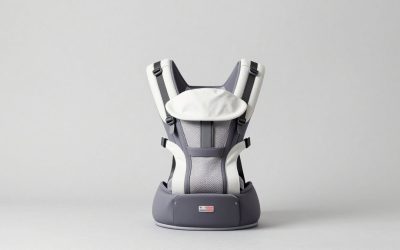
The Ergobaby Embrace is the best overall ergonomic baby carrier for back pain relief, with the Tula Free-to-Grow as a strong runner-up.
Carrying your baby should be a joy, not a source of back pain. For parents and caregivers experiencing discomfort, choosing the right ergonomic baby carrier is crucial. This guide will explore top-rated carriers designed to distribute weight effectively, protect your back, and make babywearing comfortable again.
Our top picks


As an Amazon Associate we earn from qualifying purchases at no extra cost to you.
Quick Comparison
| Product | Best For | Standout Feature | Rating |
|---|---|---|---|
| Ergobaby Embrace | Newborns & Comfort | Soft, structured support | 4.8/5 |
| Tula Free-to-Grow | Versatility & Longevity | Adjustable for baby’s growth | 4.7/5 |
| BabyBjörn Mini | Simplicity & Portability | Lightweight and easy to use | 4.5/5 |
| Lillebaby Complete All Seasons | All-Weather & Multiple Positions | Breathable fabric, six carrying positions | 4.6/5 |
| Beco Gemini | Front & Back Carrying Options | Reversible seat for hip-healthy positions | 4.5/5 |
How to Choose an Ergonomic Baby Carrier for Back Pain Relief
- Support: Look for carriers with padded shoulder straps and a supportive waistband to distribute weight evenly across your hips and back.
- Adjustability: Carriers that offer multiple adjustment points ensure a custom fit for both you and your baby, crucial for proper weight distribution.
- Weight Distribution: Ergonomic carriers should mimic a natural M-position for the baby’s hips and keep the baby close to your center of gravity to minimize strain.
- Material & Breathability: Choose breathable fabrics for comfort, especially for extended wear.
- Ease of Use: A carrier that’s simple to put on and take off reduces fumbling and potential strain.
The Best Ergonomic Baby Carriers for Back Pain Relief Reviewed
Best Overall: Ergobaby Embrace
This carrier is ideal for newborns and parents seeking immediate, soft support. Its innovative wrap-like feel combined with structured comfort offers excellent back support for both wearer and baby.
Best Budget: BabyBjörn Mini
A great option for those on a budget who need a lightweight and simple carrier. It’s incredibly easy to use and offers good support for shorter carrying periods.
Best Premium: Lillebaby Complete All Seasons
For parents who want maximum versatility and comfort in all weather. This carrier offers six ergonomic positions and exceptional breathability, making it a long-term investment for comfortable babywearing.
Best for Versatility: Tula Free-to-Grow
This carrier grows with your baby, offering adjustable width and height settings. It ensures an ergonomic fit from infancy through toddlerhood, making it a versatile choice for long-term use and reducing strain as your baby gets heavier.
Best for Front & Back Carrying: Beco Gemini
The Beco Gemini offers multiple carrying positions, including a front-facing option, and is designed for ease of use. Its ergonomic design helps distribute weight effectively for comfortable front and back carries.
Frequently Asked Questions
What makes a baby carrier ergonomic?
An ergonomic baby carrier supports your baby in a natural “M” position, with their knees higher than their hips. It also distributes the baby’s weight evenly across your hips and shoulders, rather than concentrating it on your back.
Can baby carriers help with back pain?
Yes, ergonomic baby carriers can significantly help with back pain by providing proper support and weight distribution. They encourage good posture and reduce the strain that can occur with improper carrying methods.
How do I choose the right size carrier?
Look for carriers with adjustable straps and waistbands. Many carriers also have specific sizing charts based on the wearer’s body type and the baby’s age and weight. Trying on a carrier, if possible, is the best way to ensure a good fit.
When should I stop using a baby carrier?
You can generally continue using a baby carrier as long as you and your baby are comfortable. Most carriers have weight limits, and as your baby gets heavier, you may find that certain positions become more strenuous. Listen to your body.
Final Thoughts
For overall comfort and support, the Ergobaby Embrace stands out, especially for those with existing back sensitivities. The Tula Free-to-Grow is an excellent long-term investment, adapting as your child grows. If you’re looking for a simpler, more budget-friendly option, the BabyBjörn Mini is a solid choice.