Our Top Picks
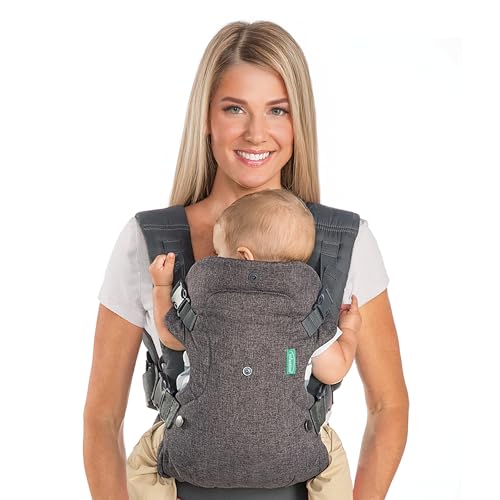 Infantino Flip 4-in-1 Baby Carrier Convertible Ergonomic13.9 x 20.44 x 0.47 Inch10.2 x 10.2 x 4.3 inchesCheck on Amazon
 Momcozy Newborn Carrier WeeSnug- Lightweight and Cozy Comfort14.2 x 5.3 x 5.9 Inches1.2 PoundsCheck on Amazon
The best new born carrier for most families is the BabyBjörn Baby Carrier Mini, because it is built for the smallest babies, has an official range of 7 to 24 lb and keeps the fit simple. The Beco Gemini is the runner-up for parents who want one cotton carrier that lasts well past the first months, with a published range of 7 to 35 lb and no infant insert needed.
This guide is research-based. We did not personally use these products. We compared manufacturer manuals and spec pages, retailer listings and independent reviews, and we write “not listed” where a figure could not be confirmed. The first twelve weeks are when a carrier matters most and when fit mistakes are easiest to make, so the guide pairs each pick with a week-by-week plan and a fit checklist. Ask your pediatrician before using any carrier if your baby was born early, weighs under the carrier’s minimum or has a medical concern, and ask a babywearing educator to check your fit if you can.

KeaBabies Baby Wrap Carrier, All in 1 Original Baby Carrier, Trendy Black | Easy to Wear Newborn to Toddler Sling, Hands Free Bonding, Lightweight, Breathable Infant Wraps, Adjustable Snug Fit
Chosen because it specifies All in 1 Original Baby Carrier and Trendy Black.
View on AmazonInfantino Flip 4-in-1 Baby Carrier Convertible Ergonomic, Gray | Grows with baby from 8-32 lbs. Adjustable fit. Ergonomic hands-free carrying for everyday adventures. Registry Gift
Chosen because it specifies Gray.
View on AmazonMomcozy Newborn Carrier WeeSnug- Lightweight and Cozy Comfort for 7-25 lbs | Ergonomic Cross-Back Support and Lumbar Pad, Effortless to Put On, 100% Soft Cotton, OEKO-TEX, Visual Size Scale, Khaki
Chosen because it specifies Ergonomic Cross-Back Support and Lumbar Pad and Effortless to Put On.
View on Amazon
GROWNSY Newborn Carrier, Ergonomic, Cozy Baby Carrier, Cream
Chosen because it specifies Ergonomic and Cozy Baby Carrier.
View on AmazonTop Picks at a Glance
- Best Overall: BabyBjörn Baby Carrier Mini. Official range 7 to 24 lb, built for small babies, leg straps for 7 to 10 lb.
- Best That Lasts: Beco Gemini. 7 to 35 lb, four positions, convertible seat, no insert.
- Best Value Structured: Momcozy Newborn Carrier WeeSnug. 7 to 25 lb, 100% cotton, front-inward only.
- Best Budget Convertible: Infantino Flip Luxe. Listed 7 to 35 lb with four positions.
- Best Buckle Wrap: WildBird Aerial Buckle Wrap. Marketed for 0 to 6 months, sized XS to XL.
- Best Ring Sling for Quick Carries: Boba Ring Sling. Bamboo viscose and linen, listed 8 to 35 lb.
Quick Comparison Table
| Product | Best for | Key specs (as published) | Watch for | Price tier |
|---|---|---|---|---|
| BabyBjörn Baby Carrier Mini | Smallest babies, simple fit | 7 to 24 lb official; 21 to 30 in; facing in | Outgrown sooner | Mid-range |
| Beco Gemini | One carrier for a long stretch | 7 to 35 lb; front in, front out, hip, back; no insert | Wider panel needs correct width setting for a newborn | Mid-range |
| Momcozy WeeSnug | Budget structured carrier | 7 to 25 lb; cotton; about 1.63 lb; front inward only | Warm fabric | Budget to mid-range |
| Infantino Flip Luxe | Low-cost convertible | 7 to 35 lb listed; four positions | Older listings show 8 to 32 lb | Budget |
| WildBird Aerial Buckle Wrap | Wrap comfort without tying | 0 to 6 months; XS to XL; weight limit not listed | Short window | Mid-range |
| Boba Ring Sling | Quick, short carries | 8 to 35 lb; 52% bamboo viscose, 48% linen; one size | One-shoulder load; positioning needs care | Mid-range |
The First 12 Weeks: What You Actually Need From a Carrier
New babies change quickly, and the carrier that fits at week one may sit differently at week ten. A common pediatric reference is that babies gain roughly 5.5 to 8.5 oz a week in the first six months, so a 7 lb baby may be close to 10 lb by 12 weeks. That growth moves the baby from the minimum of many carriers’ ranges toward the middle, and changes how the panel width, head support and leg openings should be set.
| Stage | Typical needs | What to adjust |
|---|---|---|
| Weeks 0 to 4 | Full head and neck support, deep curl, short wear times | Narrowest seat setting, leg straps if available, panel raised for head support |
| Weeks 4 to 8 | Longer carries, more alertness, first smiles | Widen the seat slightly if the knees drop; recheck the height |
| Weeks 8 to 12 | Growing weight, stronger neck, more movement | Recheck waistband, straps and width; confirm the position still suits the baby |
Treat the ages in the table as general patterns, not milestones. Premature or small babies may need more time in the early settings, and your pediatrician’s advice comes first.
1. BabyBjörn Baby Carrier Mini: Best Overall
- Official range: 7 to 24 lb, 21 to 30 in, 0 to 12 months (some retailers round to 25 lb).
- Leg openings: leg straps reduce the openings for babies of 7 to 10 lb.
- Positions: facing in for the newborn stage; BabyBjörn says outward-facing belongs to older babies, around five months.
- Fabrics: 3D jersey, woven and mesh options.
Best for: families who want the shortest learning curve for the first months. Skip if: you want a carrier for toddlerhood.
The Mini is the simplest in this guide: the panel is shaped for a newborn, the straps clip on and the waistband is fixed. A review source notes the Mini is recommended mostly for babies up to about 6 months and 15 lb, so plan on a second carrier if you carry often. In the first weeks that is exactly what the carrier is for.
Pros: simple; made for small babies; leg straps; multiple fabrics. Cons: short lifespan; fewer positions.
2. Beco Gemini: Best That Lasts
- Weight range: 7 to 35 lb.
- Positions: front inward, front outward, hip and back.
- Seat: convertible, so no infant insert is needed.
- Fabric: 100% cotton on several versions; a 3D mesh panel version is also listed.
Best for: parents who want a single cotton carrier from newborn to toddler. Skip if: you want a newborn-specific panel.
The Gemini’s seat adjusts in width, which is how it covers both a 7 lb baby and a 30 lb toddler. A reviewer notes the wider inward-facing seat settings work from about 4 months, so check how the seat looks on a newborn: the thighs should be supported and the knees higher than the bottom. We found no official minimum age for its outward position, so rely on the manual.
Pros: long lifespan; cotton; no insert. Cons: needs careful seat setting for a newborn; mid-range cost.
3. Momcozy Newborn Carrier WeeSnug: Best Value Structured
- Weight range: 7 to 25 lb.
- Position: front inward only.
- Fabric: 100% cotton, listed as OEKO-TEX certified and machine washable.
- Weight: about 1.63 lb.
Best for: a lower-cost newborn carrier. Skip if: you live in a hot climate.
The WeeSnug has a foldable head support and a waistband with a width scale. Momcozy’s table lists no cooling fabric, so it suits mild weather. It carries inward only, which matches the newborn stage.
Pros: low cost; cotton; washable. Cons: one position; warm in heat.
4. Infantino Flip Luxe: Best Budget Convertible
- Weight range: 7 to 35 lb as described by Infantino; the older Flip lists 8 to 32 lb.
- Positions: four.
- Readiness: Infantino ties each position to the baby’s weight and development.
Best for: one low-cost carrier for a long stretch. Skip if: you want a newborn-specific design.
Because the panel is built to cover a wide weight range, check the seat width setting at 7 lb and confirm the baby is not sinking into the carrier. Some Luxe listings still show an 8 to 32 lb header, so go by the label.
Pros: budget; four positions. Cons: less newborn-specific; listing inconsistency.
5. WildBird Aerial Buckle Wrap: Best Buckle Wrap
- Age range: 0 to 6 months as marketed.
- Sizing: standard sizes XS to XL.
- Closure: buckle, so there are no long tails to tie.
- Weight limit: not listed in the sources we reviewed.
Best for: parents who like a soft wrap but not tying. Skip if: you want a carrier for older babies.
Check the size chart carefully, since the wrap is sized to the wearer. A snug fit keeps the baby high and supported.
Pros: soft; no tying; sized to the wearer. Cons: short window; weight limit not listed.
6. Boba Ring Sling: Best for Quick Carries
- Weight range: 8 to 35 lb on Boba’s pages; one page lists 7 to 35 lb.
- Fabric: 52% bamboo viscose and 48% linen, machine washable.
- Sizing: one size, XXS to XXL.
Best for: short carries and in-and-out use. Skip if: you carry for long stretches.
A ring sling needs careful positioning with a newborn: upright, chin off the chest, face visible and fabric tight across the back. A babywearing educator can check your technique.
Pros: fast; breathable; fits any size. Cons: one-shoulder load; positioning needs care.
Also Consider
KeaBabies Baby Wrap Carrier
A low-cost stretch wrap listed from 7 to 35 lb, about 202.7 x 21.6 in. Fabric content varies by source, so check the label.
GROWNSY Newborn Carrier
A newborn-focused carrier at a mid-range price. Its weight range was not listed in the sources we reviewed.
Ergobaby Omni
A four-position carrier for newborn to 48 months, with no insert needed for babies of at least 7 lb per Ergobaby’s published guidance for the Omni line.
How We Chose
We kept carriers that publish a minimum weight of 7 or 8 lb and are described for newborn use. We compared manufacturer manuals and spec pages, retailer listings and independent reviews. We did not personally use these products. We did not rank by price; tier words describe a general bracket. Where sources disagreed, such as the Boba sling minimum, we reported both figures.
Buying Guide
Use TICKS as your fit check
TICKS is a commonly taught checklist: tight, in view at all times, close enough to kiss, keep the chin off the chest, supported back. Run through it every time you put the baby in the carrier, and again after a few minutes.
Weigh the baby and compare to the label
A baby under the minimum weight should not be in the carrier. Weigh your baby recently, and confirm the label on your carrier, since listings sometimes differ from the product.
Match the carrier to your recovery and routine
After birth your body is healing, and your comfort matters. Choose a carrier that sits above or well below any tender area, has a wide waistband or soft shoulder straps, and is easy to adjust. If you had surgery or have pain, ask your doctor or physical therapist before carrying.
Plan for sleep and feeding
Babies often sleep in a carrier. Keep the airway clear and the face visible, and move the baby to a flat sleep surface when you can. Feed the baby out of the carrier in a seated position unless your educator has helped you with a nursing position.
Think about the second adult
If a partner will share, check the waist range and strap length for both. Buckle carriers are easier to share than wraps.
Common Mistakes to Avoid
- Using a carrier before the baby reaches the minimum weight.
- Letting the baby slump so the chin touches the chest.
- Wearing a loose wrap or sagging straps.
- Covering the baby’s face with fabric or a blanket.
- Skipping a fit check after the baby shifts.
Week-by-Week Plan for Wearing a New Born
A simple schedule helps you build skill without rushing. The plan below is a general pattern for a full-term, healthy baby who meets the carrier’s minimum weight. Adapt it to your baby’s cues and to your pediatrician’s advice.
Weeks 1 to 2: Practice and short wears
Spend the first days learning the carrier, not carrying for hours. Practise putting it on without the baby, then with a spotter and the baby for five to ten minutes at a time in a quiet room. Sit on the bed or sofa while you practise, so a mistake is a short drop. Many parents find that a baby who is calm and fed is easiest to settle in the carrier.
Weeks 3 to 6: Build up to walks
Once the fit feels automatic, add short walks around the home or block. Check the baby’s position at the start, after a few minutes and when you stop. Take the baby out for feeds and changes in a safe seated position.
Weeks 7 to 12: Recheck the settings
Your baby is heavier and stronger. Re-measure the seat width, check the leg position, and confirm that the baby’s head and neck are still supported. If you use a wrap, retie it snugger. If you use a convertible, widen the seat only as the manual allows and as the baby’s thighs need support.
Decision Matrix: Which Carrier for Your Situation
| Your situation | Best match | Why |
|---|---|---|
| You want the simplest possible newborn fit | BabyBjörn Baby Carrier Mini | Fixed panel, clip-on straps, leg straps for small babies |
| You want one carrier for the first two years | Beco Gemini or Infantino Flip Luxe | Convertible seat and wide weight range |
| You are on a tight budget | Momcozy WeeSnug or Infantino Flip Luxe | Lower price tier with a 7 lb minimum |
| You like the feel of fabric and a snug hold | WildBird Aerial Buckle Wrap or KeaBabies wrap | Wrap-style support without a rigid panel |
| You make many short trips | Boba Ring Sling | Fast to put on and take off |
| You share the carrier with a partner of a very different size | Beco Gemini or Boba Ring Sling | Wide size range and quick adjustment |
Cost Per Month: A Quick Calculation
We avoid exact prices because they change, but you can compare real cost with a simple formula: price divided by months of use. A newborn carrier like the Mini used for about 6 months divides the price by 6. A convertible like the Gemini used for 24 months divides the price by 24, so a convertible at three times the price costs about 50 percent more per month than the Mini would over its shorter life. If you expect to carry often and for a long time, a convertible usually wins; if you will carry only in the early months, a newborn-specific carrier is the better value. Resale also matters: clean carriers from well-known makers tend to resell.
Care and What Wears First
New babies spit up, leak and sweat, so washability matters. Check the care label: the WeeSnug is listed as machine washable, and the Boba sling is machine washable according to retailers. Avoid fabric softener, which can reduce grip, and high heat, which can damage elastic or buckles. Inspect straps, buckles and stitching before each use. The parts that wear first are the buckles, the webbing and the edges where the baby’s legs rest. If you see fraying or a buckle that does not lock cleanly, stop using the carrier and contact the maker.
Sizing the Carrier to the Wearer, Not Just the Baby
Most shoppers check the baby’s range and forget the wearer’s. A carrier that does not fit you cannot hold the baby high and snug. Three measurements matter.
- Waist or hip circumference: structured carriers list a waistband range. The Momcozy hip seat carrier lists up to about 45 in on most listings, while Ergobaby lists waistbands of roughly 17.8 to 57 in for the Omni Breeze. Measure over the clothes you wear most.
- Torso length: a short torso can leave the panel sitting low, which drops the baby below the kissable height. A tall torso can make the panel look short on the baby. Try the carrier on and look in a mirror before relying on it.
- Chest and shoulder width: a petite wearer may find wide shoulder straps slipping, and a larger wearer may want longer straps. Wraps and slings adjust more than structured carriers, which is one reason they suit sharing between different-sized adults.
If you are recovering from birth, your waist measurement may be different in the first weeks than it will be later. Choose a carrier with a generous adjustment range, and recheck the waistband at around 8 weeks.
Small, Early or Low-Birthweight Babies
Carrier minimums of 7 or 8 lb exclude many early or small babies. Some carriers are marketed for babies under 7 lb, and many babywearing educators work with parents of early babies, but the right approach depends on the baby’s health and your pediatrician’s advice. A baby who is born early may have different breathing and temperature needs, and a poorly fitting carrier can be a risk. Ask your medical team before carrying, and if they approve, consider asking a babywearing educator or a lactation or postpartum professional with babywearing training to check your fit in person. Do not rely on a listing alone.
Hospital to Home: A Short Checklist
- Buy and try the carrier before the birth so you have practised once with a weighted doll.
- Confirm the baby’s weight at discharge or the first check-up before the first use.
- Bring the carrier’s manual and keep it where you can find it.
- Wash the carrier according to the care label before first use.
- Arrange a spotter for the first few attempts, and ask a local babywearing group or educator if they can check your fit.
- Keep the car seat as the only way to carry your baby in a vehicle; the carrier is for walking and the home.
Frequently Asked Questions
What is the best new born carrier?
The BabyBjörn Baby Carrier Mini is our overall pick for the first months, and the Beco Gemini is the better choice if you want a carrier that lasts well beyond them.
When can I start using a carrier with a newborn?
When your baby meets the carrier’s minimum weight, usually 7 or 8 lb, and your pediatrician agrees. Premature and small babies need individual advice.
Do newborn carriers need an infant insert?
The WeeSnug and Gemini do not require one. Some convertibles do, so read your manual.
Is a wrap or a structured carrier better for a new born?
A wrap is softer and adaptable, while a structured carrier is quicker and easier to share. Choose based on your routine.
Can a baby sleep in a carrier?
Babies often do. Keep the airway clear, the chin off the chest and the face visible, and move the baby to a flat sleep surface when you can.
How long can I wear my baby?
There is no universal limit. Start with short sessions and build up, take breaks, and take the baby out if they seem hot or upset.
Is a carrier safe after a cesarean?
Ask your doctor. Many parents wait until cleared, and choose a carrier with the waistband away from the incision.
Which One Should You Buy?
Buy the BabyBjörn Mini for the simplest newborn fit, the Beco Gemini for a carrier that lasts, the Momcozy WeeSnug for value, the Infantino Flip Luxe for a budget convertible, the WildBird buckle wrap for a soft wrap without tying, or the Boba Ring Sling for quick carries.
Sources
- BabyBjörn Baby Carrier Mini product page
- Beco Gemini product information and comparison charts
- Momcozy WeeSnug product page
- Infantino Flip Luxe product page and manual
- Boba ring sling product pages
Last updated: October 2026