Key takeaways
- Best Overall: KeaBabies Baby Wrap Carrier – breathable, lightweight, newborn to toddler fit.
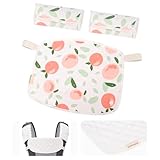
- Best Easy-On Design: Momcozy Baby Wrap Carrier – two-piece design, newborn to 33 lb, XXS-XXL fit.
- Best Cotton Wrap: Boba Stretch Cotton Wrap – breathable, 7-35 lbs.
- Best Premium Buckle Wrap: WildBird Aerial Buckle Wrap – 0-6 months, padded waist belt, head support.
- Best Woven Wrap: Hip Baby Wrap Woven – 8-35 lbs, doubles as a nursing cover.
- Best for Postpartum Comfort: Sleepy Wrap – soft, stretchy, 7-35 lbs, marketed for postpartum support.
- Best Budget: Yolay Baby Wrap Carrier – listed up to 50 lbs, lowest price tier.
The best baby wrap carrier for a winter newborn is a soft stretch wrap such as the KeaBabies Baby Wrap or the Boba Stretch Cotton Wrap, worn close to your body under a roomy coat or a weather cover. The KeaBabies wrap is our top pick for its easy-to-wear, breathable, adjustable fit, and the Momcozy Easy-On wrap is the runner-up for parents who find tying a long wrap intimidating, because it goes on like a t-shirt. This guide focuses on wraps only (stretchy, woven and buckle hybrids), explains how each type behaves in cold weather, and shows how to dress a newborn so the wrap helps instead of overheating them.
Wraps are popular with doulas and postpartum professionals because they hold a newborn in a natural curled position and work well in the fourth trimester. In winter, though, a wrap has two special jobs. It must be snug enough to keep a tiny baby secure while you bundle up, and it must not trap so much heat that baby is too warm once a coat goes over the top. The sections below compare seven wraps and wrap-style carriers, then four winter add-ons that make cold-weather outings easier.
Top Picks at a Glance
- Best Overall: KeaBabies Baby Wrap Carrier – breathable, lightweight, newborn to toddler fit.
- Best Easy-On Design: Momcozy Baby Wrap Carrier – two-piece design, newborn to 33 lb, XXS-XXL fit.
- Best Cotton Wrap: Boba Stretch Cotton Wrap – breathable, 7-35 lbs.
- Best Premium Buckle Wrap: WildBird Aerial Buckle Wrap – 0-6 months, padded waist belt, head support.
- Best Woven Wrap: Hip Baby Wrap Woven – 8-35 lbs, doubles as a nursing cover.
- Best for Postpartum Comfort: Sleepy Wrap – soft, stretchy, 7-35 lbs, marketed for postpartum support.
- Best Budget: Yolay Baby Wrap Carrier – listed up to 50 lbs, lowest price tier.
Quick Comparison Table
| Wrap | Type | Key specs (per listing) | Watch for | Price tier |
|---|---|---|---|---|
| KeaBabies Baby Wrap | Stretch | Newborn to toddler, breathable, adjustable fit | Weight limit not in title | Budget to mid-range |
| Momcozy Easy-On Wrap | Two-piece stretch | Newborn to 33 lb, XXS-XXL, IHDI hip-healthy | Sizing needs checking | Budget to mid-range |
| Boba Stretch Cotton Wrap | Stretch cotton | 7-35 lbs, breathable, hands-free | Long tails to tie | Mid-range |
| WildBird Aerial Buckle Wrap | Buckle wrap | 0-6 months, standard XS-XL, padded waist belt, head support | Outgrown in about six months | Premium |
| Hip Baby Wrap Woven | Woven | 8-35 lbs, machine washable, nursing cover | Steeper learning curve | Mid-range to premium |
| Sleepy Wrap | Stretch | 7-35 lbs, soft, hip-healthy | Stretches over time | Budget to mid-range |
| Yolay Wrap Carrier | Stretch | Newborn to toddler, listed up to 50 lbs | Heavier babies need more support than stretch fabric gives | Budget |
1. KeaBabies Baby Wrap Carrier: Best Overall
- Stretch wrap, one long piece of fabric
- Marketed for newborn to toddler
- Lightweight and breathable infant wrap, adjustable snug fit
- Hands-free carrying
- Exact fabric blend and weight limit: not listed in the title
Best for: parents who want a classic, affordable wrap for the first months and plan to wear it under a coat. Skip if: you expect to carry a toddler for long periods, or you want a structured, buckle-style carrier.
A stretch wrap relies on the fabric giving slightly as you tie it. That makes it easy to pop baby in and out, and it also lets you tighten the wrap in the car park before you put your coat on. For winter newborns, the key advantage is the way the wrap sits close to your body: baby benefits from your warmth while you control the layers. KeaBabies is a long-running name in the category, and the product is available in many colours that suit a winter wardrobe.
The one thing to learn is the tie. Practise it indoors before heading into the cold, because fumbling with a long tail in a snowy driveway is stressful. Once tied, the wrap can stay on while you take baby out and put them back in, which helps for short errands.
Pros: soft and breathable; easy to wear under a coat; wide colour choice; affordable. Cons: needs practice to tie; stretches with heavier babies; long tails drag in snow.
2. Momcozy Baby Wrap Carrier: Best Easy-On Design
- Two-piece design that goes on like a t-shirt
- Newborn to 33 lb (per the listing)
- Adjustable XXS to XXL fit
- IHDI hip-healthy designation named by the maker
- Fabric blend: not listed in the title
Best for: parents who dislike tying wraps or who must put it on in the car park. Skip if: you want to tie multiple carry positions or share one wrap between parents of very different sizes.
The two-piece design is the biggest selling point. A traditional stretch wrap needs several metres of fabric to be wound around the body, while this one is closer to a snug vest with a second panel. For a winter newborn, ease of use matters because you often need to bring baby out of a warm house into a cold car, then into a shop, and each step involves adjusting layers. A wrap that is quick to wear gets used more often.
Because it comes in a range from XXS to XXL, check the maker’s size chart against your chest measurement rather than guessing from clothing size. The IHDI mention indicates that the International Hip Dysplasia Institute lists this style of carry as hip-healthy under its guidelines; as with any carrier, positioning matters more than a logo, so check that baby’s knees sit above the bottom with thighs supported.
Pros: quick on and off; wide size range; light; low price tier. Cons: less adjustable than a long wrap; size choice is important; fewer carry positions.
3. Boba Stretch Cotton Wrap: Best Cotton Wrap
- Stretch cotton newborn wrap
- 7-35 lbs, according to the listing
- Marketed as breathable with an ergonomic, secure hold
- Hands-free carry from newborn to toddler
Best for: parents who want a natural-fibre wrap and who prefer cotton against a newborn’s skin. Skip if: you want a ready-to-wear design with no tying.
Cotton is soft, breathable and handles washing well. In winter that gives you a useful layering option: baby in a thin base layer, the cotton wrap over the top, and a fleece or coat over both of you. Because cotton breathes, it helps to avoid the damp feeling that appears when synthetic layers trap sweat. The Boba wrap is one of the most commonly recommended starter wraps among babywearing groups, and the 7-35 lb range covers the first year for most babies.
For very small newborns under the stated minimum weight, follow the maker’s instructions and speak to a babywearing educator or your doctor. Do not rely on a listing alone.
Pros: soft cotton; widely recommended; comfortable weight range; washable. Cons: requires tying practice; fabric tails; less structured than a buckle carrier.
4. WildBird Aerial Buckle Wrap: Best Premium Buckle Wrap
- Buckle wrap for 0-6 months
- Standard sizing XS-XL
- Front carry only, per the listing
- Soft fabric with straps, head support and a padded waist belt
Best for: newborn-stage parents who want the softness of a wrap with the quick fastening of a buckle carrier. Skip if: you want a carrier that lasts into toddlerhood or supports back carries.
This hybrid design speaks to a real issue with winter wrapping: tying a long wrap while wearing gloves is frustrating. The aerial buckle closes in seconds, and the padded waist belt shares weight so that your shoulders do not feel every pound. Head support is built in, which is an advantage for the small infants this product targets.
The trade-off is its short lifespan. Because it is listed for 0-6 months, you will outgrow it, and the premium price tier means it is best for people who want a special newborn carrier or who plan to use it for more than one child. For a one-off purchase, a stretch wrap such as KeaBabies provides more months of use for less money.
Pros: quick buckle fastening; padded waist belt; built-in head support; soft fabric. Cons: premium price tier; short usable window; front carry only.
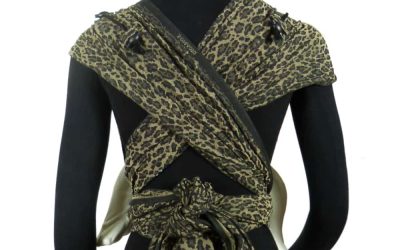
5. Hip Baby Wrap Woven: Best Woven Wrap
- Woven wrap with ergonomic weight distribution
- 8-35 lbs (per the listing)
- Machine washable
- Can be used as a nursing cover, per the listing
Best for: parents who want a wrap that supports a growing baby and who are willing to learn a few carries. Skip if: your baby is under 8 lbs and you cannot confirm the maker’s newborn guidance.
A woven wrap does not stretch, so once tied it holds baby with consistent support. This is helpful for heavier babies and for longer wears, and it is the reason experienced babywearers often move from a stretch wrap to a woven one around the third month. In winter the woven fabric works well under a coat because it does not give as you lean or bend. The weight range starts at 8 lbs, so for tiny newborns a stretch wrap is generally the safer first choice.
Learning a woven wrap requires practice, and many local babywearing groups run free sessions. For winter, ask them to show you a carry that keeps the fabric tails tucked away, because trailing fabric on wet ground is a common nuisance.
Pros: strong, non-stretch support; machine washable; doubles as a nursing cover; long-lasting. Cons: steeper learning curve; heavier fabric; not ideal for the smallest newborns.
6. Sleepy Wrap: Best for Postpartum Comfort
- Stretchy, soft wrap carrier
- 7-35 lbs per the listing
- Lightweight and hip-healthy positioning noted by the maker
- Marketed for postpartum support
Best for: new parents who want a very soft, simple wrap for the first months. Skip if: you need a heavier-duty carrier for long walks with a bigger baby.
Doulas often suggest a soft stretch wrap for the early weeks because it is gentle on a healing body, has no buckles or hard edges, and allows baby to sleep against the chest. The Sleepy Wrap fits that description. For a winter newborn it is especially useful at home: you can wear baby for naps in a cool house, with the wrap acting as an extra layer around baby, and put a cardigan or coat over both of you when you go out.
Check baby’s position every few minutes: face visible, chin off the chest, back supported. These rules apply to every wrap, but they matter more in winter when extra clothes can hide the signs of a slumped position.
Pros: very soft; simple; reasonable weight range; affordable. Cons: stretches out; limited carry options; less suited to long wears with heavier babies.
7. Yolay Baby Wrap Carrier: Best Budget
- Soft stretch wrap carrier
- Newborn to toddler, listed up to 50 lbs
- Hands-free, adjustable
- Fabric details: not listed in the title
Best for: parents who want to try wrapping without spending much. Skip if: you want a recognised brand with clear size guidance and a published safety test record.
The Yolay wrap is the lowest price tier here. The listing claims it works up to 50 lbs, but a stretch wrap generally becomes uncomfortable well before that, so treat the number cautiously. Compared with more established wraps, the main value is price: if you only plan to use a wrap for the first few months, a budget wrap makes sense.
Always check manufacturer safety information, including any product safety certification, before use, and consider the added cost of a winter cover or coat extender if you need one.
Pros: lowest price tier; simple; many colours. Cons: little brand information; stretch fabric limits comfort at higher weights; fewer verified details.
Also Consider
Orzbow Winter Baby Carrier Cover
Waterproof and windproof with a detachable hood and universal fit (per the listing). It drapes over a wrap and the wearer, which helps when the temperature is cold but you do not want to buy a new coat.
Zutano Fleece Baby Hat
A simple fleece hat for babies, helpful because wraps do not cover the head. Choose a snug fit and remove it when you come indoors.
Alepo 3-Pack Baby Beanie Hats with Earflaps
A multi-pack of winter hats in two sizes, a budget way to have spares for wet or dirty days.
Make My Belly Fit Coat Extender
A universal coat extender that fits most zips, letting you wear your normal coat around baby in a wrap. A premium-tier option that avoids buying a dedicated babywearing coat.
How We Chose
We did not use these wraps ourselves. This is a research-based comparison built from manufacturer product pages, retailer listing details and published guidance from babywearing educators, the International Hip Dysplasia Institute and pediatric organizations such as the American Academy of Pediatrics. We kept to wraps only, covering stretch, two-piece, woven and buckle hybrid styles, and we prioritised products with a clear weight range and easy layering in winter.
We limited each brand to two entries and quote only specifications from the listings; unknown figures are marked as not listed. We avoid price quotes because they change often, and we do not offer medical advice. If you have questions about positioning, hip health or a premature baby, talk to your pediatrician or a certified babywearing educator.
Buying Guide: Choosing a Wrap for a Winter Newborn
Stretch, woven or buckle?
Stretch wraps are the easiest for newborns: soft, forgiving and quick to wear. Woven wraps are stronger and last longer, but are harder to learn. Buckle wraps give the speed of a buckle and the softness of a wrap, but are used for a shorter period. If you are unsure, begin with a stretch wrap in the first three months and consider a structured carrier later.
Check the weight range and fit
Most wraps cover roughly 7 to 35 lbs. Make sure the weight your baby is now sits comfortably inside the stated range, and review any minimum-age guidance. For two-piece wraps, measure your chest and compare to the size chart; a wrap that is too loose can allow baby to slump.
Choose breathable fabric for the base layer
Cotton and bamboo blends breathe well. In winter the wrap is typically the layer next to baby’s clothing, and your coat sits outside it. Avoid heavy quilted or fleece-lined wraps for newborns, because the combination of wrap, clothing and coat can be too warm indoors.
Plan a layering system
A reasonable system is a base layer and a thin fleece for baby, the wrap, then your coat or a cover. As a rule of thumb, dress baby in one more layer than you would wear yourself, but not two, because the wrap and your body heat add warmth. A small hat and warm socks cover the extremities. Feel the back of baby’s neck regularly: warm and dry is right, hot or damp means remove a layer.
Follow the safety basics
The TICKS checklist is widely used by babywearing educators: tight, in view at all times, close enough to kiss, keep chin off the chest, supported back. Winter clothing can hide these signs, so open your coat and check.
Common Mistakes
- Using a snowsuit inside the wrap. This changes the fit and can lead to overheating.
- Tying the wrap over a puffy coat. Tie it over thin layers, then add the coat or cover.
- Skipping practice. Learn the wrap indoors with a doll and a mirror first.
- Forgetting to take baby out of the wrap in a hot shop or car. Heat builds up quickly.
- Letting the tails drag on wet ground. Tuck them in or choose a design without long tails.
A Simple Winter Wrapping Routine
A repeatable routine removes most of the stress from cold-weather outings. Start indoors, where it is warm and you can see what you are doing. Dress baby in a snug base layer and a thin fleece, then tie or fasten the wrap over your own light top. Place baby in the wrap, check the position in a mirror, and only then add your coat, cover or extender. Put the hat on last and leave the face clear.
When you arrive at your destination, open the coat before you do anything else. Check that baby’s face is visible, the chin is off the chest and the back is supported. If you step into a shop or a car, remove the outer layer first, because a wrap plus a coat becomes warm within a few minutes indoors. On the way home, repeat the process in reverse. Keeping this order means you never have to adjust the wrap in a cold car park with one hand.
It also helps to keep a small kit by the door: a spare hat, a pair of socks, a muslin cloth and a plastic bag for a wet wrap tail. Wraps that get damp should be hung to dry fully before the next use, since a wet wrap feels cold against the skin and can hold odours. If your baby was born early, has a medical condition or feeding concerns, ask your care team whether winter outings and wrap carrying are appropriate for now.
Frequently Asked Questions
What is the best baby wrap carrier for newborns in winter?
A soft stretch wrap such as the KeaBabies or the Boba Stretch Cotton Wrap is a strong choice because it is breathable and easy to layer under a coat. A two-piece design such as the Momcozy is ideal if you want to avoid tying.
Is a baby wrap safe for a newborn in cold weather?
It can be, provided the wrap is fitted correctly, baby is dressed in suitable layers and the face stays uncovered. Check regularly, keep outings short and talk to your pediatrician if you are unsure about taking a newborn outside in winter.
How many layers should a newborn wear in a wrap?
Most guidance suggests dressing baby in about one more layer than you are wearing, counting the wrap itself. Avoid thick padded suits. Check baby’s neck for warmth and remove layers if it feels hot or damp.
Can I wear a winter coat over a baby wrap?
Yes. Tie the wrap first over light clothing, then put a large coat or a coat extender over both of you. A weather cover also works as a quick shell.
Stretch wrap or woven wrap for a newborn?
A stretch wrap is easier for most newborns, while a woven wrap is better as baby grows heavier or for longer wears. Many parents start with stretch and move to woven or a structured carrier.
Do I need a hat for my baby in a wrap?
Yes when it is cold, because the head is exposed. A fleece or knit hat is enough, and you can remove it indoors. Always keep baby’s face clear.
When should I stop using a wrap?
Stop when baby exceeds the stated weight range or when the wrap no longer feels comfortable or secure for you. Many parents switch to a buckle carrier around six months.
Which One Should You Buy?
For most families, the KeaBabies wrap is the simplest recommendation: it is affordable, breathable and works under a coat. If you hate tying fabric, the Momcozy two-piece wrap saves time. Choose the Boba for a trusted cotton wrap, the WildBird if you want a premium buckle wrap for the newborn months, the Hip Baby Wrap if you want a woven wrap that lasts, and Sleepy Wrap if postpartum comfort is your priority. Pick Yolay only if the price is the deciding factor.
Add a hat and a weather cover or coat extender, practise at home, and keep your first winter outings short.
Sources
- KeaBabies, Boba, Momcozy and Sleepy Wrap manufacturer product pages
- WildBird and Hip Baby Wrap manufacturer information
- International Hip Dysplasia Institute babywearing guidance
- International Babywearing Association safety guidance
- American Academy of Pediatrics HealthyChildren.org
Last updated: October 2026