Our Top Picks
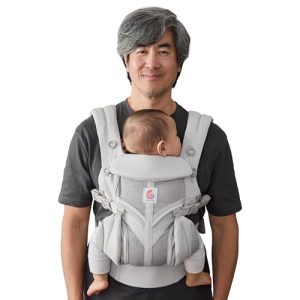
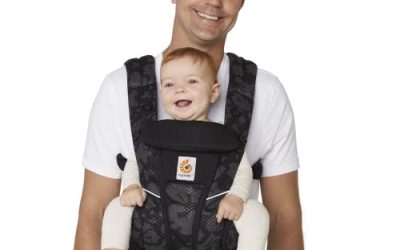
 Ergobaby Omni Classic Baby Carrier for Newborn toCool Air Mesh6.18 x 9.13 x 10.43 inches1.7 poundsCheck on Amazon
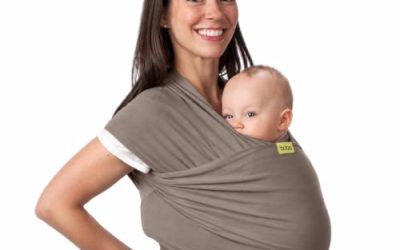
 Moby Baby Wrap Carrier Evolution for Newborns to1 Count (Pack of 1)5.5 x 5.5 x 11.5 inches0.9 poundsCheck on Amazon
 Baby K'tan Original Pre-Wrapped Baby Carrier & WrapMedium (10-14)8.1 x 3.5 x 8.5 inches1.1 poundsCheck on Amazon


A newborn with Down syndrome usually has softer muscle tone than other babies the same age, so the first weeks of carrying come down to one question: does the carrier hold the head and neck steady on its own? A loose seat lets a small head tip forward or sideways, while a panel that is too tall hides the face you need to see. The real decision is the fit on a tiny body — a snug seat, adjustable head support, and a front panel low enough that the nose and mouth stay visible at a glance.
This guide is for parents and grandparents of a newborn with Down syndrome, and for caregivers who carry that baby to appointments and around the house. Each carrier below was picked from its Amazon listing name and listed specifications, with the minimum weight, head support, and seat shape checked first. Ask your pediatrician before carrying a newborn with low tone, and check the fit every time.
Quick Picks
As an Amazon Associate we earn from qualifying purchases.
| Product | Best for | Key spec from title |
|---|---|---|
| Ergobaby Omni 360 Cool Air Mesh | One structured carrier from newborn to toddler with no insert | Fits 7 to 45 lbs |
| BabyBjörn Baby Carrier Mini | A very small newborn who needs a tiny, close fit | Fits 7 to 24 lbs |
| Baby Tula Free-to-Grow | A seat that widens in steps as the baby grows | Fits 7 to 45 lbs |
| Moby Wrap Evolution | A soft wrap that molds around a newborn | Fits 8 to 33 lbs |
| Baby K’tan Original | A slip-on wrap hold with no tying | Fits 7 to 35 lbs |
How to Choose
Head and Neck Support That Works Without Your Hand
Newborns with Down syndrome often have low muscle tone, which means the head can flop forward or to one side in a carrier that is too loose. Look for a head support you can tighten, fold, or raise so the head rests against your chest instead of hanging. A built-in hood or a padded panel that reaches the ears gives steady support on walks, while a support that is too stiff can push the chin down toward the chest. Test the fit at home first: the head should stay upright and centered, and you should not need a free hand to keep it there.
A Minimum Weight That Matches a Small Newborn
Babies with Down syndrome are often born smaller than average, so the minimum weight on the listing matters more than the maximum. A carrier listed from 7 pounds fits most newborns in the first weeks, while one listed from 8 pounds may need a few more weeks of growth before it holds a tiny baby snugly. Check the number in the Specs of each carrier below rather than guessing from the age label, since two carriers marked newborn can start at different weights. If your baby is still under the listed minimum, wait and ask your pediatrician when carrying can start.
A Face You Can See and an Airway You Can Check
A newborn’s nose and mouth must stay visible and uncovered while carried, and that rule matters even more when low tone lets the head slump. Choose a panel that ends below the baby’s chin so you can glance down and see the face without moving fabric, and keep the baby high enough to kiss the top of the head. A wrap or sling that covers the face with extra cloth makes checks harder, so spread the fabric wide and flat instead of bunching it near the cheeks. Before every outing, look at the face, feel for steady breathing, and loosen or re-tie anything that presses near the nose.
A Seat That Keeps Tiny Legs in an M-Shape
The seat should hold the knees higher than the bottom, with the fabric reaching from one knee to the other, so the legs rest in a spread-squat shape often called the M-position. A seat that is too wide over-spreads a small baby’s legs, while a seat that is too narrow lets the legs dangle straight down. Adjustable panels, width settings, and leg straps help you set the seat for a newborn’s short legs, and a wrap lets you shape the seat by hand. Check the seat each time you put the baby in, and reset it after the baby shifts or falls asleep.
The 5 Best Options
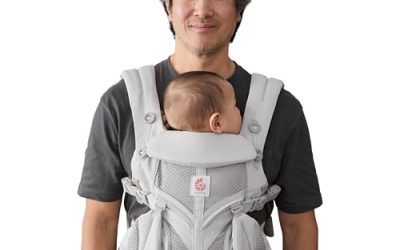
Ergobaby Omni 360 Cool Air Mesh
The Omni 360 Cool Air Mesh suits a newborn with Down syndrome because its adjustable bucket seat starts at 7 pounds with no insert to buy or lose, so the seat can be set narrow for a tiny body and widened as the baby grows. Four carry positions cover facing inward, facing outward, hip, and back, and the mesh body moves air on warm days and long carries. A lumbar support waist belt spreads the weight across your hips, the one-handed slider switches the facing direction, and the hood gives shade and head support for a sleeping baby.
Specs
- Fits babies from 7 to 45 lbs, from newborn to toddler (0 to 48 months)
- Four carry positions: facing inward, facing outward, hip, and back
- Cool Air Mesh fabric for airflow
- Lumbar support with a padded waist belt
- One-handed slider adjustment for switching facing direction
- Hood for sun protection (UPF 50+) and head support
Best for: Families who want one structured carrier from the newborn weeks onward, with a mesh body and no insert.
Watch out for: Check the seat width setting before each carry, since the wide setting can over-spread a small baby’s legs, and practice the facing-direction slider at home first.
BabyBjörn Baby Carrier Mini
The Mini is made for the very youngest babies, and its small, soft body fits a newborn who still needs closeness more than structure. Leg straps narrow the leg openings for babies between 7 and 10 pounds, so even a small newborn sits with the knees up instead of sliding down into the seat. The sturdy, adjustable head support steadies a head that cannot yet hold itself up, and the front panel unzips so you can lift a sleeping baby out without waking the child. It works from 7 to 24 pounds, and the International Hip Dysplasia Institute acknowledges it as a hip-healthy product.
Specs
- Weight range: 7 to 24 pounds
- Height range: 21 to 30 inches
- Leg straps narrow the leg openings for babies 7 to 10 pounds
- Adjustable head support
- Carry positions: facing in and facing out, facing out from 5 months
- Material: 3D Jersey
- Care: machine wash on warm
Best for: Parents of a very small newborn who want a tiny, simple carrier with leg straps sized for the first weeks.
Watch out for: The 24-pound limit and one-year span mean it is a short-use carrier, so check your baby’s weight and growth before ordering.
Baby Tula Free-to-Grow
The Free-to-Grow starts at 7 pounds and keeps going to 45, so a newborn with Down syndrome can stay in the same seat well past the first year. Its panel has three width settings, and the narrowest fits a newborn from 7 pounds, letting you set the fabric knee to knee and widen it as the legs grow. No infant insert is needed at any stage, and the removable hood shades a sleeping baby while giving the head a little extra rest. The cotton body is machine washable, and front and back carries cover the positions a growing baby uses most.
Specs
- Weight range: 7 to 45 pounds
- Age range: newborn to toddler
- Panel width: three adjustable settings
- No infant insert needed
- Removable and adjustable hood
- Material: 100% cotton
- Item weight: 2 pounds
- Carry positions: front and back
Best for: Families who want one carrier from the newborn weeks to toddlerhood, with a seat that widens in steps.
Watch out for: It only offers front and back carries, so there is no hip carry option if that position suits your baby later.
Moby Wrap Evolution
The Moby Wrap Evolution is a long wrap you tie around yourself, and that freedom is its strength for a newborn with low tone. Because the fabric molds to the baby’s body, you can shape the seat by hand until the thighs are supported knee to knee and the knees sit higher than the bottom, then tuck the fabric up behind the head for soft, even support. The lighter viscose and cotton blend feels cooler than a heavy cotton wrap, with extra stretch that forgives small tying mistakes while you learn. It fits babies from 8 to 33 pounds, and a hip carry adds an option as your baby grows.
Specs
- Weight range: 8-33 pounds
- Age range: newborn to toddler
- Fabric: 70 percent viscose, 30 percent cotton
- Fit: one size fits all
- Carry positions: front inward and hip
- Care: machine washable
Best for: Parents who want to shape the seat by hand around a tiny newborn, with a lighter wrap for warm days.
Watch out for: The stretchy cloth needs a snug tie to hold a newborn safely, so re-tighten the wrap after you settle your baby in, and note the 8-pound minimum.
Baby K’tan Original
The Baby K’tan Original is the closest thing to a wrap without any wrapping, and that is why it fits the earliest days at home. It slips on like a shirt in a pre-wrapped double loop, so there is no long fabric to tie while a tiny baby waits in your arms. The cotton fabric stretches one way to cradle the baby close, and the swaddle hold suits newborns who need to feel held and steady. Because the carrier is sized to the wearer, measure yourself against the chart before ordering, and note the listing’s own guidance to ask a healthcare professional before carrying a baby under eight pounds.
Specs
- Weight range: 7 to 35 pounds
- Fabric: 100% cotton
- Pre-wrapped, slip-on double-loop design, no buckles, rings, or belts
- Five positions, including a swaddle hold for preemies and newborns
- Hip-healthy, approved by the International Hip Dysplasia Institute
- Sizes: XXS to XL, sized to the wearer
- Care: machine wash and dryer safe
- Item weight: 1 pound
Best for: Parents who want a wrap-like hold with no tying and the fastest slip-on carry for a tiny baby.
Watch out for: The carrier is sized to the wearer, so check the size chart carefully; the listing advises consulting a healthcare professional for babies under 8 pounds.
Which One Fits Your Situation
Your Newborn Has Very Low Tone and Needs Full Head Support
Choose the BabyBjörn Baby Carrier Mini first, because its sturdy, adjustable head support and small body hold a newborn who cannot yet steady the head. The Ergobaby Omni 360 Cool Air Mesh is the backup if you want the same support in a carrier that lasts to 45 pounds, with a hood that rests behind a sleeping baby’s head.
Your Baby Was Born Small and Is Still Under 10 Pounds
Pick the BabyBjörn Baby Carrier Mini, whose leg straps narrow the seat for babies between 7 and 10 pounds, or the Baby K’tan Original, whose soft double loop cradles a tiny baby close. Skip the Moby Wrap Evolution for now, since it starts at 8 pounds and fits best once your baby has grown a little.
You Want One Carrier That Lasts Past the First Year
Take the Ergobaby Omni 360 Cool Air Mesh or the Baby Tula Free-to-Grow, since both start at 7 pounds and carry to 45 pounds with no insert to buy. The Ergobaby adds hip and outward-facing carries plus mesh airflow, while the Tula keeps the design simpler with three panel width settings and a cotton body.
You Need a Soft Hold for Skin-to-Skin Time at Home
Go with the Baby K’tan Original, which slips on like a shirt and holds the baby against your chest with no buckles or tying, or the Moby Wrap Evolution, whose long cloth molds around the baby for a womb-like hold. Both keep the baby high and visible, so check the face often and keep the fabric spread flat across the back.
Common Mistakes
- Buying a carrier listed from 15 pounds and expecting it to fit a newborn, then finding the seat too wide and the head unsupported.
- Letting the panel rise above the baby’s chin so the face disappears behind fabric and you cannot see the nose and mouth.
- Leaving the seat on its widest setting for a tiny baby, which over-spreads the legs instead of holding them knee to knee.
- Choosing a wrap size or a wearer-sized carrier without checking the size chart, then wearing a fit that is too loose to hold the head steady.
- Skipping the pediatrician check when your newborn has low tone or a heart condition, and carrying before you know which positions fit your baby.
Frequently Asked Questions
Can I carry a newborn with Down syndrome in a carrier?
Yes, many parents do, but the fit matters more than the brand. Choose a carrier listed from 7 pounds with adjustable head support, keep the baby high enough to kiss, and check that the face stays visible. Because low tone and heart conditions vary from baby to baby, ask your pediatrician before the first carry and at each checkup.
What minimum weight should I look for in a carrier?
Look for a carrier listed from 7 pounds, which fits most newborns in the first weeks. Four of the five carriers here start at 7 pounds, while the Moby Wrap Evolution starts at 8 pounds. Check the minimum in the Specs of each listing, since two carriers marked newborn can start at different weights.
Does my newborn need an infant insert?
Not with the carriers in this guide. The Ergobaby Omni 360 Cool Air Mesh and the Baby Tula Free-to-Grow adjust to a newborn without any insert, the BabyBjörn Mini uses leg straps for small babies, and the wraps shape around the baby by hand. If a carrier you own needs an insert, buy the one the maker lists for that model.
When should I talk to the pediatrician about carrying?
Talk to your pediatrician before the first carry if your newborn has low tone, a heart condition, or feeding and breathing concerns, and bring the carrier to an appointment so the fit can be checked. Ask again when your baby outgrows a weight range or starts holding the head up on their own.
FAQ
Can I carry a newborn with Down syndrome in a carrier?
What minimum weight should I look for in a carrier?
Does my newborn need an infant insert?
When should I talk to the pediatrician about carrying?
More from Amazon
Programs that pair well with the guide above. Offers and eligibility are set by Amazon and may change.
Build one list of everything you need for the new arrival and share it with family and friends.
Create a baby registrySet up recurring deliveries of everyday items on eligible products. Terms and savings are set by Amazon.
Explore Subscribe & SaveFree shipping on eligible items, Prime Video and more. Eligible new members can start with a free trial.
Start a Prime free trialAudiobooks and podcasts to listen to on the go. Eligible new members can start with a free trial.
Try Audible freeAs an Amazon Associate we earn from qualifying purchases.