Key takeaways
- Learn how to choose a baby carrier for twins with flat head syndrome: head support, pressure relief, tandem setups, and what to ask your pediatrician.
As an Amazon Associate we earn from qualifying purchases.
Choosing a carrier for twins when one or both babies has a flat spot is a different decision from picking a carrier for twins alone. The real question is not which carrier looks easiest to put on, but which setup lets each baby rest their head without pressing the same flattened area for long stretches, while still keeping both babies safe, upright, and close enough for you to watch their breathing and head position.
This guide is for parents of twins dealing with positional flat head, also called positional plagiocephaly, who want to keep carrying both babies without making the flattening worse. It covers how to judge head support and pressure, how to plan tandem and single-baby carries, and when to bring your pediatrician or a pediatric physical therapist into the decision before you settle on a setup.
How to Choose Step by Step
Start With Your Pediatrician’s Guidance
Before you buy anything, ask your pediatrician or a pediatric physical therapist how your babies’ heads should be positioned during carrying. Flat head varies a lot: a mild flattening on one side calls for different habits than a pronounced flat spot or a head that always turns one way. A clinician can tell you whether repositioning alone is enough, whether supervised tummy time needs to increase, and whether a helmet is being considered. Bring the carrier you already own to the appointment if you can, and ask the clinician to watch each baby in it. Their advice sets the limits for everything that follows, so get it first rather than shopping first and asking later.
Judge Head Support, Not Just Padding
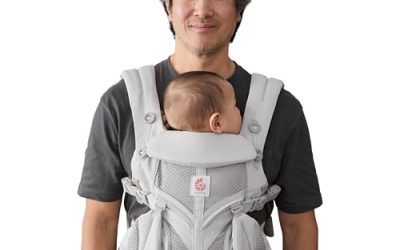
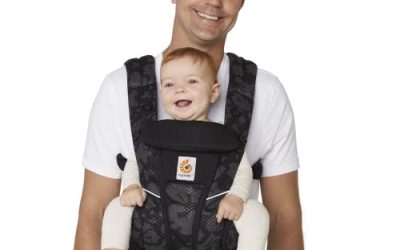
A carrier that claims extra head support is not automatically better for a baby with a flat spot. What matters is whether the fabric holds the head gently in a neutral position without pushing it to one side or pressing the flattened area against a firm edge. Look for a headrest or panel you can fold down, loosen, or adjust, so you can change the contact point instead of locking the head into one spot. Soft, wide panels spread pressure better than narrow straps. Test the carrier with a doll or a rolled towel first, and check whether the head can rest slightly turned in either direction rather than falling into the same tilt every time.
Plan How Each Baby’s Head Gets a Break
Twins in carriers spend long periods in one position, so your routine matters as much as the carrier itself. Alternate which side each baby rides on, and vary the carry: front carry one outing, a different hold the next, and regular breaks out of the carrier for tummy time and free movement. Keep individual carries shorter than you would with a single baby, and check each head every fifteen to twenty minutes for constant pressure on one side. If one twin has a flatter spot than the other, give that baby the setup with the most adjustable head support, and rotate the babies between carriers rather than always putting the same baby in the same one.
Pick a Tandem Setup You Can Adjust Alone
Carrying two babies at once means you need a setup you can tighten, loosen, and check without help, because you will be doing it with a baby already on your body. Two soft-structured carriers, one front and one back, suit many parents of twins, while others prefer one buckle carrier and one wrap so each baby gets a different kind of support. Whichever combination you choose, practice putting it on and taking it off with a partner nearby before you try it alone. Make sure you can reach both babies’ heads to check their position and airway, and that neither carrier pulls the other out of alignment when you move, bend, or sit down.
Which One Fits Your Situation
One Twin Has a Noticeable Flat Spot
Use your most adjustable carrier for the baby with the flatter head. A wrap or a carrier with a fold-down headrest lets you shift the fabric so the flattened area carries less pressure, and you can reposition the head slightly each time you put the baby in. Keep that baby’s carries shorter and alternate the side they rest on, and save longer outings for a stroller or a supervised floor session where the head is free.
Both Twins Have Flattening on the Same Side
When both babies favor the same side, build variety into every carry. Swap which twin rides front and which rides back, and change the direction each head turns by adjusting the panel or offering a different view. Pair carrying with repositioning at home: alternate the ends of the crib, switch feeding arms, and add tummy time in short sessions. Ask your pediatrician whether this pattern needs a referral, since a shared head-turning preference can signal tight neck muscles.
You Carry Both Twins for Long Errands
For long outings, choose the setup that distributes weight best across your shoulders, waist, and back. Two soft-structured carriers with wide waistbands usually beat two wraps, and a front-and-back tandem keeps your hands free. Plan a break halfway through: take both babies out, let them move freely for ten minutes, and reset their positions. If the errand runs longer than expected, switch to the stroller rather than pushing through a carry that has gone slack.
You Mostly Carry One Twin at a Time
If you usually carry one baby while the other rides in a stroller, invest in one excellent adjustable carrier rather than two average ones. A single soft-structured carrier with an adjustable panel and a removable headrest covers most situations, and you can use it for whichever twin needs carrying that day. This also makes it easier to follow your clinician’s advice for each baby individually, since you only have one set of adjustments to learn and check.
Common Mistakes
- Keeping a baby in the carrier for hours without a break, so the same spot on the head takes pressure the whole time.
- Using a stiff headrest that locks the head to one side instead of an adjustable panel that lets you vary the position.
- Always putting the same twin in the same carrier and on the same side, so one baby’s flat spot never gets relief.
- Skipping the pediatrician visit and treating the carrier choice as a substitute for medical advice about flattening.
- Tightening the carrier until the baby’s head is pressed flat against your chest or a firm panel with no room to shift.
Frequently Asked Questions
Can carrying cause flat head syndrome?
Carrying does not cause flat head, which usually develops from long periods lying on one spot, but a carrier can add to the problem if the head rests on the same flattened area for hours. Vary the head position, take regular breaks, and alternate sides and carries. If you notice a flat spot forming or worsening, ask your pediatrician to check it.
Should I stop carrying my twins if one has a flat spot?
You do not usually need to stop carrying, and most clinicians encourage continued carrying with better positioning. Shorten individual carries, change the head position often, and give both babies plenty of supervised tummy time and floor time. Stop and seek advice promptly if a baby seems uncomfortable, cannot turn their head both ways, or the flattening is getting worse despite repositioning.
Is a wrap or a buckle carrier better for flat head?
Neither type is automatically better, because the deciding factor is adjustability rather than the style. A wrap lets you spread fabric and shift pressure points, while a good buckle carrier with a fold-down or adjustable headrest does the same with less setup time. Choose the one you can adjust confidently with a baby already in it, and check the head position each time you put it on.
When should I worry about my twins’ flat head?
Ask your pediatrician if the flattening is pronounced, the head always turns to one side, the ears or forehead look uneven, or repositioning has not helped after several weeks. Early checks matter because a clinician can spot tight neck muscles or other causes and refer you to a pediatric physical therapist. Bring notes about how long each baby spends in the carrier, the stroller, and on their back each day.
FAQ
Can carrying cause flat head syndrome?
Should I stop carrying my twins if one has a flat spot?
Is a wrap or a buckle carrier better for flat head?
When should I worry about my twins’ flat head?
More from Amazon
Programs that pair well with the guide above. Offers and eligibility are set by Amazon and may change.
Build one list of everything you need for the new arrival and share it with family and friends.
Create a baby registrySet up recurring deliveries of everyday items on eligible products. Terms and savings are set by Amazon.
Explore Subscribe & SaveFree shipping on eligible items, Prime Video and more. Eligible new members can start with a free trial.
Start a Prime free trialAudiobooks and podcasts to listen to on the go. Eligible new members can start with a free trial.
Try Audible freeAs an Amazon Associate we earn from qualifying purchases.