Our Top Picks
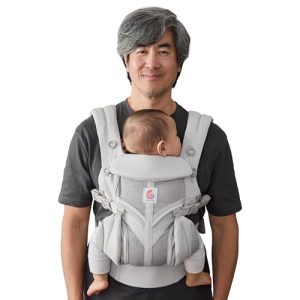
 Ergobaby Omni Classic Baby Carrier for Newborn toCool Air Mesh6.18 x 9.13 x 10.43 inches1.7 poundsCheck on Amazon
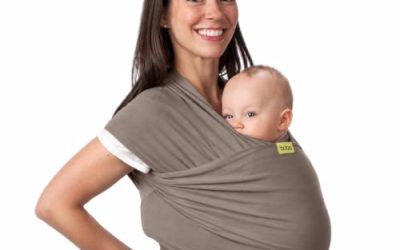
 Moby Baby Wrap Carrier Evolution for Newborns to1 Count (Pack of 1)5.5 x 5.5 x 11.5 inches0.9 poundsCheck on Amazon


A newborn with hip dysplasia needs a carrier that does more than hold the baby close. The real decision is whether the seat keeps the knees higher than the bottom and supports the thighs from knee to knee, because that spread-squat shape, called the M-position, is what keeps a developing hip joint seated correctly. A carrier that lets tiny legs dangle straight down works against the treatment plan, so seat shape and newborn fit matter far more than color, brand, or pockets.
This guide is for parents of a newborn under four months whose hips are being watched or treated, and for grandparents and caregivers who carry that baby at home, on walks, and to checkups. Every carrier below was picked from its Amazon listing name and listed specifications, with attention to the minimum weight, the seat width, head and neck support, and whether an infant insert is needed. Ask your doctor before carrying over a harness or brace, and check the fit each time.
Quick Picks
As an Amazon Associate we earn from qualifying purchases
| Product | Best for | Key spec from title |
|---|---|---|
| Ergobaby Omni 360 Cool Air Mesh | A structured carrier with a mesh body for newborn to toddler | 7 to 45 pounds, newborn to 48 months, no insert |
| BabyBjörn Baby Carrier Mini | A tiny, simple carrier for the first weeks | 7 to 24 pounds, leg straps for 7 to 10 pounds |
| Baby Tula Free-to-Grow | One adjustable seat from newborn to toddler | 7 to 45 pounds, three width settings |
| Moby Wrap Evolution | A light wrap that shapes the seat by hand | 8 to 33 pounds, viscose and cotton blend |
| Ergobaby Omni 360 Classic | A structured carrier that needs no insert | 7 to 45 pounds, newborn to 48 months |
How to Choose
A Minimum Weight That Fits a Real Newborn
Start with the minimum weight on the listing, not the age label, because a newborn with hip dysplasia may be small, light, or still gaining weight after birth. A carrier listed from 7 pounds can take most full-term newborns from the first weeks, while one that starts at 8 pounds may leave you waiting. Check the number against your baby’s last weigh-in, and remember that a brace or harness adds bulk that can change how the baby sits. If your baby is under the listed minimum, wait or ask the doctor what to use instead, since a seat that is too roomy lets the legs slide out of position.
A Seat That Holds the M-Position on a Tiny Body
The M-position means the knees sit higher than the bottom and the thighs spread wide, with the fabric supporting the leg from knee to knee. On a newborn the seat must be narrow enough to fit a small body yet wide enough to reach both knees, which is why adjustable width matters more than a fixed wide base. Look for a seat with width settings, snap adjustments, or fabric you can shape by hand, and check the baby once seated: the knees should point up and out, not hang straight down. If the fabric ends halfway along the thigh, the seat is too narrow for that baby.
Head and Neck Support for a Baby Who Cannot Hold Up Yet
A newborn cannot hold the head steady, so the carrier must support the head and neck without pushing the chin onto the chest. Look for a padded headrest, an adjustable neck support, or a panel that folds up to cradle the head, and make sure the baby’s face stays visible with the nose and mouth clear at all times. The panel should be tall enough to steady the head but short enough that it does not cover the face when the baby falls asleep. Tighten the carrier until the baby sits close enough to kiss, with no slack that lets the head flop to one side.
Room for a Harness or Brace Without Losing the Seat
Many newborns with hip dysplasia wear a Pavlik harness or a brace, and the carrier must fit over it without squeezing the legs together or flattening the seat. A soft wrap or a carrier with a wide, forgiving panel usually adapts better than a stiff, narrow seat, because the fabric can mold around the straps and buckles of the harness. Try the carrier over the harness at home before going out, and check that the knees still sit higher than the bottom. If the fit changes once the harness is on, ask the orthopedist to watch a carry and confirm the position is still right.
The 5 Best Options
Ergobaby Omni 360 Cool Air Mesh
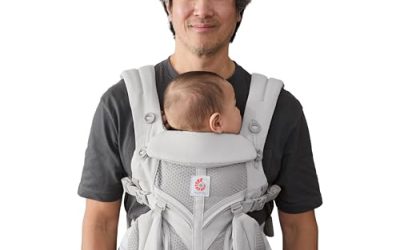
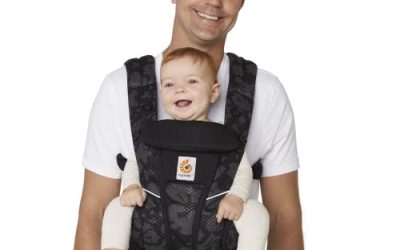
The Omni 360 Cool Air Mesh is the structured carrier to choose when you want one seat that fits a newborn and still fits a toddler, with no insert to buy. Its adjustable bucket seat moves from narrow to wide, so you can set the fabric knee to knee on a tiny baby and widen it as the legs grow, keeping the knees higher than the bottom. Four carry positions cover facing inward, facing outward, hip, and back, and the mesh body moves air on warm days. A lumbar support waist belt spreads the weight across your hips, and it works from 7 pounds.
Specs
- Fits babies from 7 to 45 lbs, from newborn to toddler (0 to 48 months)
- Four carry positions: facing inward, facing outward, hip, and back
- Cool Air Mesh fabric for airflow
- Lumbar support with a padded waist belt
- One-handed slider adjustment for switching facing direction
Best for: Families who want one structured carrier from the newborn weeks onward, with a mesh body and no insert.
Watch out for: Check the seat width setting before each carry, since the wide setting can over-spread a small baby’s legs, and practice the facing-direction slider at home first.
BabyBjörn Baby Carrier Mini
The Mini is built for the very youngest babies, and its small, soft body suits a newborn who still needs closeness more than structure. Leg straps narrow the leg openings for babies between 7 and 10 pounds, so even a small newborn sits with the knees up instead of sliding down. The sturdy, adjustable head support steadies the head, and the front panel unzips so you can lift a sleeping baby out without waking the child. The International Hip Dysplasia Institute acknowledges it as a hip-healthy product, and it works from 7 to 24 pounds.
Specs
- Weight range: 7 to 24 pounds
- Height range: 21 to 30 inches
- Leg straps narrow the leg openings for babies 7 to 10 pounds
- Adjustable head support
- Carry positions: facing in and facing out, facing out from 5 months
- Material: 3D Jersey
- Care: machine wash on warm
Best for: Parents of a very small newborn who want a tiny, simple carrier with leg straps sized for the first weeks.
Watch out for: The 24-pound limit and one-year span mean it is a short-use carrier, so check your baby’s weight and growth before ordering.
Baby Tula Free-to-Grow
The Free-to-Grow is the one carrier here that starts at 7 pounds and keeps going to 45, so a newborn with hip dysplasia can stay in the same seat well past the first year. Its panel has three width settings, and the narrowest fits a newborn from 7 pounds, letting you set the fabric knee to knee and widen it as the legs grow. No infant insert is needed at any stage, and the removable hood shades a sleeping baby. The cotton body is machine washable, and front and back carries cover the positions a growing baby uses.
Specs
- Weight range: 7 to 45 pounds
- Age range: newborn to toddler
- Panel width: three adjustable settings
- No infant insert needed
- Removable and adjustable hood
- Material: 100% cotton
- Item weight: 2 pounds
- Carry positions: front and back
Best for: Families who want one carrier from the newborn weeks to toddlerhood, with a seat that widens in steps.
Watch out for: It only offers front and back carries, so there is no hip carry option if that position suits your baby later.
Moby Wrap Evolution
The Moby Wrap Evolution is a long wrap you tie around yourself, and that freedom is its strength for a newborn with hip dysplasia. Because the fabric molds to the baby’s body, you can shape the seat by hand until the thighs are supported knee to knee and the knees sit higher than the bottom. The lighter viscose and cotton blend feels cooler than a heavy cotton wrap, with extra stretch that forgives small tying mistakes while you learn. It fits babies from 8 to 33 pounds, and a hip carry adds an option as your baby grows.
Specs
- Weight range: 8-33 pounds
- Age range: newborn to toddler
- Fabric: 70 percent viscose, 30 percent cotton
- Fit: one size fits all
- Carry positions: front inward and hip
- Care: machine washable
Best for: Parents who want to shape the seat by hand around a tiny newborn, with a lighter wrap for warm days.
Watch out for: The stretchy cloth needs a snug tie to hold a newborn safely, so re-tighten the wrap after you settle your baby in.
Ergobaby Omni 360 Classic
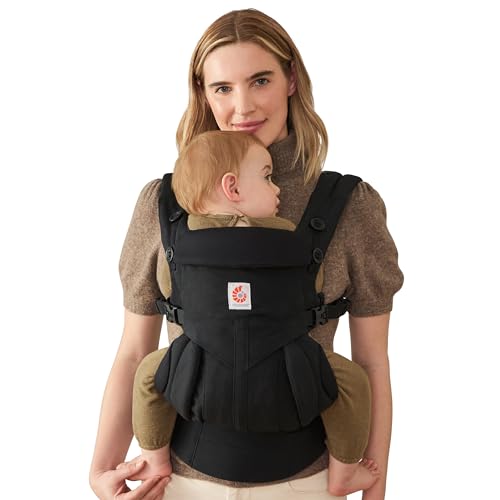
The Omni 360 Classic is the structured choice for a newborn with hip dysplasia, because its seat adjusts from newborn to toddler without a separate insert to buy or lose. The four carry positions cover front inward, front outward, hip, and back, so the carry can change as the baby grows and the doctor’s guidance changes. A lumbar support pad takes the weight onto your hips, and the cotton body is machine washable after the inevitable spit-up. It carries from 7 to 45 pounds, covering the newborn months through 48 months.
Specs
- Weight range: 7 to 45 pounds
- Age range: newborn to 48 months
- Four carry positions: front inward, front outward, hip and back
- Lumbar support pad included
- Material: 100% premium cotton
- Item weight: 1.7 pounds
- Care: machine wash
Best for: Families who want one structured carrier from the newborn weeks onward, with no insert and four carry positions.
Watch out for: The chest clip sits between the shoulder blades, so get help with the first few fittings until the reach feels natural.
Which One Fits Your Situation
Your Baby Is Under 10 Pounds and Still Tiny
Pick the BabyBjörn Baby Carrier Mini or the Moby Wrap Evolution. The Mini has leg straps that narrow the openings for babies between 7 and 10 pounds, while the wrap lets you shape the seat by hand around a tiny body from 8 pounds. Both keep the knees up from the first weeks, so choose the Mini for buckles and the wrap for the closest hold.
Your Baby Wears a Harness or Brace
Pick the Moby Wrap Evolution or the Ergobaby Omni 360 Cool Air Mesh. The wrap molds around the straps and buckles of a harness without squeezing the legs together, and the mesh carrier has an adjustable bucket seat that forgives extra bulk. Check the knees still sit higher than the bottom once the harness is on, and ask the orthopedist to watch a carry before you rely on it daily.
You Want One Carrier From Newborn to Toddler
Pick the Baby Tula Free-to-Grow or the Ergobaby Omni 360 Classic. Both start at 7 pounds, reach 45 pounds, and need no infant insert, so the same carrier covers the newborn months and beyond. The Tula adjusts its panel in three width steps, while the Omni 360 adds hip and back carries, so choose the Tula for a lighter cotton body and the Omni 360 for more positions.
You Carry All Day and Need Your Hands Free
Pick the Moby Wrap Evolution or the Ergobaby Omni 360 Classic. The wrap is light and spreads the weight across both shoulders, which suits short carries and fussy afternoons at home. The Omni 360 Classic spreads the weight with a lumbar support pad for longer days, so choose the wrap for quick trips and the Omni 360 when you will be out for hours.
Common Mistakes
- Letting tiny legs dangle straight down instead of checking that the knees sit higher than the bottom.
- Starting a carrier before the baby reaches its listed minimum weight.
- Facing a newborn outward before the baby has steady head control and the doctor has cleared it.
- Carrying over a harness or brace without checking that the seat still holds the M-position.
- Choosing a carrier that needs an infant insert and then using it without the insert in place.
Frequently Asked Questions
Can a newborn with hip dysplasia be carried in a carrier?
Yes, in most cases, as long as the carrier holds the knees higher than the bottom and supports the thighs knee to knee. Carriers that start at 7 pounds and need no insert suit most full-term newborns. Always ask your orthopedist first, especially if the baby wears a harness or brace, and stop carrying if the baby seems uncomfortable.
What is the M-position and why does it matter for a newborn?
The M-position means the bottom sits lowest, the knees sit higher than the bottom, and the thighs spread like the letter M. It matters because this shape keeps the hip joint centered in the socket while the joint is still developing. A carrier that holds this shape supports healthy hips, while a narrow seat lets the legs hang straight and pulls the joint out of line.
Does my newborn need an infant insert?
Not with the carriers in this guide, since each one works from 7 or 8 pounds without a separate insert. Inserts matter for carriers that start at a higher weight or have a seat too wide for a newborn. If you already own a carrier that needs one, use the insert the maker sells for that model, and check that the knees still sit higher than the bottom.
When should I stop carrying and talk to the doctor?
Stop and call the doctor if the baby cries in the carrier in a way that seems tied to the hips, if one leg looks shorter or moves less than the other, or if the carrier no longer fits over a harness or brace. Also check in before switching to a back carry or a facing-out carry. A call beats guessing, and the doctor can confirm the fit is safe.
FAQ
Can a newborn with hip dysplasia be carried in a carrier?
What is the M-position and why does it matter for a newborn?
Does my newborn need an infant insert?
When should I stop carrying and talk to the doctor?
More from Amazon
Programs that pair well with the guide above. Offers and eligibility are set by Amazon and may change.
Build one list of everything you need for the new arrival and share it with family and friends.
Create a baby registrySet up recurring deliveries of everyday items on eligible products. Terms and savings are set by Amazon.
Explore Subscribe & SaveFree shipping on eligible items, Prime Video and more. Eligible new members can start with a free trial.
Start a Prime free trialAudiobooks and podcasts to listen to on the go. Eligible new members can start with a free trial.
Try Audible freeAs an Amazon Associate we earn from qualifying purchases.