Our Top Picks
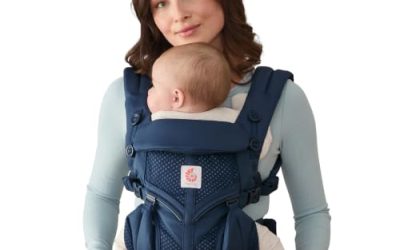
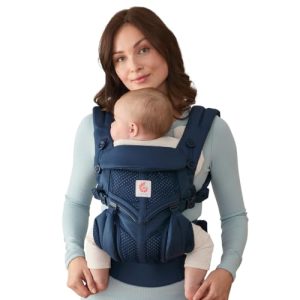
 Ergobaby Omni Classic Baby Carrier for Newborn toPremium Cotton6.18 x 9.13 x 10.43 inches1.7 poundsCheck on Amazon
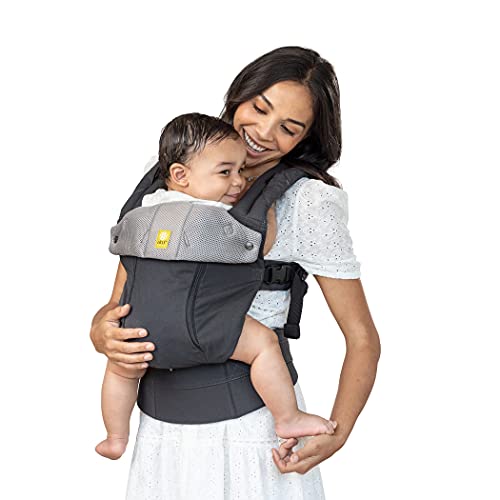 LÍLLÉbaby Complete All Seasons Ergonomic 6-in-1 Baby CarrierAdjustable, One Size1.1 poundsCheck on Amazon
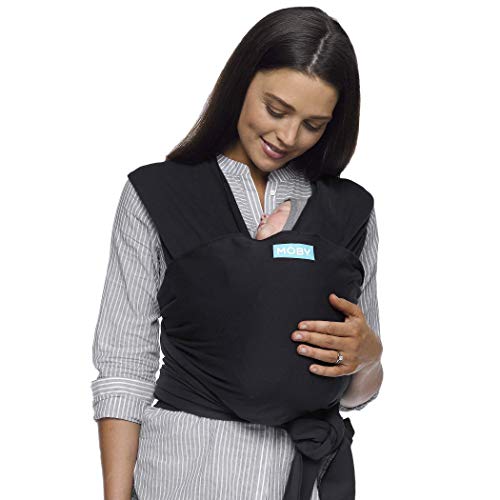 Moby Baby Wrap Carrier Classic for Newborns to1 Count (Pack of 1)5.5 x 5.5 x 11.5 inches1.3 poundsCheck on Amazon


When your baby cries for hours every evening and nothing seems to help, the carrier you choose stops being a convenience and becomes a coping tool. The real decision is not which brand looks best, but which carrier holds your baby upright, snug against your chest, with knees tucked up and tummy pressed close, because that held, slightly upright position combined with your movement is what many parents lean on during long crying spells. A carrier that is fiddly to put on or leaves your baby slumped will sit unused exactly when you need it most.
This guide is for parents of newborns and young infants who cry inconsolably in the evenings, first-time wearers who want something simple to put on one-handed, and caregivers sharing one carrier between two adults. Every carrier below was picked from its name and listed specifications on Amazon, so you can check the weight range, fabric, and carry positions for yourself before deciding.
Quick Picks
As an Amazon Associate we earn from qualifying purchases.
| Product | Best for | Key spec from title |
|---|---|---|
| Ergobaby Omni 360 | All-day soothing from newborn to toddler | 7-45 lbs, 4-position, newborn ready |
| Tula Free-to-Grow | Quick buckle-on comfort with no insert | 7-45 lbs, adjustable, front and back carry |
| Lillebaby Complete All Seasons | Long carries in changing temperatures | 7-45 lbs, 6-in-1, zip-down mesh panel |
| BabyBjorn Baby Carrier Harmony | A cool, soft hold for warm babies | 7-40 lbs, 3D mesh, newborn to toddler |
| Moby Wrap Classic | The closest snuggle for newborns | 8-33 lbs, 100% cotton, one size fits all |
How to Choose
Upright, Tummy-to-Tummy Positioning
Colic crying often eases when a baby is held upright with their tummy pressed against your chest, so the first thing to check is whether a carrier keeps your baby in that position without sagging. Look for a deep seat and a panel tall enough to support your baby’s back up to the shoulder blades, plus a waistbelt that sits high enough to lift the seat rather than letting it hang low. A structured carrier with a firm waistbelt does this well, and so does a well-tied wrap, because the fabric pulls your baby in close across the whole torso.
A Seat That Supports the M-Position
The M-position means your baby’s knees sit higher than their bottom, with thighs supported all the way to the knee, and it matters most for a colicky newborn who spends hours in the carrier. Check the listing for an adjustable seat width that can be narrowed for a small baby and widened as they grow, since a seat that is too wide will not support a newborn’s legs, and one that is too narrow leaves them dangling. A carrier that grows with your baby keeps that supported, knees-up hold snug for months instead of weeks.
Fabric That Stays Cool and Soft Against Skin
A colicky baby may spend an hour or more pressed against you, so fabric that traps heat will make you both sweaty and miserable before the crying even slows. Look for breathable cotton or open mesh panels in the listing, and check whether the carrier has a panel that unzips or folds down to let air through on warm evenings. Soft fabric also matters, because a stiff panel can rub a newborn’s cheek and chin raw during a long hold, while a smooth, flexible fabric lets your baby rest their head against you comfortably.
Adjustability for Two Caregivers and a Growing Baby
Colic is a team effort, and the carrier will likely pass between two adults several times a day, so it needs to adjust quickly without tools or extra parts. Look for sliding buckles, an adjustable panel, and a waistbelt with a wide range, and confirm the listing states no infant insert is needed if you want the simplest possible hand-off. A carrier that one person can tighten and loosen in seconds gets used far more often than one that needs rethreading every time it changes hands.
The 5 Best Options
Ergobaby Omni 360
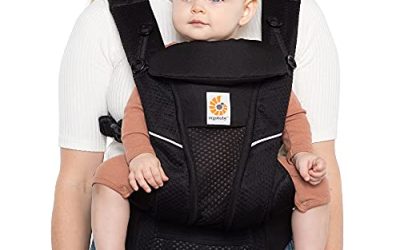
The Omni 360 suits parents who want one carrier that covers the whole colic season and beyond, from the first weeks through toddlerhood. Its structured waistbelt and padded shoulder straps spread the weight across your hips and shoulders, which matters when you are pacing the hallway for an hour at a time. The seat adjusts as your baby grows, so the upright, knees-up hold stays snug rather than loosening as your baby gains weight. Four carry positions give you options when your baby fusses in one hold but settles in another, and the newborn-ready design means no extra insert to buy or fumble with in the dark.
Specs
- Weight range: 7-45 lbs
- Fits newborn to toddler, 0-48 months
- 4 carry positions: front inward, front outward, hip, and back
- 100% premium cotton
- Lumbar support waistbelt
Best for: Parents who want one carrier from the newborn weeks through toddlerhood.
Watch out for: Check the fit on your own frame first, since the padded straps and wide waistbelt feel bulky on very petite wearers.
Tula Free-to-Grow
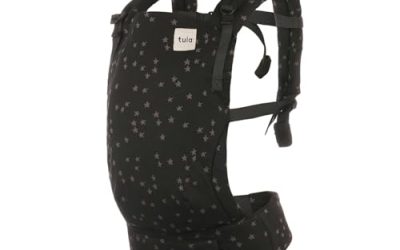
The Free-to-Grow fits parents who want a simple buckle carrier with no infant insert and an easy on-off routine during evening crying spells. The panel adjusts in width and height, so you can widen the seat as your baby grows and keep the knees-up position that helps a gassy baby settle. Front and back carry cover the positions most useful for soothing, and the cotton fabric feels soft against a bare chest or a thin sleep sack. Because the fit adjusts without extra parts, it also passes easily between two caregivers of different sizes, which helps when you take turns walking a crying baby.
Specs
- Weight range: 7-45 lbs
- Newborn to toddler, no infant insert needed
- Front and back carry positions
- Adjustable panel width and height
- Cotton fabric
Best for: Parents who want a no-fuss buckle carrier that adjusts fast between two caregivers.
Watch out for: There is no outward-facing position, so confirm you are happy with inward-facing and back carry only.
Lillebaby Complete All Seasons
The Complete All Seasons suits parents who carry a colicky baby for long stretches and want temperature control built in. The zip-down front panel reveals breathable mesh when your baby runs warm, then zips closed for warmth, so one carrier handles a heated living room and a cool evening walk. Six carry positions include a front fetal position for tiny newborns, which keeps a small baby curled and close. Lumbar support and a wide waistbelt take pressure off your lower back during long soothing sessions, and the removable sleeping hood supports a dozing baby’s head.
Specs
- Weight range: 7-45 lbs
- 6 carry positions, including front fetal and hip carry
- Zip-down front panel reveals breathable mesh
- Cotton, machine washable
- Lumbar support and removable sleeping hood
Best for: Long soothing sessions where your baby’s temperature swings between rooms and outdoors.
Watch out for: It is heavier and bulkier than a wrap, so it takes up more room in a diaper bag.
BabyBjorn Baby Carrier Harmony
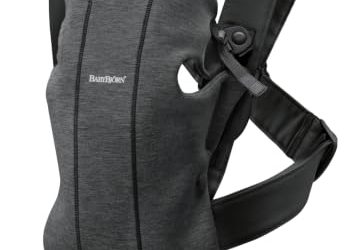
The Harmony fits parents who want a soft, lightweight carrier that feels gentle against a newborn’s skin during long evening holds. Its 3D mesh moves air through the panel, so both you and your baby stay cooler while you walk and bounce through a crying spell. The carrier adjusts from newborn to toddler without an infant insert, and the padded shoulder straps plus a pressure-relieving waist belt spread the load when your arms are tired. Four carry positions cover the inward-facing hold most colicky babies prefer, with outward-facing and back carry ready as your baby grows.
Specs
- Weight range: 7-40 lbs
- 3D mesh, 100% polyester
- 4 carry positions: newborn, facing in, facing out, and back
- Padded shoulder straps
- Pressure-relieving waist belt
- Adjustable head support
Best for: Parents whose baby overheats easily or who live in a warm home.
Watch out for: The 40 lb upper limit is lower than some structured carriers, so check it against your toddler’s weight if you plan to carry for years.
Moby Wrap Classic
The Moby Wrap Classic suits parents of newborns who want the closest, snuggest hold possible during the worst weeks of colic. The long stretch of soft cotton wraps around you both, pulling your baby’s tummy against your chest and spreading their weight evenly across your back and hips. That womb-like closeness, combined with your walking and swaying, is the combination many parents credit with calming evening crying. It takes a few practice runs to tie confidently, but once the wrap is on, it stays comfortable for long stretches and folds down small in a diaper bag.
Specs
- Weight range: 8-33 lbs
- 100% cotton
- One size fits all
- Front inward and hip carrying positions
- Soft, breathable fabric with stretch
Best for: Newborns in the first months who settle best held tight against a parent’s chest.
Watch out for: Practice tying it a few times before the first crying spell, since learning under pressure is frustrating.
Which One Fits Your Situation
Your Newborn Cries Hardest in the Evening
Pick the Moby Wrap Classic if your baby is still tiny and settles only when held tight against you, since the wrap gives the closest, most womb-like hold of any option here. Choose the Ergobaby Omni 360 instead if you want that same snug upright hold with buckles and a waistbelt, so you can get your baby in and out quickly between crying spells without retying fabric.
Two Caregivers Share One Carrier
Pick the Tula Free-to-Grow when you and your partner take turns walking a crying baby, because the adjustable panel and waistbelt resize in seconds with no extra insert to swap. The Lillebaby Complete All Seasons is the other strong choice here, since its wide waistbelt range and two-way straps adapt to very different body sizes without rethreading.
Your Baby Overheats Easily
Pick the BabyBjorn Baby Carrier Harmony when your baby gets sweaty fast, since its 3D mesh panel moves air through the carrier during long walks around the house. The Lillebaby Complete All Seasons works too, because its zip-down panel reveals breathable mesh when your baby runs warm and closes again for cooler rooms.
You Want One Carrier from Newborn to Toddler
Pick the Ergobaby Omni 360 when you want a single carrier that starts newborn-ready and still fits a toddler, with four positions to match each stage. The Lillebaby Complete All Seasons is the other long-haul option, with a 7-45 lb range, six positions, and a seat that folds narrow for newborns and expands wide for toddlers.
Common Mistakes
- Buying a carrier your baby is still too small for, so the panel swallows them and the upright hold collapses.
- Letting the seat stay too narrow, so your baby’s legs dangle straight down instead of resting in a knees-up position.
- Picking heavy, non-breathable fabric for a baby who runs warm, then quitting the carrier because you both overheat.
- Wearing the waistbelt too low on your hips, which drags the seat down and puts the weight on your shoulders.
- Waiting until the crying starts to learn how to put the carrier on, then struggling with buckles and straps while your baby screams.
Frequently Asked Questions
Can a baby carrier actually help with colic?
A carrier can help many babies settle, because the upright, tummy-to-tummy hold and your movement mimic being held and rocked, which often calms crying. It is not a cure, though, and it will not stop every crying spell. Think of it as one soothing tool alongside feeding, burping, and a calm, dark room.
What carry position is best for a colicky baby?
Front inward, tummy to tummy, is the position most parents reach for during colic, because it keeps your baby upright with their knees tucked up and their belly pressed against you. Keep the seat deep enough that their knees sit higher than their bottom, and check that their chin stays off their chest so their airway stays open.
How long can my baby stay in a carrier during a crying spell?
Most babies can stay in a well-fitted carrier for an hour or so while you walk and soothe them, but take your baby out regularly to check their temperature, breathing, and comfort. If your baby feels sweaty or overheated, loosen the carrier or switch to a mesh panel, and always keep their face visible and uncovered.
When should I talk to a doctor about my baby’s crying?
Talk to your pediatrician if your baby cries for more than three hours a day, several days a week, or if the crying comes with poor feeding, vomiting, fever, or a swollen belly. A doctor can check for reflux, milk sensitivity, or other causes that a carrier alone will not fix, and can tell you whether the crying still fits the usual pattern of colic.
FAQ
Can a baby carrier actually help with colic?
What carry position is best for a colicky baby?
How long can my baby stay in a carrier during a crying spell?
When should I talk to a doctor about my baby’s crying?
More from Amazon
Programs that pair well with the guide above. Offers and eligibility are set by Amazon and may change.
Build one list of everything you need for the new arrival and share it with family and friends.
Create a baby registrySet up recurring deliveries of everyday items on eligible products. Terms and savings are set by Amazon.
Explore Subscribe & SaveFree shipping on eligible items, Prime Video and more. Eligible new members can start with a free trial.
Start a Prime free trialAudiobooks and podcasts to listen to on the go. Eligible new members can start with a free trial.
Try Audible freeAs an Amazon Associate we earn from qualifying purchases.