Key takeaways
- How to choose a baby carrier for a premature baby: minimum weight limits, airway safety, carrier types for tiny babies, and when to ask your doctor.
As an Amazon Associate we earn from qualifying purchases.
Carrying a premature baby feels different from carrying a full-term newborn, because the decision is not really about convenience. A baby born early often comes home smaller, lighter, and still catching up on breathing, temperature control, and muscle strength, so the carrier has to protect all of that at once. The wrong fit can press a tiny chin toward the chest or let a small body slump, and those details matter far more than color, brand, or how quickly the carrier clips on.
This guide is for parents bringing a preemie home from the neonatal unit, parents whose baby still weighs less than the minimum on most carrier boxes, and grandparents or caregivers who want to help without guessing. It walks through the weight limits, the airway rules, and the carrier styles that adjust small enough for a tiny baby, so you can choose with confidence and know exactly when to wait, what to check during every carry, or ask your pediatrician first.
How to Choose
Start With Your Doctor and the Weight Minimum
Before you buy anything, ask your pediatrician or neonatal team whether your baby is ready to be carried, because the answer depends on more than age. Most soft structured carriers list a minimum weight of seven or eight pounds, and many premature babies come home below that line, which means the carrier cannot hold them securely even if it looks small. Your doctor will consider breathing, oxygen needs, reflux, and how well your baby holds their head, and that guidance matters more than any label on a box. If your baby still needs monitoring or oxygen support, wait until the care team clears carrying, then choose a carrier whose stated minimum your baby has already reached.
Protect the Airway First
Premature babies are more vulnerable to breathing problems than full-term babies, so airway safety comes before every other feature. Keep your baby high enough to kiss, with the face visible at all times and the chin lifted away from the chest, because a tucked chin can narrow a tiny airway. No fabric should cover the nose or mouth, and you should be able to see your baby breathing without unwrapping anything. Check the position every few minutes at first, especially while walking or sitting down, since small shifts in fabric can change how your baby sits. If your baby seems unusually quiet, pale, or hard to rouse, take them out of the carrier and seek medical advice.
Get the Fit Right for a Tiny Body
A premature baby needs the same hip-healthy position as any newborn, but on a much smaller scale. The knees should sit higher than the bottom in an M shape, with the seat fabric supporting your baby from one knee to the other instead of letting the legs dangle. The panel should reach only to the armpits, never over the head, so the face stays visible and the back keeps its curve. Tighten the carrier in small steps, checking that the fabric is snug without pressing on the chest or belly, and recheck the fit after a few minutes because stretchy fabric relaxes as it warms. If the smallest setting still leaves gaps, the carrier is too big for now.
Pick a Carrier Type That Adjusts Small Enough
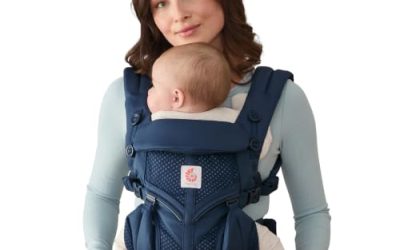
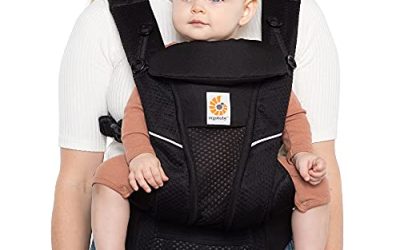
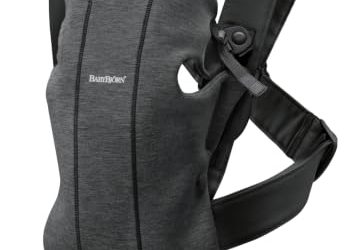
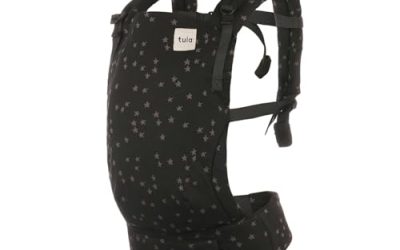
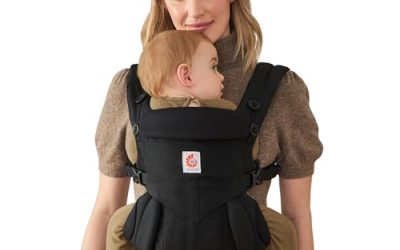
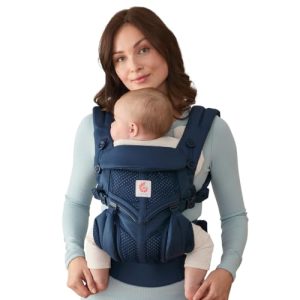
Not every carrier style shrinks far enough for a premature baby, so the type matters as much as the brand. A stretchy wrap is often the easiest starting point, because the fabric molds around a tiny body and lets you adjust the width and tightness in small amounts without buckles or preset settings. A ring sling can work well too, since the rings let you tighten the seat, although it takes practice to spread the fabric evenly. A soft structured carrier with an infant insert or an adjustable panel suits many families once the baby reaches the stated minimum weight. Whichever style you choose, confirm the minimum weight and practice with a doll or a rolled towel first.
Which One Fits Your Situation
Your Baby Is Still Under Seven Pounds
Until your baby reaches the carrier minimum, a stretchy wrap is usually the safest way to carry, because it adjusts down to a very small body and keeps your baby close against your chest. Use it for short, calm sessions at home while you watch breathing and color, and stop if your baby seems uncomfortable. Keep the wrap to a single snug layer over the face area and never cover the nose or mouth.
You Want Skin-to-Skin Time at Home
A stretchy wrap also works best for skin-to-skin time, since it holds your baby bare-chested against you with gentle, even pressure that supports warmth and calm. Dress yourself in a front-opening top and keep the wrap snug enough that your baby stays high on your chest without sliding. Sessions of twenty to thirty minutes are a good place to start, and you can build up slowly as your baby grows stronger and steadier.
You Need Hands Free for Appointments and Errands
Once your baby meets the minimum weight, a soft structured carrier with an adjustable panel or infant insert gives you steady hands-free support for clinic visits and short errands. The buckles make it quick to put on in a parking lot, and the padded waistband spreads the weight so your shoulders stay comfortable. Keep trips short at first, check the airway position before you head inside, and bring the wrap as a backup in case your baby fusses.
Your Baby Has Grown Past the Newborn Stage
When your baby passes the newborn stage and gains steadier head control, a soft structured carrier becomes the everyday choice, because it distributes weight better for longer carries and adjusts as your baby grows. You can keep using the wrap for naps and quiet time at home, but the structured carrier handles walks, chores, and outings more comfortably. Recheck the seat width as your baby grows so the knees stay supported and the panel still ends at the armpits.
Common Mistakes
- Starting to carry before your doctor clears it, especially if your baby still needs oxygen or regular monitoring, or while your baby is still in the neonatal unit.
- Letting the chin tuck toward the chest or fabric drift over the nose and mouth during the carry, which can narrow a tiny airway.
- Using a carrier whose minimum weight your baby has not reached yet, even if the straps adjust small or a preset panel size looks close.
- Spreading the legs too wide for a tiny body, so the knees drop below the bottom instead of resting higher, with no fabric bunched under the knees.
- Dressing your baby too warmly inside the carrier, since a premature baby can overheat quickly under extra layers or a thick blanket inside the carrier.
Frequently Asked Questions
When can I start carrying my premature baby?
Most parents can start once the neonatal team or pediatrician clears carrying and the baby meets the carrier minimum weight, often around seven pounds. Babies still on oxygen, monitors, or tube feeding usually need to wait longer. Short, supervised sessions at home are the safest way to begin, with the face always visible and the airway clear, and keep the first carries brief.
What is the minimum weight for a baby carrier?
Most soft structured carriers list a minimum of seven or eight pounds, while many stretchy wraps accept babies from five pounds. Always check the label for your exact carrier, because limits vary by brand and style, and never assume two carriers share the same limit. If your baby weighs less than the stated minimum, wait until they reach it, even if the carrier feels like it fits.
Is a stretchy wrap safe for a premature baby?
Yes, once your doctor clears carrying, a stretchy wrap is often the safest option for a very small baby, because the fabric adjusts to the body without preset sizes or buckles. Keep the wrap snug, the face visible, and the chin off the chest. Practice the tie a few times first, and check the position often during the first carries, until your baby shows steady breathing and good color.
Can I carry my premature baby facing outward?
No, not until your baby is much older and has strong head and trunk control, usually around five to six months adjusted age. Facing outward makes it harder to watch the airway and breathing, and it can overstimulate a baby who is still catching up. Keep your baby facing inward, high on your chest, for the first months, and watch for signs of overstimulation such as fussiness or turning away.
FAQ
When can I start carrying my premature baby?
What is the minimum weight for a baby carrier?
Is a stretchy wrap safe for a premature baby?
Can I carry my premature baby facing outward?
More from Amazon
Programs that pair well with the guide above. Offers and eligibility are set by Amazon and may change.
Build one list of everything you need for the new arrival and share it with family and friends.
Create a baby registrySet up recurring deliveries of everyday items on eligible products. Terms and savings are set by Amazon.
Explore Subscribe & SaveFree shipping on eligible items, Prime Video and more. Eligible new members can start with a free trial.
Start a Prime free trialAudiobooks and podcasts to listen to on the go. Eligible new members can start with a free trial.
Try Audible freeAs an Amazon Associate we earn from qualifying purchases.