Key takeaways
- Grandparents need a carrier that is easy to buckle, gentle on the back, and safe for baby. This guide covers fit, comfort, and simple features to look for.
As an Amazon Associate we earn from qualifying purchases.
Grandparents love holding their grandchildren close, and a good baby carrier lets them do that while keeping both hands free for a door, a stroller, or a cup of tea. The real decision is not which carrier looks nicest in photos, but which one a grandparent can put on alone, adjust without a struggle, and wear for an hour without aching shoulders or a sore lower back. A carrier that is too fiddly will sit in a closet, no matter how well it is made.
This guide is for grandparents who want a carrier of their own, and for parents choosing one as a gift for grandma or grandpa. It walks through the features that matter most for older bodies and shorter outings, from simple buckles and padded straps to weight limits and safe positioning. The advice focuses on comfort, safety, and ease of use, so the carrier gets worn often instead of gathering dust. Try each tip at home first, and keep the carrier somewhere easy to reach.
How to Choose a Carrier Grandparents Will Actually Use
Start With Easy Buckles and Simple Adjustments
The best carrier for a grandparent is the one they can manage without asking for help. Look for wide, clearly shaped buckles that click shut with a firm squeeze and open with one hand, plus straps that slide smoothly instead of sticking. Magnetic buckles can help, but only if the grandparent finds them intuitive after one practice try. Avoid carriers with long tails of webbing, hidden chest clips, or tiny adjusters that need strong fingers. Before buying, have the grandparent practice putting the carrier on and taking it off three times in a row. If the third try still feels confusing, that carrier is not the right match, and a simpler design will serve them better.
Protect Aging Backs, Shoulders, and Knees
Carrying a baby shifts weight forward, so a carrier must spread that load across the strongest parts of the body. A wide, padded waist belt sits on the hips and takes much of the weight off the shoulders, while broad, cushioned shoulder straps stop the carrier from digging in. A sliding chest strap keeps the straps from slipping off narrow shoulders. Grandparents with arthritis, a past back injury, or weak grip should consider a hip seat style, which lets the baby rest on a firm shelf while the waist belt carries most of the weight. Try it at home with a bag of flour first, and walk around for fifteen minutes to see where it presses.
Match the Carrier to the Baby’s Age and Size
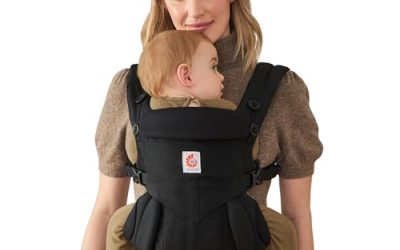
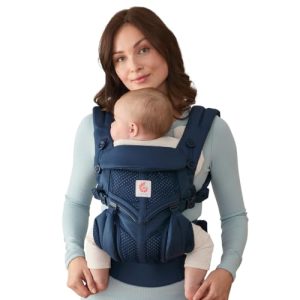
A newborn needs a carrier that holds them high, snug, and close enough to kiss, with chin off chest and knees higher than bottom. A small infant fits best in a soft wrap or a structured carrier with an infant insert, while a baby who can sit up often prefers a hip seat. Always check the weight range, and confirm that the seat panel is wide enough to support the baby from one knee to the other. A panel that is too narrow leaves little legs dangling, while one that is too wide pushes them into an uncomfortable split. As the baby grows, the carrier should still adjust easily, so grandparents are not wrestling with straps every few weeks.
Check Safety and Comfort Before Every Outing
A safe carry starts with a quick routine that becomes second nature. First, make sure the baby’s face is visible and uncovered, with their nose and mouth free to breathe. Second, tighten the waist belt so it stays level and snug, then snug the shoulder straps until the baby rests high on the chest. Third, check there is space between the baby’s chin and chest, and glance at their knees to see they sit higher than their bottom. Grandparents should wear sensible shoes and keep one hand free on stairs or uneven ground. If anything feels loose or painful, stop and readjust before continuing, because a comfortable carrier should never hurt the wearer or the baby.
Which One Fits Your Situation
Short Visits and Quick Errands
For a short visit or a walk around the block, a ring sling or a simple hip seat works well. Both go on in under a minute and come off just as fast when the baby wants down. The ring sling suits a small baby who likes to snuggle close, while the hip seat suits a heavier toddler who wants to look around. Keep the outing brief, and switch to a stroller without fuss if the baby grows heavy.
All-Day Outings and Family Gatherings
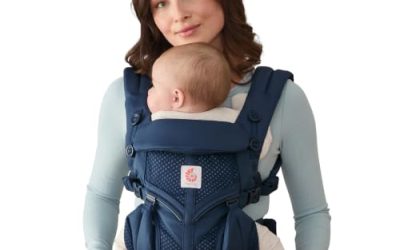
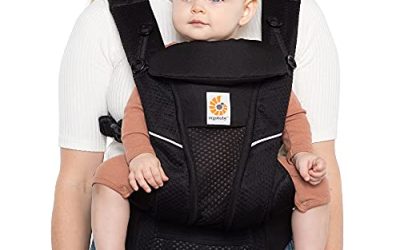
A long day calls for a soft structured carrier with a padded waist belt and two shoulder straps, since it spreads the baby’s weight evenly and leaves both hands free. Choose breathable fabric so neither grandparent nor baby overheats, and a pocket for a phone and keys. Take the baby out every hour or so for a stretch, a cuddle, and a change of scenery. A well-fitted structured carrier turns a tiring day into a comfortable one.
A Grandparent With Back or Shoulder Pain
When pain is part of daily life, a hip seat carrier is often the kindest choice, because its firm shelf carries the baby’s weight on the hips. Look for a thick waist belt, a wide seat, and an optional shoulder strap for extra stability. Keep carries short at first, and build up slowly at home while noting how the back feels the next morning. If pain flares, stop, rest, and ask the parents about a lighter carrier or a stroller.
Sharing One Carrier Between Grandparents and Parents
Families often share a single carrier, so pick one with quick adjustments for very different body shapes. A soft structured carrier with sliding chest straps and clearly marked adjusters lets grandma, grandpa, mum, and dad each find their fit in seconds. Keep a small card in the pocket noting each person’s strap settings, which saves time and fumbling at the door. If the size gap is very large, a second, simpler carrier for the grandparents may be worth it.
Common Mistakes
- Buying the same carrier the parents use without first checking whether the grandparents can buckle and adjust it alone.
- Choosing a carrier with thin straps and no waist belt, which puts all of the baby’s weight on aging shoulders and a tired back.
- Skipping the practice run at home and discovering the clips are confusing during the first real outing.
- Ignoring the weight range, so a small newborn sits too low or a heavy toddler overwhelms the carrier and the wearer.
- Forgetting to check the baby’s breathing space, chin position, and knee height before setting off.
Frequently Asked Questions
What type of baby carrier is easiest for grandparents?
A soft structured carrier with big buckles and a padded waist belt is usually easiest, because it goes on like a backpack and adjusts with simple slides. A hip seat carrier is a close second for toddlers, since the baby sits on a firm shelf. Avoid long wraps if the grandparent dislikes tying and adjusting fabric, because a fiddly carrier often ends up unused in a cupboard.
Can grandparents safely carry a newborn?
Yes, grandparents can carry a newborn safely when the carrier fits the baby’s size and the wearer follows basic positioning rules. The baby should sit high enough to kiss, with their face visible, their chin off their chest, and their knees higher than their bottom. Choose a carrier made for small infants, practice at home first, and keep the first carries short so everyone builds confidence step by step.
How long can a grandparent carry a baby at a time?
Most grandparents are comfortable for thirty to sixty minutes, depending on the baby’s weight, the carrier’s support, and their own fitness. A padded waist belt and good weight distribution make longer carries possible, but it is wise to take the baby out for a break every hour and drink some water. Stop sooner if shoulders ache, the lower back twinges, or the baby grows restless, and rest before carrying again.
Should grandparents buy their own carrier or share the parents’ carrier?
Grandparents who carry often should have their own carrier, fitted to their body and set to their preferred adjustments, because sharing means re-adjusting straps at every handover. Occasional carriers can share the parents’ carrier if it adjusts quickly and fits everyone well. If the parents’ carrier feels heavy or confusing, a simpler one of their own is a better gift for birthdays or holidays than struggling with a shared carrier.
FAQ
What type of baby carrier is easiest for grandparents?
Can grandparents safely carry a newborn?
How long can a grandparent carry a baby at a time?
Should grandparents buy their own carrier or share the parents’ carrier?
More from Amazon
Programs that pair well with the guide above. Offers and eligibility are set by Amazon and may change.
Build one list of everything you need for the new arrival and share it with family and friends.
Create a baby registrySet up recurring deliveries of everyday items on eligible products. Terms and savings are set by Amazon.
Explore Subscribe & SaveFree shipping on eligible items, Prime Video and more. Eligible new members can start with a free trial.
Start a Prime free trialAudiobooks and podcasts to listen to on the go. Eligible new members can start with a free trial.
Try Audible freeAs an Amazon Associate we earn from qualifying purchases.