Key takeaways
- Learn how to choose a soft structured carrier for toddlers: panel height, weight limits, back carry comfort and fit checks for growing walkers.
As an Amazon Associate we earn from qualifying purchases.
A soft structured carrier that worked beautifully for a six-month-old can feel completely wrong once that baby becomes a toddler. The panel that once reached the shoulder blades now stops mid-back, the seat feels narrow under longer legs, and a child who weighs twice as much pulls on your shoulders in a way it never did before. Many parents assume the carrier is broken or that they are wearing it wrong, when the real issue is simpler: a toddler needs a bigger panel, a wider seat and a sturdier waistband than an infant does.
This guide is for parents and caregivers of children roughly one to three years old who still want to be carried sometimes but also walk, climb and wriggle free at a moment’s notice. It explains how to judge panel size, weight limits, back carry comfort and adjustability using the carrier’s stated measurements and fit, so you can pick a soft structured carrier that suits a growing toddler rather than one sized for a baby.
How to Choose
Match the Panel Height and Seat Width to Your Toddler
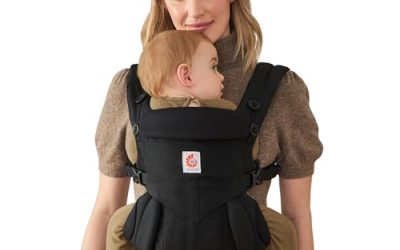
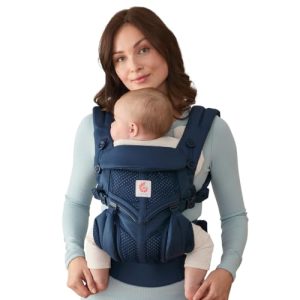
A toddler-sized panel should reach close to your child’s armpits, supporting the upper back without covering the head or pushing the chin forward. If the panel ends well below the shoulder blades, your child will lean backward and feel unsteady. Seat width matters just as much: the fabric should run from one knee pit to the other so the knees sit slightly higher than the bottom, keeping the legs in a spread-squat shape. Measure your toddler’s torso and knee-to-knee width, then compare them with the listed panel dimensions. A toddler-labelled carrier has a taller, wider panel than a standard one, and that extra fabric keeps a heavier child supported.
Check the Weight Limit and How the Carrier Handles a Heavier Child
Look for a carrier whose maximum weight covers your toddler’s current weight with room to grow, ideally up to at least 45 pounds. A limit your toddler is already close to means the carrier will feel strained within months, and the straps and buckles will take more stress than they were designed for. Weight handling is about more than the number on the label. A wide, firm waistband that sits on your hips takes much of the load off your shoulders, while a narrow or floppy waistband lets the weight hang from your upper body. Padded straps that stay put and a chest clip that stops them sliding make a long carry far more comfortable.
Make Back Carry Easy and Comfortable
Most toddlers spend most of their carried time on your back, where they can see over your shoulder and you keep your arms free. Look for a carrier you can load a wriggling toddler into without help, with straps that are easy to reach and tighten once the child is on your back. A waistband that stays level while you load the child keeps the carrier from tipping, and smooth-adjusting shoulder straps let you pull the child snug against your back. Some carriers include a head support or sleeping hood, which helps when a toddler dozes off mid-walk. Practice the back carry at home a few times first, so you both get used to the motion.
Look for Quick Up-and-Down Access and a Fit You Can Adjust Alone
Toddlers rarely stay in a carrier for hours at a stretch. They want up to look at something, down to walk, and up again two minutes later, so a carrier that takes five minutes to put on will spend most of its life in the closet. Buckle carriers score well here: loosen the shoulder straps, swing the child to your hip or front, and set them down without untying anything. Check that the buckles open easily with one hand but stay secure against a curious toddler. The fit should also be adjustable while you wear it, so you can re-tighten the waistband and straps yourself after your toddler shifts position.
Which One Fits Your Situation
You Walk a Lot and Your Toddler Still Tires Out
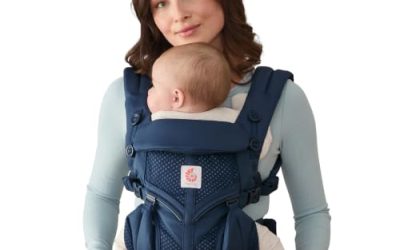
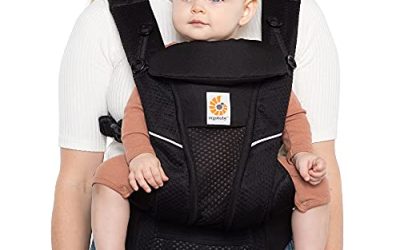
Choose a toddler-sized panel with a wide, structured waistband and well-padded shoulder straps, because the weight of a tired toddler adds up fast over a long walk. A breathable mesh panel helps on warm days, and a sleeping hood supports a head that nods off halfway home. Prioritise back carry comfort above all, since that is where your toddler will ride for the longest stretches.
Your Toddler Wants Up and Down Every Few Minutes
Pick a buckle carrier with smooth, one-handed buckles and straps that loosen and tighten quickly, so each transfer takes seconds rather than minutes. A hip carry option is handy for short hops, letting you scoop your toddler up and set them down without a full re-adjust. Keep the carrier light and simple, with as few extra straps and accessories as possible, so nothing slows the constant up-and-down rhythm down.
Two Caregivers Share One Carrier
Look for a carrier with a wide range of waistband and strap adjustment, so it fits a taller caregiver and a shorter one without constant rethreading. Clearly marked adjustment points and buckles that slide easily make handovers painless, and a neutral, unisex style keeps both caregivers happy to wear it. If the two wearers differ greatly in size, check the minimum and maximum waistband measurements before you buy.
You Need One Carrier for Errands, Travel and the Park
Go for a versatile toddler carrier that handles front and back carries, folds down small, and wipes clean easily after muddy park trips or spilled snacks. A pocket for keys and a phone means fewer bags to juggle, while a sturdy build stands up to daily use across many settings. One well-chosen carrier that works everywhere beats a collection of specialised ones that each only suit a single outing.
Common Mistakes
- Buying a standard-size carrier for a tall toddler: a panel that is too short leaves the upper back unsupported and makes back carries feel unstable.
- Ignoring the weight limit: a carrier your toddler has nearly outgrown will feel uncomfortable within months and put extra strain on the straps and buckles.
- Choosing style over waistband support: a pretty carrier with a thin, floppy waistband pushes all the weight onto your shoulders on longer walks.
- Never practising the back carry at home: fumbling with straps and a wriggling toddler in a car park is stressful, while a few practice runs at home build confidence fast.
- Forgetting the up-and-down factor: toddlers climb in and out constantly, so a carrier that is slow to adjust will be left behind even if it is comfortable once on.
Frequently Asked Questions
When should a toddler move from a standard carrier to a toddler-sized one?
Most children outgrow a standard panel between 18 months and two years, when the panel no longer reaches near their armpits or the seat no longer spans knee to knee. If your toddler leans back, complains, or the carrier feels tippy on your back, those are signs the panel is too small. Check your child’s torso length and knee-to-knee width against the carrier’s stated panel measurements to confirm the timing.
Is back carry safe for a toddler in a soft structured carrier?
Back carry is a normal and practical position for toddlers who can sit unaided and hold their head up steadily, which most do well before their first birthday. Always follow the carrier maker’s guidance on minimum age and weight for back carry, keep the panel high enough to support the upper back, and check that your toddler is centred and snug before you start walking.
Can one soft structured carrier fit both a baby and a toddler?
Some carriers adjust from infant to toddler sizes with a sliding panel or adjustable seat width, and these can work if the adjustments change the panel height and seat width. Others claim a wide age range but only adjust the waistband, leaving the panel too small for a toddler. Compare the smallest and largest panel measurements with your child’s size before relying on one carrier for both stages.
How do I know the carrier fits my toddler correctly?
Once settled in, the panel should reach close to the armpits, the seat should run from knee pit to knee pit, and the knees should sit higher than the bottom. The waistband should sit level on your hips, straps snug without digging in, and your toddler’s chin should stay off the chest, airway clear. Re-check the fit after a few minutes of walking, since toddlers shift position.
FAQ
When should a toddler move from a standard carrier to a toddler-sized one?
Is back carry safe for a toddler in a soft structured carrier?
Can one soft structured carrier fit both a baby and a toddler?
How do I know the carrier fits my toddler correctly?
More from Amazon
Programs that pair well with the guide above. Offers and eligibility are set by Amazon and may change.
Build one list of everything you need for the new arrival and share it with family and friends.
Create a baby registrySet up recurring deliveries of everyday items on eligible products. Terms and savings are set by Amazon.
Explore Subscribe & SaveFree shipping on eligible items, Prime Video and more. Eligible new members can start with a free trial.
Start a Prime free trialAudiobooks and podcasts to listen to on the go. Eligible new members can start with a free trial.
Try Audible freeAs an Amazon Associate we earn from qualifying purchases.