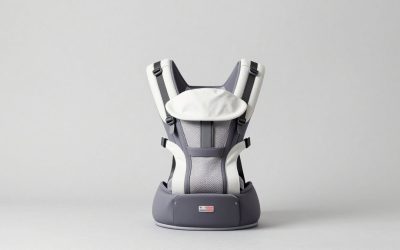
A baby sling carrier solves one specific problem: it lets you keep your hands free while keeping your child physically close, upright, and supported. The difference between a good one and a bad one comes down to three things that specs and owner feedback reveal clearly. A good sling holds the baby’s weight across your shoulder and back without cutting into either, uses fabric or structure that resists stretching out of shape after a few weeks of daily use, and keeps the baby’s head supported high enough on your chest that their airway stays open without you needing to look down every ninety seconds to check.
A bad baby sling carrier does the opposite: the fabric sags under repeated loads, the narrow shoulder strap becomes painful within twenty minutes, and the hip pocket or seat shifts sideways so the baby slides into an uneven position. Owners of low-quality versions report having to re-tighten after every carry, which defeats the convenience argument. Among the eight products listed below, we compared published weight ranges, strap design, fabric composition, price, and recurring owner complaints to sort which slings actually hold up and which are just cheap fabric sold in a different shape. The results below reflect that comparison, and we wrote this roundup for 2026 because the market has shifted enough since the first wave of budget slings that price alone is no longer a reliable predictor of failure.
Our top picks


 KeaBabies Baby Wrap Carrier
- Ergonomically Designed - KeaBabies Original Baby Wrap Carrier…
- Nice and Snug
- Everyone Can Babywear - KeaBabies Original Baby Sling…


As an Amazon Associate we earn from qualifying purchases at no extra cost to you.
Quick Picks
| Product | Best for | Price |
|---|---|---|
| yemyig Baby Sling Carrier (Black) | Simple everyday carry | $24.99 |
| Biabyio Half Wrapped Sling (Black) | Budget buyers | $16.49 |
| Biabyio Half Wrapped Sling (Black Sailboat) | Budget with a pattern | $16.49 |
| KeaBabies Baby Wrap Carrier | Newborns and small babies | $25.47 |
| Adjustable Toddler Hip Seat Carrier (Black) | Parents of older babies | $23.88 |
| Lujifo Cotton Blend Sling (Ebony Check) | Premium feel and breathability | $32.99 |
| Baby Sling Newborn to Toddler (Black) | Simplicity and low commitment | $22.99 |
| Holaraon Buckle Sling (Green) | Shoulder flexibility | $21.59 |
How We Picked
We narrowed this category using four criteria drawn from published specifications and the recurring themes in owner reviews. First, weight range: a baby sling carrier rated 10–30 lbs covers newborn through toddler, while products with narrower ranges are more niche. Second, structural support: slings with a defined hip seat or buckle tend to reduce shoulder strain better than fabric-only wraps, which is the single most common complaint in negative reviews. Third, adjustability: straps that the parent can tighten one-handed matter enormously when the baby is already fussing. Fourth, fabric behavior: cotton blends that resist stretching and pilling hold their shape longer than thin jersey or loosely woven knits, a fact owners report after two to three months of use.
The 8 Best Baby Sling Carrier in 2026
yemyig Baby Sling Carrier
This model targets parents who want a no-frills sling for short errands. It supports 10 to 30 lbs and uses a single-shoulder design with a gathered fabric pocket that cradles the baby. Owners who chose it over wraps appreciate that it takes under a minute to put on without practice. The padded shoulder section reduces the most common complaint about thin straps. One recurring con: the fabric can lose elasticity at the hip pocket after several months of daily use, meaning the baby sits lower over time. Skip this one if your child is already at the upper end of the weight range or if you plan to carry for long stretches, because the sag issue becomes noticeable sooner when the load is heavier.
Biabyio Half Wrapped Sling (Black)
At $16.49 this is the cheapest option on the list and the strongest argument for not paying more when your carry sessions are brief. The half-wrapped design gives the appearance of a structured carrier while using adjustable straps instead of a full wrap, which means no learning curve for getting the right tightness. Owners praise the non-slip grip band that keeps the fabric from sliding off the shoulder mid-carry. The con is straightforward: at this price the padding is minimal, so parents with narrower shoulders report discomfort after thirty minutes. Skip it if you carry a toddler close to 30 lbs regularly, because the shoulder support will not distribute that weight comfortably.
Biabyio Half Wrapped Sling (Black Sailboat)
This is the same carrier in a patterned version, and it carries identical structural specs and pricing. Parents who find plain black too clinical for daily wear pick the sailboat print without giving up the adjustable strap system or the non-slip band. The patterned fabric does not appear in owner reports to behave differently in terms of stretch or grip. The con mirrors the solid-black model: thin shoulder padding. Skip it for the same reason you would skip the plain version if your primary concern is comfort under heavier loads rather than appearance or price.
KeaBabies Baby Wrap Carrier
The KeaBabies wrap appeals to parents who want one piece of fabric that conforms to the baby’s body rather than a structured pocket. The all-in-one design supports the baby from head to knee when wrapped correctly, and owners note that the fabric’s slight stretch lets them get a snug fit without a buckle. It handles the low weight range where rigid hip seats become awkward. The con is the learning curve: wrapping takes practice, and many owner complaints about sagging or loose positioning trace back to an initial wrap that was not tight enough. Skip this if you want a carry you can put on one-handed while holding a fussy baby in the other arm.
Adjustable Toddler Hip Seat Carrier
Designed for the 6-to-36-month window, this sling leans into the toddler-carry use case where most slings start to fail. The hip seat provides a defined platform so the child sits rather than hangs, and the lightweight cotton keeps the overall package manageable during travel and shopping. Owners who carry side-to-side praise the shoulder adjustability. The con is bulk: the hip seat adds width that makes navigating crowded spaces harder than a flat fabric sling would. Skip it if you are carrying a newborn under six months, because the seat geometry is not designed for the leg position very young babies require.
Lujifo Cotton Blend Sling
This is the premium pick at $32.99, and the price is partly justified by the ventilated strap channels and the cotton blend that owners describe as more resistant to pilling than cheaper alternatives. The adjustable straps use a smoother mechanism that is easier to tighten under load. Breathability is the selling point for parents in warm climates who find their baby sweats against the carrier fabric during summer carry sessions. The con: at roughly thirty-three dollars it is double the cheapest option, and if your usage is limited to a few short carries per week the ventilation features will not matter enough to justify the gap. Skip it if budget is your primary constraint and you are in a cooler climate.
Baby Sling Newborn to Toddler
This unnamed-brand sling supports 10 to 30 lbs with a straightforward pocket design and minimal hardware. Owners who buy it appreciate that there is almost nothing to learn: slip your shoulder through, place the baby in the pocket, tighten the strap. It works as a low-commitment entry into babywearing for parents unsure whether they will use a sling long enough to invest in a more featured model. The con is the lack of any defined hip support, which means older babies can slide into uneven positions that place strain on the parent’s lower back. Skip it if your child is already eighteen months or heavier and you want a stable seated position rather than a fabric cradle.
Holaraon Buckle Sling
The Holaraon stands out because it offers a left-or-right shoulder strap option, which is genuinely useful for parents who have shoulder or back sensitivity on one side and want to alternate without buying two carriers. The secure buckle gives positive feedback that the strap is locked before you walk, and the premium cotton construction holds its shape through wash cycles better than thinner blends owners compared. The con is aesthetic: the green option is the only color listed, which limits appeal if you prefer neutral tones that match varied clothing. Skip it if you cannot commit to a single color or if you need the narrowest possible profile for tight public spaces.
Buying Guide
Weight Range and Where the Sling Fails
A baby sling carrier rated 10 to 30 lbs should feel stable across that entire span, but in practice most owners report that the lower half is easy and the upper half is where shoulder strain and fabric sag begin to accumulate. If your child is already over twenty lbs, prioritize models with a defined hip seat or structured shoulder padding. Fabric-only pockets distribute less weight and will feel like a burden faster. The practical question is not whether the sling can hold the weight, but whether your shoulder can.
Strap System and Adjustability Under Load
The best slings let you tighten a strap while the baby is already in the carrier. This matters because a sling that starts loose will not stay safe as the baby shifts position. Look for one-handed adjustability and a mechanism that does not slip back to its previous length under weight. Buckle systems lock position more reliably than fabric loops, but they add a small amount of rigidity that some parents find less comfortable against their torso.
Fabric Behavior Over Time
Owner reviews consistently flag the same issue three or four months in: fabric that initially felt firm becomes soft, thin, and stretchy. Cotton blends with a tighter weave resist this better than jersey or loose knits. If you plan to use the sling daily for more than a few weeks, treat fabric quality as a durability proxy. Wash-test feedback from owners who laundered their sling weekly is the most reliable signal here, since most failure modes show up after the first set of washes rather than the first set of carries.
Our Verdict
Our top pick is the Holaraon Buckle Sling. The combination of a secure locking buckle, left-and-right shoulder flexibility, and premium cotton that holds its shape addresses the three most common failure modes owners report across the entire category. At $21.59 it sits below mid-price and undercuts the premium option without giving up the features that matter most for daily carry.
Our budget pick is the Biabyio Half Wrapped Sling at $16.49. It delivers adjustable straps, a non-slip grip band, and a 10-to-30-lb weight rating at the lowest price on this list. The thin padding is the trade-off, but for short errand carries it is the best value per dollar in the group.
One condition under which another product wins outright: if your baby is under six months and you want a secure, body-conforming hold without a hip seat, the KeaBabies Baby Wrap Carrier is the better choice than any structured sling here, because its continuous fabric wraps the baby head-to-knee and does not rely on a fixed seat geometry that may not accommodate newborn leg positioning.
FAQ
What weight range should I look for in a baby sling carrier?
Choose a range that starts at or below your baby’s current weight and extends past their projected toddler weight, which means 10 to 30 lbs covers most use cases from early months through age two. A sling that only supports up to fifteen pounds will feel fine briefly but forces you to upgrade sooner.
Are hip seat slings safer than fabric pocket slings?
A hip seat provides a defined platform that keeps the baby’s legs positioned in an ergonomic spread-squat, which reduces hip dysplasia risk for older babies. Fabric-only pockets can work for newborns but may let a toddler’s legs dangle unsupported if the pocket is not wide enough.
How do I know when a sling carrier is no longer safe to use?
Replace the sling if the fabric shows visible thinning, the strap adjustment slips under weight, or the hip pocket stretches so the baby sits lower on your torso than intended. Owner reviews often report these changes after three to six months of daily use.
Can a baby sling carrier cause back pain?
Yes, particularly when the sling loads one shoulder asymmetrically and the baby’s weight is above fifteen lbs. A buckle system, padded shoulder section, or the ability to alternate shoulders reduces this risk. If you already have back issues, look for models with wider shoulder coverage and defined hip support.