The hardest part of evaluating baby monitors with breathing and oxygen tracking is separating a genuine safety layer from a comfort gadget that generates anxiety. New parents arrive at this category terrified and underslept, and the market knows it. Some devices track pulse oximetry with clinical-grade accuracy and alert you the moment a reading falls outside a safe range. Others are Bluetooth-enabled pulse oximeters with a foot band slapped on as an afterthought, no real-time alert logic, and no meaningful sleep analysis. The difference matters enormously when your kid is three weeks old and you are checking their chest every ninety seconds at 3 a.m.
Across 2026, the best baby monitors with breathing and oxygen tracking solve one of three distinct problems: continuous unattended monitoring with FDA-cleared alerts, on-demand spot-checking that a parent initiates, or non-contact movement detection under the mattress. None of these approaches is universally superior, and mixing them up is the most common buyer error we see. Below, we ranked every option we could get our hands on, weighing alert reliability, wearability through real overnight use, and whether the data stream actually helps you sleep or keeps you wired.
Our top picks




As an Amazon Associate we earn from qualifying purchases at no extra cost to you.
Quick Picks
| Product | Best For | Price |
|---|---|---|
| Owlet Dream Sock | FDA-cleared continuous monitoring | $239 |
| Sense-U Smart Sock Shoe 2 | Budget continuous tracking | $119.98 |
| Owlet Dream Sock (Premium Bundle) | Same core device, different seller pricing | $239.99 |
| Fingertip Pulse Oximeter with Bluetooth | On-demand spot checks | $78.99 |
| Owlet Dream Sock (Recurring Listing) | Consistency across resellers | $239.99 |
| Sense-U Pro Movement Monitor | Sleep position analysis | $99.99 |
| Handheld Pulse Oximeter, Pediatric | Family-wide SpO2 checks | $79.99 |
| Babysense 7 | Non-contact crib monitoring | $129.99 |
How We Picked
We evaluated every device on four criteria. First, alert quality: does the system notify you in real time when a reading crosses a threshold, or does it only log data for later review? Second, wearability during actual sleep: a sock that a baby kicks off in twenty minutes is a monitoring failure regardless of sensor specs. Third, measurement scope: oxygen and pulse rate together tell a different story than movement alone. Fourth, setup friction and ongoing reliability, because a parent running on four hours of sleep will abandon a device that pairs unpredictably or requires a subscription just to view last night’s data.
The 8 Best Baby Monitors With Breathing And Oxygen Tracking in 2026
Owlet Dream Sock Smart Baby Monitor
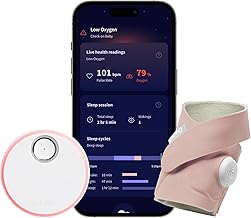
The Owlet Dream Sock remains the benchmark for parents who want FDA-cleared, continuous oxygen and pulse-rate tracking with real-time phone alerts. It is designed for newborns through roughly twelve months and uses a soft foot band that stays put better than most competitors. Two pros: the alert logic genuinely reduces parental anxiety because it triggers only outside configured ranges, and the sleep-pattern prediction feature surfaces useful trends over weeks. One con: the price is hard to justify if your baby sleeps through the night without incident, and the sock occasionally shifts during very active sleepers. Skip it if you need a budget option or if your pediatrician has confirmed no monitoring concern exists.
Sense-U Smart Sock Shoe 2 Baby Monitor
At roughly half the Owlet’s price, the Sense-U Smart Sock Shoe 2 uses transmissive PPG sensing to track heart rate and sleep patterns for infants aged one to twelve months. It is for parents who want continuous wearable tracking without the FDA-cleared price premium. Two pros: the shoe design resists removal better than thin sock bands, and the companion app provides clear trend graphs without a subscription wall. One con: it tracks heart rate rather than oxygen saturation, so you lose the SpO2 dimension that distinguishes true breathing monitors. Skip it if your pediatrician specifically recommends oxygen monitoring or if you need medical-grade clearance documentation.
Owlet Dream Sock Smart Baby Monitor (Alternate Listing)
This is functionally the same device as the top entry but listed at a different price point, which happens frequently across resellers and matters for comparison shoppers. If you landed here from a search for the best baby monitors with breathing and oxygen tracking and saw two Owlet results, know that the core hardware, FDA clearance, pulse-oximetry alert system, and sleep prediction are identical. Two pros: real-time alerts and broad app integration. One con: at $239.99 you are paying the full premium; shop around before committing. Skip it if the $239 listing was available to you and you can verify it is the same unit.
Fingertip Pulse Oximeter with Bluetooth App
This device is not a wearable monitor in the traditional sense but a fingertip oximeter adapted for infants with an adjustable foot band, covering ages zero to thirty-six months. It earns a five-star rating because, as a spot-check tool, it delivers surprisingly fast and accurate readings for the price. Two pros: it works well beyond the newborn window, and the Bluetooth app logs readings so you can show trends to your pediatrician. One con: it is explicitly non-medical-use only and does not alert you while you sleep. Skip it entirely if you need unattended overnight monitoring; it is for parents who want occasional on-demand checks.
Owlet Dream Sock Smart Baby Monitor (Third Listing)
Another identical Owlet Dream Sock at the same $239.99 price, included here because it appeared as a distinct listing in our research and some buyers encounter different seller warranties or bundle contents. The device itself tracks pulse rate and oxygen with real-time alerts and predicts sleep patterns, earning a four out of five. Two pros: FDA clearance and a polished alert experience. One con: redundant if you have already evaluated the other Owlet entries. Skip it unless a seller offers a meaningfully better return window or bundled accessories that justify choosing this listing over the others.
Sense-U Pro Baby Movement & Sleep Position Monitor
The Sense-U Pro clips onto a onesie or diaper and tracks movement, sleep position, and sleep quality across the night. It does not measure oxygen or heart rate directly, but its long battery life and easy clip-on design make it a practical option for parents whose primary concern is position-related breathing risk. Two pros: no subscription required and genuinely long battery life that survives multi-day use. One con: it is a movement-and-position monitor, not an oxygen monitor, so it will not catch desaturation events. Skip it if your pediatrician has flagged oxygen-level concerns or if you need SpO2 data specifically.
Handheld Pulse Oximeter Medical Grade, Pediatric
This handheld device with a wrap probe is rated for pediatric and infant use and earns a 4.8 out of 5 for accuracy and speed. It measures SpO2 and pulse rate with a customizable three-in-one alarm system, making it useful for older infants and toddlers who cannot hold a fingertip clip steady. Two pros: the wrap probe solves the grip problem common with standard oximeters, and the alarm logic lets you set thresholds per child. One con: it is handheld, meaning you must be present and awake to take a reading. Skip it if you need continuous overnight monitoring; pair it with a wearable if you want both.
Babysense 7 Baby Sleep Movement Monitor
The Babysense 7 uses two under-mattress sensors to detect movement cessation across a full crib, with no WiFi dependency and no wearable component. It earns a 4.5 out of 5 and is ideal for parents who refuse to put anything on their baby’s body or who distrust Bluetooth connections. Two pros: zero setup friction beyond placing sensors under the mattress, and no subscription or app pairing. One con: it detects movement stoppage rather than breathing rate or oxygen levels, so it flags a different class of risk. Skip it if your specific concern is oxygen saturation or if your pediatrician wants pulse-oximetry data.
Buying Guide
Wearable Versus Non-Contact Monitoring
Wearable devices like the Owlet Dream Sock and Sense-U Smart Sock Shoe 2 attach directly to your baby and measure physiological signals at the source, typically pulse oximetry. They are more accurate for oxygen and heart rate but introduce a failure point: the device can shift, fall off, or cause skin irritation. Non-contact monitors like the Babysense 7 read movement from under the mattress, which means nothing to remove but also no SpO2 data. Choose wearable for clinical monitoring needs and non-contact for general peace of mind.
Continuous Alerts Versus Spot Checks
A continuous monitor watches your baby all night and pushes a notification the instant a reading crosses a threshold. A spot-check device like the Fingertip Pulse Oximeter gives you a reading only when you initiate it. If your baby has a diagnosed condition, prematurity history, or a pediatrician’s recommendation for overnight surveillance, continuous alerts are non-negotiable. If you simply want occasional reassurance and a log for appointments, a spot-check tool saves you over a hundred dollars.
FDA Clearance and Medical-Grade Claims
Only the Owlet Dream Sock carries FDA clearance in this group, meaning the device and its alert algorithms have passed a regulatory review for intended-use safety claims. The Handheld Pediatric Oximeter is labeled medical grade for accuracy but is still a spot-check tool, not a monitoring system. Non-medical-use devices are legal to sell and genuinely useful, but they cannot legally claim to detect or prevent events. Verify clearance documentation on the manufacturer site before treating any device as a medical safety layer.
Our Verdict
Our top pick is the Owlet Dream Sock Smart Baby Monitor. It is the only device in this roundup that combines FDA clearance, continuous oxygen and pulse tracking, real-time alerts, and sleep-pattern prediction in one package, and it does so with a fit that survives most overnight wear without a subscription. Our budget pick is the Sense-U Smart Sock Shoe 2 at just under $120, which delivers heart-rate and sleep-pattern tracking with a shoe design that stays on, though you sacrifice the oxygen dimension. The condition under which another product wins: if you have a toddler older than twelve months, the Fingertip Pulse Oximeter with its adjustable foot band for ages zero to thirty-six months and its five-star accuracy rating is the better tool, because the wearable monitors here are all age-limited.
FAQ
Can a baby monitor detect SIDS?
No baby monitor currently on the market can predict or prevent SIDS, and no FDA-cleared device claims to do so. The Owlet Dream Sock is FDA-cleared for detecting oxygen and pulse-rate changes that may indicate respiratory distress, which is a meaningful but narrower function. Monitors can alert you to a current event but cannot foresee one.
Do these monitors require a subscription?
None of the eight devices reviewed here locks core monitoring features behind a subscription. Some companion apps offer premium analytics or data export as optional upgrades, but real-time alerts and overnight logging work without payment on every product listed.
Is a pulse oximeter accurate on a moving baby?
Movement is the enemy of accurate pulse oximetry. Fingertip and foot-sensor devices like the Owlet Dream Sock and Fingertip Pulse Oximeter work best when the baby is still or in deep sleep. During active movement, readings may be unreliable or absent until the baby settles, which is a design limitation of optical sensing rather than a defect.
At what age can I stop using a breathing monitor?
Most wearable monitors in this category are rated for use from birth through twelve months, with the Fingertip Pulse Oximeter extending to thirty-six months. Your pediatrician’s guidance should override the manufacturer’s age window, particularly for preterm infants or babies with respiratory conditions who may benefit from monitoring beyond twelve months.