Our Top Picks
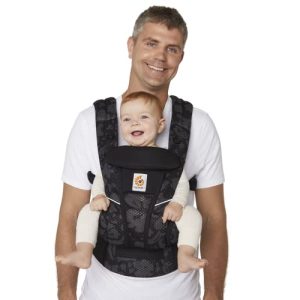
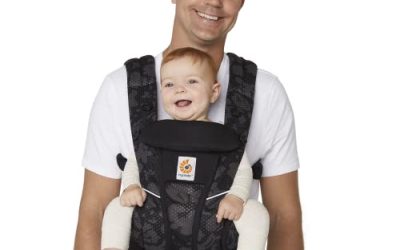
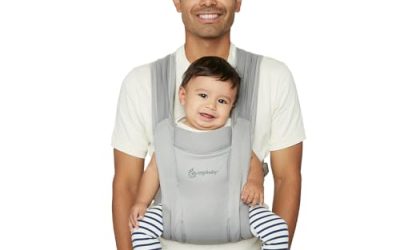
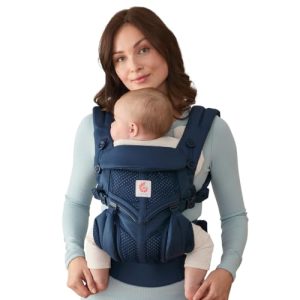
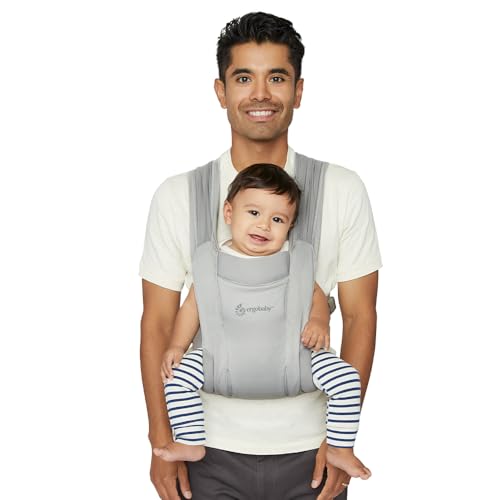 Ergobaby Embrace Newborn Baby Carrier for Infants 0-12Soft Air Mesh10.43 x 6.85 x 4.88 inchesCheck on Amazon
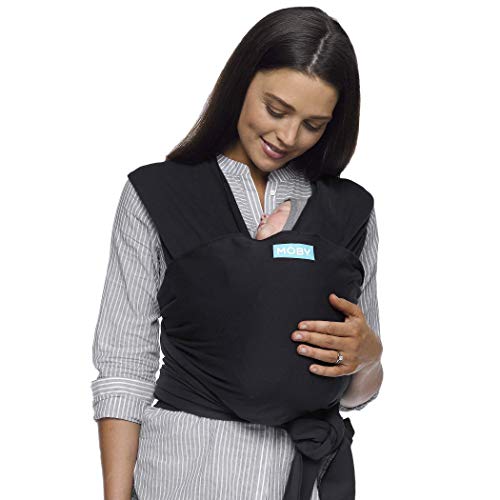 Moby Baby Wrap Carrier Classic for Newborns to1 Count (Pack of 1)5.5 x 5.5 x 11.5 inches1.3 poundsCheck on Amazon


A petite baby changes the carrier decision completely. A carrier built for an average newborn can swallow a baby under eight pounds, leaving the seat too wide, the panel too tall, and the head unsupported. The real choice is not about brand or color. It is about whether the carrier can hold a small body snugly, knee to knee, with the airway clear and the fabric close enough that the baby feels held rather than lost inside it.
This guide is for parents of newborns and young infants who are small for their age, including babies born a little early or simply light at birth. It is about the baby being small, not the parent: that is what sets it apart from guides for petite parents or petite toddlers. Every carrier below was chosen from the name and specifications on its Amazon listing, starting with the minimum weight it is made for.
Quick Picks
As an Amazon Associate we earn from qualifying purchases.
| Product | Best for | Key spec from title |
|---|---|---|
| Ergobaby Embrace Soft Air Mesh | Newborn snuggles with buckles, no tying | 7 to 25 pounds, newborn to 12 months |
| BabyBjörn Baby Carrier Mini 3D Jersey | A simple first carrier for tiny newborns | 7 to 24 pounds, front inward and outward |
| Baby Tula Free-to-Grow | One carrier from newborn to toddler | 7 to 45 pounds, no infant insert needed |
| Boba Wrap | A soft, moldable fit for the smallest babies | 7 to 35 pounds, French Terry cotton and spandex |
| Moby Wrap Classic | A classic cotton wrap for daily newborn carrying | 8 to 33 pounds, 100 percent cotton, about 16 feet |
How to Choose
Start With the Minimum Weight, Not the Age
Age ranges on carrier listings are rough guides, and a petite baby often sits below the average for their age. The minimum weight is the number that decides whether a carrier is safe to use now. Most newborn carriers on this list start at seven pounds, while the Moby Wrap Classic starts at eight. Weigh your baby, then match that number to the listing before anything else. If your baby is under seven pounds, wait until they reach the stated minimum and ask your pediatrician first. A carrier that starts at twelve pounds is simply not a newborn carrier for a petite baby, no matter how soft it looks.
Look for a Narrow Seat and a Short Panel
A petite baby needs a seat narrow enough that the fabric runs knee to knee without forcing the legs wide, and a panel short enough that it does not cover the face or push the chin to the chest. Adjustable panels earn their place here: the Tula Free-to-Grow widens as the baby grows, so it can start narrow and open up later. Fixed wide seats are the most common mismatch for small babies, and they are hard to spot in photos. Check the listing for seat width settings or a newborn mode, and picture the baby sitting with knees slightly higher than the hips.
Check Head and Neck Support
A small newborn cannot hold their head up, so the carrier has to do that job for the first months. Look for an adjustable head support, a foldable panel, or fabric that can be pulled up to cradle the neck without covering the nose and mouth. The Ergobaby Embrace and the BabyBjörn Mini both build this support into the panel, which matters when the baby is too small to fill the carrier body. Wraps support the head with the fabric itself, but only when the wrap is tied snugly in layers. Whatever style you choose, the baby should sit high enough to kiss, with the face visible at all times.
Choose Fabric That Forgives a Small Body
Stretchy wraps mold themselves around a tiny baby, filling gaps that a stiff structured panel cannot, which is why two wraps made this list. Cotton and cotton blends breathe well and soften with washing, while mesh panels suit warm rooms and babies who run hot. Avoid thick padding that holds the baby away from your chest: closeness is what keeps a petite baby warm, settled, and easy to check. If you pick a buckle carrier, look for soft knit or jersey fabric rather than rigid canvas, and confirm on the listing that the fabric is machine washable, because newborn carrying gets messy fast.
The 5 Best Options
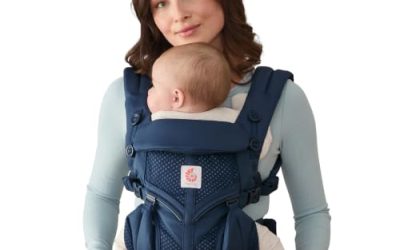
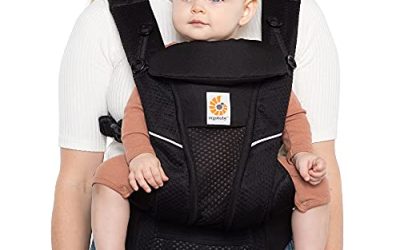
Ergobaby Embrace Soft Air Mesh
The Embrace is the easiest starting point for parents who want wrap-like softness with buckles instead of tying. Its soft ponte knit hugs a small newborn close, the panel adjusts between a newborn mode and a baby mode, and the built-in head and neck support keeps a tiny baby upright without extra padding. It suits the first year only, which is exactly the window a petite baby needs most, and it folds small enough to tuck into a diaper bag.
Specs
- Weight range 7 to 25 pounds
- Age range newborn to 12 months
- Carry positions two front positions, inward and outward
- Fabric soft ponte knit with Soft Air Mesh
- Head and neck support included
- Model BCEMASAMGRY in Soft Grey
Best for: Parents who want a soft, snug newborn carrier they can buckle on in seconds.
Watch out for: It tops out at 25 pounds, so plan on a second carrier later; confirm the listing names Soft Air Mesh, since other Embrace fabrics feel different.
ASIN: B09V5L89BR
BabyBjörn Baby Carrier Mini 3D Jersey
The Mini is built specifically for the newborn stage, and that focus shows in how it fits a small baby. The seat is narrow, the panel is short, and the whole carrier is light enough that a petite baby does not feel weighed down by hardware. The 3D Jersey fabric is soft and stretchy, the head support adjusts as the baby grows, and the two front positions cover the early months. It is the simplest carrier on this list to put on, which matters when you are learning with a tiny baby in your arms.
Specs
- Weight range 7 to 24 pounds
- Age range newborn to about 12 months
- Carry positions front inward and front outward
- Fabric 3D Jersey in Light Gray
- Adjustable head support
- Machine washable
Best for: First-time parents who want the simplest possible carrier for a tiny newborn.
Watch out for: It has no hip or back carry, so it is a newborn-stage carrier only; check the listing for the 3D Jersey version, since the Mini comes in several fabrics.
ASIN: B07DY3QXS7
Baby Tula Free-to-Grow
The Free-to-Grow is the pick for parents who want to buy once and carry from the newborn weeks through toddlerhood. Its panel adjusts in both width and height, so it can start narrow enough for a seven-pound baby and widen as the child grows, with no infant insert to buy or lose. Padded shoulder straps, a supportive waistband, and a removable hood make it comfortable for longer outings, and the printed fabrics give it a very different look from the plain newborn carriers.
Specs
- Weight range 7 to 45 pounds
- Age range newborn to toddler
- Carry positions front inward and back
- Panel adjustable in width and height
- Waistband range about 27 to 57 inches
- Padded shoulder straps
- Removable hood
- Model TBCA7BKG1 in Discover
Best for: Parents who want one carrier that starts narrow for a petite newborn and grows into the toddler years.
Watch out for: It has no front-outward position, so babies who want to face the world will need a different carrier for that stage.
ASIN: B06XK45QHW
Boba Wrap
The Boba Wrap is the most forgiving option here for the very smallest babies, because the stretchy fabric wraps around the baby and molds to their shape instead of asking the baby to fit a fixed panel. It starts at seven pounds, and the maker describes it as usable from that weight, which makes it one of the few options for a baby just over the seven-pound mark. The French Terry cotton and spandex blend is soft against newborn skin, it folds down to almost nothing in a bag, and one size fits most adults.
Specs
- Weight range 7 to 35 pounds
- Age range newborn to toddler
- Carry position front inward
- Fabric French Terry cotton and spandex
- Soft and stretchy
- Compact fold
- Model BOBAW-GREY in Grey
Best for: Parents of the smallest newborns who want a wrap that molds closely around a tiny body.
Watch out for: Tying takes practice, and stretchy fabric can sag as the baby gains weight, so re-tighten it often and check the baby stays high and snug.
ASIN: B005SP2LWW
Moby Wrap Classic
The Moby Wrap Classic is the original stretchy wrap, and its long, soft cotton fabric is still one of the best ways to carry a small newborn close. The wrap spreads the baby’s weight across your shoulders and back, the fabric supports the head in layers, and the snug fit keeps a petite baby settled against your chest. It takes a few tries to learn the wrap, but once the tying clicks it becomes a fast, reliable way to carry a young infant hands-free around the house.
Specs
- Weight range 8 to 33 pounds
- Age range newborn to toddler
- Fabric 100 percent cotton
- Wrap length about 16 feet
- One size fits most adults
- Carry position front inward
- Model MCL-BLACK in Black
Best for: Parents who want a classic all-cotton wrap for daily carrying at home and on short walks.
Watch out for: The eight-pound minimum rules it out for the very smallest newborns, and the long fabric takes practice to tie neatly without dragging.
ASIN: B000OY539A
Which One Fits Your Situation
Your Baby Is Under Eight Pounds
Pick the Boba Wrap or the Ergobaby Embrace, the two options here that start at seven pounds. The Boba Wrap molds around the tiniest bodies with no gaps, while the Embrace gives the same snug feel with buckles if tying feels daunting. Skip the Moby Wrap Classic until your baby reaches eight pounds, and recheck the weight weekly, since small babies gain fast in the early weeks.
You Want Buckles, Not Tying
Choose the Ergobaby Embrace for the newborn months or the BabyBjörn Mini for the simplest possible setup. Both buckle on in seconds, both support the head without extra pieces, and both are sized for a small baby rather than an average one. If you also want the carrier to last past the first year, the Tula Free-to-Grow is the buckle option that keeps going.
You Want One Carrier From Newborn to Toddler
Buy the Baby Tula Free-to-Grow. Its adjustable panel starts narrow enough for a seven-pound newborn and widens through toddlerhood, so you never need an infant insert or a second carrier. The trade-off is the missing outward-facing position, but for parents who mostly carry facing in, that is a small compromise for years of use.
You Carry in Warm Rooms or Hot Weather
Take the Ergobaby Embrace Soft Air Mesh. The mesh panel moves air between you and the baby, which matters when a small baby is held chest to chest for long stretches. The BabyBjörn Mini in 3D Jersey is the other airy choice, though its solid fabric warms up faster than mesh on the hottest days.
Common Mistakes
- Shopping by age instead of weight: a petite three-month-old may still need a carrier made for babies from seven pounds.
- Ignoring the minimum weight on the listing and hoping a small baby will grow into the carrier.
- Choosing a wide fixed seat that forces a tiny baby’s legs apart instead of holding them knee to knee.
- Tying a stretchy wrap loosely, so the baby slowly sinks and the fabric no longer supports the head.
- Assuming every carrier in the same product line fits newborns: always check the exact model and variant on the listing.
Frequently Asked Questions
What weight can a petite baby start in a carrier?
Most newborn carriers start at seven pounds, including the Ergobaby Embrace, the BabyBjörn Mini, the Tula Free-to-Grow, and the Boba Wrap. If your baby weighs less than seven pounds, wait until they reach the stated minimum and ask your pediatrician before carrying. Never use a carrier below its listed minimum, even for a short walk.
Do petite babies need an infant insert?
It depends on the carrier. The Tula Free-to-Grow needs no insert because its panel adjusts down to newborn size, while some structured carriers only fit newborns with an insert sold separately. Check the listing for the exact model: if it mentions an insert, confirm whether it comes in the box or must be bought on its own.
Is a wrap or a buckle carrier better for a small baby?
A stretchy wrap molds around the smallest babies with no gaps, which is why the Boba Wrap and Moby Wrap suit the newborn weeks so well. A buckle carrier is faster to put on and easier to share between caregivers, and newborn-focused models like the Embrace and Mini fit small babies well. Many parents keep one of each.
When should a petite baby move out of a newborn carrier?
Move on when your baby passes the maximum weight on the listing or outgrows the panel height, whichever comes first. For the 25-pound models here that is usually around twelve months. If the baby’s chin presses into their chest or the legs no longer sit knee to knee, it is time to switch even before the weight limit.
FAQ
What weight can a petite baby start in a carrier?
Do petite babies need an infant insert?
Is a wrap or a buckle carrier better for a small baby?
When should a petite baby move out of a newborn carrier?
More from Amazon
Programs that pair well with the guide above. Offers and eligibility are set by Amazon and may change.
Build one list of everything you need for the new arrival and share it with family and friends.
Create a baby registrySet up recurring deliveries of everyday items on eligible products. Terms and savings are set by Amazon.
Explore Subscribe & SaveFree shipping on eligible items, Prime Video and more. Eligible new members can start with a free trial.
Start a Prime free trialAudiobooks and podcasts to listen to on the go. Eligible new members can start with a free trial.
Try Audible freeAs an Amazon Associate we earn from qualifying purchases.