Key takeaways
- Learn how to carry twins with hip dysplasia safely, from M-position seating and tandem setups to harness checks, fit routines, and daily carrying habits.
As an Amazon Associate we earn from qualifying purchases.
Carrying twins is already a balancing act, and hip dysplasia adds a real decision to every outing: how to hold each baby so the hips stay supported instead of squeezed or forced straight. The goal is simple to describe and harder to practise — knees higher than the bottom, weight spread across a wide seat, and legs free to rest in a natural frog-like bend. When that shape holds, the carrier does the supporting and the hips are not left dangling from the groin.
This guide is for parents of twins where one or both babies have hip dysplasia, including families using a harness or brace under a clinician’s care. It walks through single carries first, then tandem setups, then the checks that keep each carry safe as babies grow, squirm, and settle. Before you start, ask your paediatrician or physiotherapist whether carrying is suitable for your babies and whether any harness or brace should stay on inside the carrier.
How to Carry Twins Step by Step
Start with One Baby at a Time
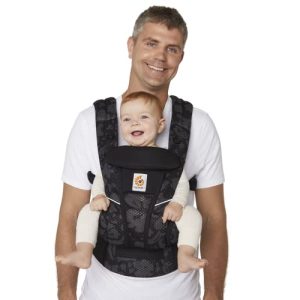
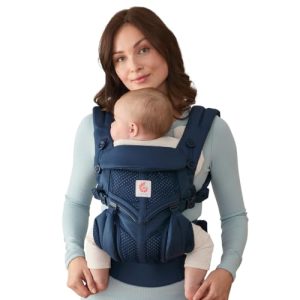
Practise with one twin before you ever attempt two. Pick a calm moment at home, sit on a bed or sofa, and work in front of a mirror so you can see the seat and the baby’s face. Put the carrier on first, tighten the waistband at your natural waist, then settle the baby in with knees bent and fabric spread from one knee to the other. Bounce gently and check that the baby feels close enough to kiss. Do the same with the second twin, noting differences in size and weight. Only when both single carries feel steady and quick should you add the second baby, with help nearby for the first tandem attempts.
Set the M-Position for Each Baby
The M-position means the baby’s knees sit higher than the bottom, with the seat supporting the thighs knee to knee. Scoop the fabric under the baby’s bottom, lift each knee up and out, and let the weight rest on the seat, not the crotch. The legs should bend naturally at hips and knees, never hang straight down or press together in a narrow bundle. If the seat is too narrow, widen it if the design allows or switch to a wider panel. Recheck after a few minutes of walking, because babies wriggle and fabric slips, and a wide seat can narrow as the baby settles.
Build a Tandem Setup That Fits Your Body
Most parents use one baby in front and one on the back, or two front carries with a wrap or tandem carrier; the right choice depends on your strength, the babies’ sizes, and where you are going. Put the heavier or fussier twin in front where you can see them, then add the second baby on your back with another adult helping. Tighten each carrier separately so one does not pull the other off balance, and keep the front baby high enough to see the ground ahead. Short test walks at home reveal pressure points before they hurt outside. If a setup leaves you leaning or short of breath, stop and rebuild it rather than pushing through.
Check Breathing, Braces, and Comfort on Every Carry
Every carry deserves the same quick safety check, whether it lasts five minutes or an hour. Check each baby’s chin is off the chest, the face is visible and uncovered, the airway is clear, and the back is supported in its natural curve. If a baby wears a harness or brace, keep it on inside the carrier unless the prescribing clinician says otherwise, and check that straps and fabric are not pressing on the clasps or rubbing the skin. Feel for hot spots, red marks, or restless kicking, and loosen anything that pinches. Check again after a few minutes and each time a baby falls asleep, because sleeping babies slide lower and the seat shape changes.
Which One Fits Your Situation
One Twin in a Harness and the Other Not
Carry the harnessed baby first, in front, where you can watch the harness straps and the hip position at a glance. Fit the carrier around the harness without tightening over the clasps, and leave a little extra room in the panel so the harness does the hip work and the carrier simply holds the baby close. The twin without a harness can ride on your back once the front carry is secure.
Short Trips Around the House
For quick jobs like settling a fussy twin while you make lunch, a single carry often works better than a full tandem setup. Hold the twin who needs settling in front in the M-position, and let the other twin rest in a safe seat or crib nearby. Keep the carry short, stay on flat ground, and avoid bending, cooking over heat, or handling hot drinks while a baby is strapped to you.
Longer Walks and Outings
For walks, appointments, or errands, use a tandem setup with a partner or a well-practised back carry, and plan a stop halfway to check both babies. Pack light so the bag does not pull you off balance, choose flat routes with places to sit, and bring a blanket for a break out of the carriers. Check the M-position and breathing at every stop, and watch for tired legs, flushed cheeks, or a baby who has gone unusually quiet.
Carrying Alone Versus With a Partner
Carrying twins alone takes more preparation, so set up both carriers before you pick up either baby and keep everything you need within arm’s reach. Load the front baby first, then the back baby, and use a mirror or phone camera to check the back carry you cannot see. With a partner, one person can load and check each baby while the other steadies the carriers, which makes tandem carries faster and safer.
Common Mistakes
- Letting the legs dangle straight down instead of lifting the knees above the bottom into the M-position.
- Using a seat so narrow that the fabric only supports the middle of the bottom and leaves the thighs unsupported.
- Facing a baby outward before the clinician and the carrier’s guidance say the baby is ready for it.
- Removing a harness or brace to make the carrier fit, without asking the clinician who prescribed it.
- Skipping the fit check after the first few minutes, when babies settle, slip lower, and the seat shape changes.
Frequently Asked Questions
Can I carry twins if both have hip dysplasia?
Many parents do, once the clinician treating the hips agrees and the babies can sit in the M-position with knees higher than the bottom. Start with short single carries at home, check the seat and breathing each time, and build up to tandem carries only when both single carries feel steady. If either baby wears a harness, keep it on inside the carrier unless the clinician says otherwise.
Should the harness stay on inside the carrier?
Yes, in most cases it stays on, because it is part of the treatment and the carrier is not a substitute for it. Fit the carrier loosely so it does not press on the clasps or force the legs out of the position the harness holds. Check the skin under the straps after each carry, and contact the clinic if the harness shifts or the baby seems distressed.
When can twins face outward in a carrier?
Facing outward is a later step, and the timing depends on each baby’s hip development, neck strength, and the clinician’s advice rather than a fixed age. Until then, carry both twins facing inward in the M-position, which keeps the hips supported and lets you see each baby’s face and breathing. Keep early outward carries short and return to facing inward at the first sign of fussing or slumping.
How long can I carry twins with hip dysplasia each day?
There is no single safe number of hours, because it depends on the babies’ ages, hip treatment, and how comfortable everyone stays. Short, frequent carries with breaks usually work better than one long stretch, and a break lets you check the skin, feed, change, and reset the seat shape. End the carry if a baby grows restless or flushed, and ask your clinician if you are unsure.
FAQ
Can I carry twins if both have hip dysplasia?
Should the harness stay on inside the carrier?
When can twins face outward in a carrier?
How long can I carry twins with hip dysplasia each day?
More from Amazon
Programs that pair well with the guide above. Offers and eligibility are set by Amazon and may change.
Build one list of everything you need for the new arrival and share it with family and friends.
Create a baby registrySet up recurring deliveries of everyday items on eligible products. Terms and savings are set by Amazon.
Explore Subscribe & SaveFree shipping on eligible items, Prime Video and more. Eligible new members can start with a free trial.
Start a Prime free trialAudiobooks and podcasts to listen to on the go. Eligible new members can start with a free trial.
Try Audible freeAs an Amazon Associate we earn from qualifying purchases.