Key takeaways
- Learn how to choose a baby carrier for preschoolers with reflux, from upright positioning and waistband fit to meal timing and pediatrician advice.
As an Amazon Associate we earn from qualifying purchases.
A preschooler with reflux changes the carrier decision in a way weight limits alone never capture. Most children outgrow reflux by their first birthday, so a three- or four-year-old who still spits up or coughs after meals needs a carry that keeps the chest upright, leaves the belly free, and never squeezes the stomach against a tight waistband. The wrong carrier can press on a full belly, fold a small body forward, and turn a short walk into a miserable one for everyone.
This guide is for parents and caregivers of preschoolers aged about three to five who still have reflux symptoms and want to keep carrying for walks and errands. It covers the fit checks that matter most, how to time carries around meals, and when a back carry makes more sense than a front carry. Talk to your pediatrician before you change how you carry, since ongoing reflux at this age deserves a medical check, not just a new carrier.
How to Choose Step by Step
Keep the Chest Upright and the Belly Free
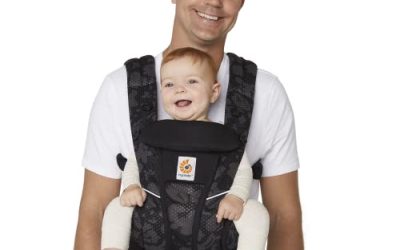
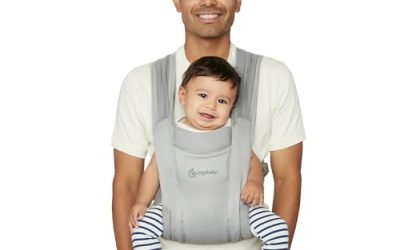
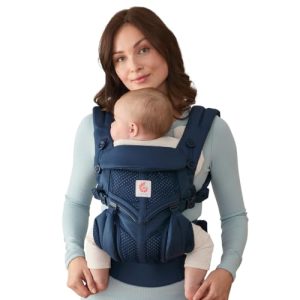
Upright positioning is the single most important factor for a preschooler with reflux, because gravity helps keep stomach contents down while a slumped or folded posture does the opposite. Choose a carrier with a tall, firm panel that holds the chest upright without letting the shoulders round, and check the fit from the side. The waistband should sit on your hips, not across the child’s belly, and the panel should never press into the stomach when you tighten the straps. If your child slides down during a walk, stop and reposition instead of pulling the straps tighter, since a low seat squeezes the belly and can trigger spitting up.
Pick a Carrier Built for a Preschooler’s Size
A preschooler is between thirty and forty-five pounds, so a standard infant carrier will not fit, and a toddler carrier may still be too short. Look for a preschool or toddler-sized carrier with a wide seat, a tall back panel, and straps that adjust far enough to hold a bigger child close. Check the weight range on the carrier label: most carriers list a minimum weight of seven pounds, which a preschooler far exceeds, while the maximum weight is the number that matters here. Try it on with your child at home first, and walk around for ten minutes to see whether the panel stays tall and the waistband stays put.
Time Carries Around Meals and Symptoms
When you carry matters as much as which carrier you choose, because a full stomach and a snug waistband are a poor combination. Wait at least thirty minutes after a meal or a large snack before carrying your preschooler, and longer if the meal was heavy or your child has spit up recently. Keep a burp cloth handy on the first few carries and watch for coughing, arching the back, or asking to get down. If symptoms show up every time despite waiting, shorten the carry and note the pattern for your pediatrician, since timing alone may not be enough.
Ask Your Pediatrician Before You Change the Carry
Reflux that lasts into the preschool years is worth a medical conversation, and a carrier change should never replace one. A pediatrician can check whether the reflux is simple spit-up or something that needs treatment, and can tell you whether upright carrying is safe or which positions to avoid. A physical therapist can also show you how to position your child so the chest stays open and the belly stays free, and can watch you put the carrier on. Bring the carrier to the appointment, and describe when symptoms appear, such as after meals or on bumpy walks. Guidance from a clinician protects your child far better than any carrier feature.
Which One Fits Your Situation
Your Preschooler Spits Up After Every Meal
Choose a carrier with a tall panel and a waistband that sits low on your own hips, away from your child’s stomach. Wait at least thirty minutes after eating before you carry, keep the first carries short, and carry a cloth for cleanup. If spitting up follows every meal despite upright positioning and waiting, tell your pediatrician, since daily symptoms at this age should be checked.
You Need a Back Carry for a Heavy Preschooler
A back carry suits a preschooler over thirty pounds, because it centers the weight on your hips and shoulders. Practice at home with another adult spotting you, and check that the panel holds your child upright rather than tipping the shoulders backward. Keep the chest strap snug so the straps do not slip, and reposition if your child slumps to one side, since a lopsided seat can press the belly.
Your Child Complains of Heartburn on Walks
Pick a carrier that lets you loosen the panel slightly and shift your child higher on your back or chest, so nothing presses on the stomach while you walk. Avoid tight waistbands, heavy layers under the carrier, and long uphill stretches right after a snack. Keep walks calm and steady, and cut the outing short if the burning feeling keeps returning.
You Are Waiting for a Pediatrician Appointment
While you wait, use the carrier you already own, keep carries short and upright, and avoid carrying after meals. Note each meal time, carry time, and any symptoms that follow, so you can give the pediatrician a clear pattern. Do not buy a new carrier hoping it will fix the reflux, and do not try medicines without medical advice. A short log and a few calm carries are the best steps.
Common Mistakes
- Carrying right after a meal, when a full stomach and a snug carrier are most likely to trigger spitting up.
- Tightening the waistband across the child’s belly instead of seating it on your own hips.
- Using an infant-sized carrier for a preschooler, so the panel is too short and the child slumps forward.
- Ignoring daily reflux symptoms in a three- to five-year-old instead of asking a pediatrician about them.
- Letting a child slide low in the carrier and stay there, which bunches the seat and squeezes the stomach.
Frequently Asked Questions
Can I carry a preschooler with reflux on my front?
Yes, a front carry can work if the panel keeps the chest upright and the waistband sits on your hips rather than on the child’s belly. Many parents switch to a back carry past thirty pounds, since it centers the weight better. Whichever position you choose, check the fit from the side and ask your pediatrician if symptoms appear.
How long should I wait after a meal before carrying?
Wait at least thirty minutes after a meal or a large snack, and longer after a heavy meal or recent spit-up. A calm, upright carry after that window is the safest test, and you can shorten it if coughing or arching starts. If symptoms show up every time despite waiting, talk to your pediatrician before continuing with regular carries.
Is a back carry better than a front carry for reflux?
A back carry is better because it keeps the child upright, centers a heavier body on your hips, and leaves no waistband pressing on the belly. A front carry can work just as well if the fit is right, so position matters less than upright posture and no belly pressure. Practice it at home first, with another adult nearby.
When should I stop carrying and call the pediatrician?
Call your pediatrician if reflux happens daily, if your child refuses food, loses weight, coughs or chokes often, or complains of pain when swallowing. Stop the carry and seek care sooner if breathing looks labored or your child vomits forcefully. Ongoing reflux in a preschooler deserves a medical check, and a carrier change is not a substitute for that visit.
FAQ
Can I carry a preschooler with reflux on my front?
How long should I wait after a meal before carrying?
Is a back carry better than a front carry for reflux?
When should I stop carrying and call the pediatrician?
More from Amazon
Programs that pair well with the guide above. Offers and eligibility are set by Amazon and may change.
Build one list of everything you need for the new arrival and share it with family and friends.
Create a baby registrySet up recurring deliveries of everyday items on eligible products. Terms and savings are set by Amazon.
Explore Subscribe & SaveFree shipping on eligible items, Prime Video and more. Eligible new members can start with a free trial.
Start a Prime free trialAudiobooks and podcasts to listen to on the go. Eligible new members can start with a free trial.
Try Audible freeAs an Amazon Associate we earn from qualifying purchases.