Key takeaways
- How to choose a baby carrier for twins with asthma: breathable fabrics, tandem setups, airflow, fit checks, and habits that keep both babies comfortable.
As an Amazon Associate we earn from qualifying purchases.
Choosing a carrier for twins when one or both babies live with asthma is less about finding a single perfect model and more about matching airflow, fabric, and carrying setup to how your babies actually breathe and move through the day. A carrier that traps heat against a small chest can leave a baby flushed and fussy within minutes, while a setup that keeps air moving and lets you see both faces at a glance turns errands and walks into something manageable instead of stressful.
This guide is for parents of twins navigating asthma, whether the diagnosis is confirmed or still being explored with a pediatrician, and whether you plan to carry both babies at once or take turns with a partner. It walks through the decisions that matter most: fabric and ventilation, tandem versus two single carriers, fit for each baby, and daily habits that keep airways clear. When anything touches breathing directly, your pediatrician is the right person to ask first.
How to Choose Step by Step
Start With Airflow and Fabric
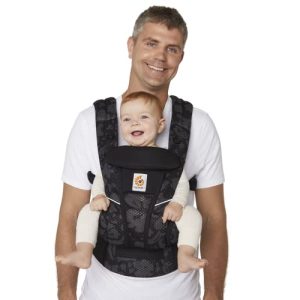
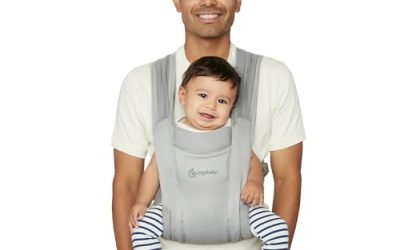
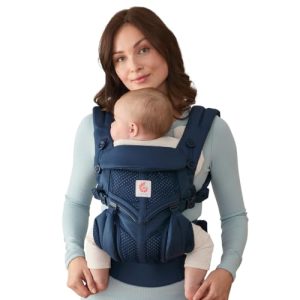
Fabric is the first filter, because it decides how much heat and moisture sit against each baby’s chest. Look for lightweight woven cotton, linen blends, or mesh panels over thick padded synthetics that hold warmth in. Hold the fabric up to light: if you can see a faint glow through the weave, air is likely moving through it. Check whether the panel covering the baby’s back can be rolled down or unzipped for ventilation, and whether the carrier dries quickly after washing. Avoid carriers treated with strong chemical finishes or heavy water-repellent coatings, and wash any new carrier before first use so loose fibers and factory residue are gone before it touches a sensitive airway.
Decide How You Will Carry Two Babies
Twins give you two broad setups. A tandem carrier holds both babies on one adult, usually one in front and one on the back, which frees the other adult but concentrates weight and heat in one place. Two single carriers, one worn by each adult, spread the load and give each baby its own airflow, but they only work when a second adult is there. Try both arrangements at home, and pay attention to how easily you can check each baby’s face, adjust a slipping strap, and lift one baby out without disturbing the other. If you mostly go out alone, a tandem setup with quick-release buckles deserves a closer look.
Check the Fit for Each Baby Separately
Twins rarely weigh the same or grow at the same pace, so a carrier that fits one can sit wrong on the other. Test the seat width and panel height against each baby, with knees higher than the bottom and the panel supporting the back without covering the chin or pressing on the chest. The fabric should feel snug enough to hold the baby close, never so tight that breathing looks labored or the chest cannot rise freely. Watch for shallow, fast breathing, flaring nostrils, or a baby who goes limp or unusually quiet, and loosen or remove the baby if anything looks off. Independently adjustable seats and straps save you from compromise when the twins differ by size.
Plan for Flare Days and Everyday Triggers
A carrier choice that works on a calm day can fail on a flare day, so build your routine around the triggers you already know. Keep outings short when pollen counts climb, air feels cold and dry, or either baby has a cold, and favor shaded routes away from traffic exhaust, bonfire smoke, and freshly cut grass. Carry a bag with the inhaler and spacer your pediatrician prescribed, plus a blanket you can drape loosely as a wind shield without covering faces. Wash carrier fabric regularly to clear dust, and store the carrier in a closed closet rather than near a laundry pile or pet bedding. Small habits like these matter more than any single feature on a label.
Which One Fits Your Situation
One Twin Has Asthma and the Other Does Not
When only one twin needs extra airflow, choose a setup that treats the two babies differently. Two single carriers work well here, since you can give the twin with asthma the most breathable panel while the other rides in any carrier. If you carry both at once, put the twin with asthma in front where you can watch breathing, and keep the other on your back. Separate ventilation panels keep one baby cool without chilling the other.
Both Twins Have Asthma
When both babies need air, ventilation decides every piece of gear. Favor mesh or linen-blend carriers over padded models, and choose two single carriers worn by two adults when possible, since tandem setups stack two warm bodies against one adult. Keep outings short and plan rest stops indoors or in shade, and carry each baby’s inhaler and spacer in a bag you can reach without removing a carrier. Ask your pediatrician which warning signs to watch for on longer walks.
You Carry Twins Alone Most of the Day
Solo carrying needs a setup you can put on and remove without help. Look for a carrier with buckles, one-handed waist straps, and a back panel you can load while seated. Practice at home over a bed or sofa until it feels automatic, with a mirror to check the baby on your back. A carrier needing five minutes and a second pair of hands will sit unused, so speed and simplicity matter as much as airflow for a solo parent.
You Mostly Carry on Walks and Outdoors Outings
Outdoor families should weigh ventilation against weather protection. A roll-down mesh panel handles warm afternoons, while a hood or rain cover handles drizzle without sealing the baby in a hot pocket. Choose pale colors that absorb less sun, and test it on a walk rather than in a shop, watching how sweaty each baby’s back feels after twenty minutes. Bring water, plan shade breaks, and head home early if the air turns smoky or the wind picks up dust.
Common Mistakes
- Picking a thickly padded carrier for warmth and discovering it traps heat against both babies on the first warm day.
- Buying a tandem carrier online without testing whether you can reach, adjust, and remove the baby on your back alone.
- Tightening every strap until the babies sit flat against your chest, leaving no room for a chest to rise and fall freely.
- Skipping a trial walk and learning only on a busy street that one baby overheats while the other slides to one side.
- Carrying through smoke, dust, or strong perfume and assuming the carrier fabric will filter the air for the babies.
Frequently Asked Questions
Can I carry twins with asthma in one tandem carrier?
Yes, many parents do, but the setup needs more care than carrying a single baby. Choose a tandem carrier with breathable panels, independently adjustable seats, and quick-release buckles so you can reach either baby fast. Keep walks shorter at first, check both faces often, and carry the inhaler and spacer your pediatrician prescribed. If either baby breathes fast or looks uncomfortable, stop and take them out.
What fabric works best for babies with asthma?
Lightweight woven cotton, linen blends, and mesh panels work best because they let air move and dry quickly. Avoid thick padded synthetics and carriers with heavy chemical finishes that trap heat or shed fibers near small faces. Wash any new carrier before first use, and rewash it regularly. If a fabric makes you sneeze or smells strongly when new, it is not the right choice.
Should I stop carrying if a baby starts coughing?
Pause the walk and check the baby rather than pushing through. Loosen the carrier, lift the baby out, and watch breathing and color for a minute in fresh air. Use the inhaler and spacer as your pediatrician instructed if one was prescribed for episodes like this. Seek urgent care if breathing stays fast or labored, lips look blue, or the baby cannot settle. When in doubt, call your pediatrician.
At what age can twins ride in a carrier together?
That depends on each baby’s weight, neck control, and the carrier’s limits, so no single age fits every pair. Most tandem carriers list a minimum weight per seat, and both babies should hold their heads steady before riding on the back. Preterm twins and twins with breathing concerns need extra caution, and your pediatrician can confirm when each is ready. Start with sessions at home before trying an outing.
FAQ
Can I carry twins with asthma in one tandem carrier?
What fabric works best for babies with asthma?
Should I stop carrying if a baby starts coughing?
At what age can twins ride in a carrier together?
More from Amazon
Programs that pair well with the guide above. Offers and eligibility are set by Amazon and may change.
Build one list of everything you need for the new arrival and share it with family and friends.
Create a baby registrySet up recurring deliveries of everyday items on eligible products. Terms and savings are set by Amazon.
Explore Subscribe & SaveFree shipping on eligible items, Prime Video and more. Eligible new members can start with a free trial.
Start a Prime free trialAudiobooks and podcasts to listen to on the go. Eligible new members can start with a free trial.
Try Audible freeAs an Amazon Associate we earn from qualifying purchases.