Our Top Picks
 Kelty Journey PerfectFIT ELITE Child Carrier for InfantsOne Size28 x 15.5 x 22 inches5.99 poundsCheck on Amazon
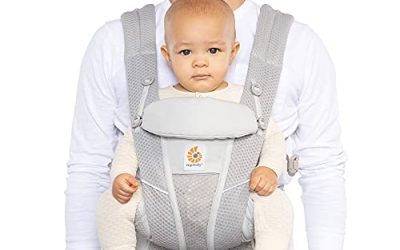
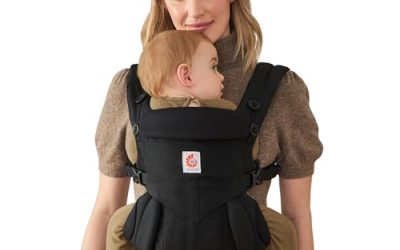
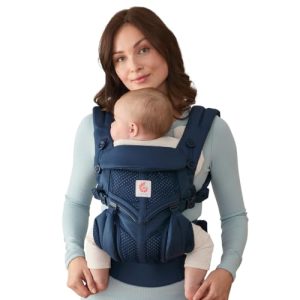
 Ergobaby Omni Breeze Baby Carrier All Carry PositionsOmni Breeze6.85 x 10.43 x 4.83 inchesCheck on Amazon
 Osprey Poco™ LT Lightweight Child Carrier BackpackOne Size16.9 x 13.8 x 23.6 inches5.56 poundsCheck on Amazon

Camping with a baby changes every decision about gear, and the carrier matters more than almost anything else you pack. A carrier that feels fine for a short walk around the block can turn into sore shoulders, a fussy child, and a cut-short hike once the trail climbs, the ground turns uneven, and the sun stays high for hours. The real choice is not which carrier looks most rugged, but which one fits your child’s size, carries your gear, and still feels comfortable after a full day moving between the tent, the trail, and the campfire.
This guide is for families heading out with a baby or toddler, from first-time campers to parents who already spend weekends outdoors. Each carrier below was picked from the name and listed features on its Amazon listing, so you can compare framed backpack carriers, breathable soft carriers, and toddler-sized options side by side and match one to the way your family actually camps.
Quick Picks
As an Amazon Associate we earn from qualifying purchases
| Product | Best for | Key spec from title |
|---|---|---|
| Osprey Poco Plus | Long trail days with a toddler | Child carrier backpack for travel with built-in sunshade |
| Kelty Journey PerfectFIT Elite | Carrying a child plus a full load of gear | 26L storage, aluminum frame, integrated sunshade |
| Ergobaby Omni Breeze | Breathable carrying around camp | SoftFlex mesh carrier for 7–45 lb with lumbar support |
| Osprey Poco LT | Shorter trails and lighter packing | Lightweight, compact framed carrier with sunshade |
| Baby Tula Explore | One carrier from baby to toddler | Adjustable carrier for 7–45 lb with multiple carry positions |
How to Choose
Match the carrier to your child’s age and weight
Framed backpack carriers are built for babies who can sit up on their own, usually from around six months, while soft structured carriers can fit younger babies when the seat width and panel adjust down far enough. Check the minimum and maximum weight on the listing before you buy, and measure it against your child now, not the size you hope they will be by summer. A toddler near the top of a carrier’s limit will feel heavier on a climb, and a baby below the minimum will sit too low for safe, upright positioning. If two children of different ages will share the carrier across the season, pick the one whose limits cover both.
Decide between a framed backpack and a soft carrier
A framed backpack carrier puts your child high on your back with a metal frame, a padded hip belt, and room for supplies, which suits longer walks on uneven trails where your arms need to stay free. The trade-off is bulk: it takes up real space in the car, and you need flat ground to set it down safely. A soft structured carrier folds small, works for front and back carries, and handles campsite jobs like cooking, fetching water, or settling a baby for a nap. Many families end up bringing both, using the frame for the trail and the soft carrier around camp.
Check sun, weather, and ventilation features
Open ground at a campsite leaves a baby exposed to sun for hours, so a built-in sunshade is one of the most useful features on a camping carrier, and a hat still matters underneath it. Mesh panels and ventilated back sections help both of you stay cooler on warm afternoons, while a carrier that traps heat will leave you both damp and uncomfortable by midday. Rain is the other half of the question: some framed carriers include a rain cover or a stowable hood, and if yours does not, pack a light cover so a sudden shower does not end the walk. Check what is actually included on the listing, since sun and rain accessories are often sold separately.
Think about storage, packing, and campsite chores
A camping carrier has to carry more than a child: diapers, wipes, snacks, a water bottle, a spare layer, and the small things you reach for constantly. Framed carriers usually offer the most storage, with zippered pockets and a main compartment, but every extra item adds weight on a climb, so pack only what the walk truly needs and leave the rest at the tent. Pockets you can reach without taking the carrier off are worth more than a bigger compartment buried behind the frame. Also think about the jobs after the walk: a carrier that is quick to take on and off makes camp chores, mealtimes, and bedtime far easier.
The 5 Best Options
Osprey Poco Plus

The Poco Plus is the framed carrier to pick when the trail is the main event and your toddler will ride for hours. Its built-in sunshade keeps the sun off your child on open ground, the adjustable fit lets the frame settle onto your torso, and the backpack design leaves your hands free for poles, a map, or a small hand on a tricky step. Its pockets hold snacks and a spare layer without a second bag. It suits families who hike most of the day and want one carrier that handles the trail, the viewpoint stop, and the walk back to the tent.
Specs
- Framed child carrier backpack for travel
- Built-in sunshade
- Adjustable fit for the wearer
Best for: Long trail days with a toddler who rides for hours.
Watch out for: Check the minimum age and weight on the listing, and confirm the frame fits your torso before a long trail day.
Kelty Journey PerfectFIT Elite
The Journey PerfectFIT Elite is the workhorse for families who carry a child and a full load of gear on the same walk. Its aluminum frame and padded hip belt spread the weight, the 26L of storage swallows diapers, snacks, and layers, and the integrated sunshade is always there when the trail leaves the trees. The suspension adjusts while you wear it, so two parents of different heights can share it without a long refit at every handover. It is a big, sturdy pack, so it fits best on trips where the walking is the point and the car has room for a framed carrier.
Specs
- 26L storage capacity
- Aluminum frame
- Integrated sunshade
- 5-point safety harness
- Adjustable suspension with hip belt
Best for: Families who carry a child and a full load of gear on the same walk.
Watch out for: It is a large, heavy pack when fully loaded, so check the folded size against your car space.
Ergobaby Omni Breeze
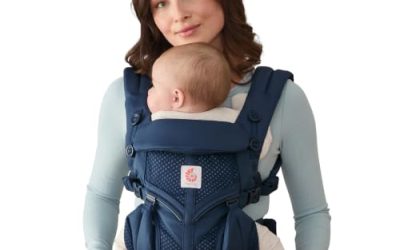
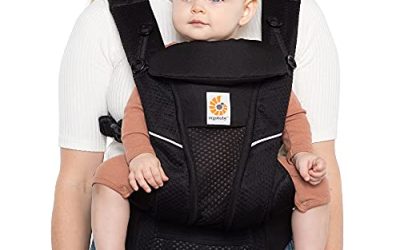
The Omni Breeze is the soft carrier for the hours around camp, when a framed pack would be overkill and your baby still wants to be close. Its SoftFlex mesh panel and airflow design keep both of you cooler on warm afternoons, the enhanced lumbar support takes the strain on longer carries, and the 7 to 45 lb range means it covers a baby from the early months through toddlerhood. Four carry positions let you switch from front to back as the day changes. It folds down small in the tent, handles dusty days well, and works for quick trips to the water tap or the camp store.
Specs
- SoftFlex mesh with airflow design
- Enhanced lumbar support
- Fits 7 to 45 lb
- Four carry positions
- Pearl Grey color option
Best for: Breathable, close carrying around camp on warm days.
Watch out for: Confirm the seat width setting for your baby’s size, and check that the mesh panel suits the weather where you camp.
Osprey Poco LT
The Poco LT is the lighter framed option for families who want a real backpack carrier without hauling the biggest frame on the trail. Its compact, travel-ready shape still includes a sunshade and an adjustable fit, so your toddler rides shaded and secure while you keep your hands free. The slimmer frame suits shorter walks, day trips from a base camp, and cars that are already packed to the roof. It is the pick when the trail matters but the trip is short, the terrain is gentle, and you would rather carry less weight on your own back.
Specs
- Lightweight child carrier backpack
- Compact, travel-ready design
- Built-in sunshade
- Adjustable fit
- Red Mountain color option
Best for: Shorter trails and trips where packing light matters.
Watch out for: The lighter frame carries less storage than full-size framed carriers, so check the pocket space against your packing list.
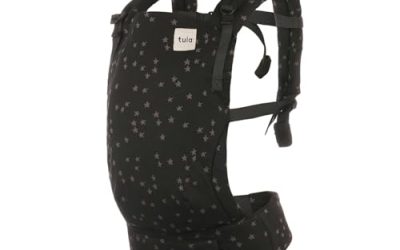
Baby Tula Explore
The Tula Explore is the one-carrier answer for a camping trip with a younger child, covering the range from 7 to 45 lb in a single soft structured carrier. Its adjustable width settings and head support let the same carrier fit a small baby facing in and, later, a toddler on your back, while the forward-facing option keeps a curious little one happy on easy paths. Mesh panels help with airflow on warm days, and the padded straps and lumbar support spread the load on longer walks. It packs small, so it earns its place even when the framed carrier does the heavy trail work.
Specs
- Fits 7 to 45 lb
- Multiple carry positions, including forward-facing and back carry
- Adjustable width settings
- Adjustable head support
- Lumbar support for longer carries
Best for: One soft carrier from a younger baby through toddlerhood.
Watch out for: Check the weight range and the carry-position limits for your child’s age before you buy.
Which One Fits Your Situation
Multi-day camping with a toddler who walks and rides
Pick the Osprey Poco Plus. A toddler who walks part of the trail and rides the rest needs a seat that is quick to load and comfortable for long stretches, and the Plus gives you the sunshade, the adjustable fit, and the storage for a full day out. When your toddler wants to walk, the empty frame still carries the gear, so nothing gets left behind on the trail.
A baby who still naps in the carrier at camp
Pick the Ergobaby Omni Breeze. Around camp, a baby who naps against your chest needs a soft, breathable carrier rather than a frame, and the mesh panel keeps naps comfortable on warm afternoons. The lumbar support helps during the long, still hours of a nap, and the front carry keeps your baby close while you make lunch or tidy the tent.
Two parents sharing one carrier on the same trip
Pick the Kelty Journey PerfectFIT Elite. Its suspension adjusts while you wear it, so a taller parent and a shorter parent can hand the carrier over without stopping to rebuild the fit. The padded hip belt and the 26L of storage spread the load fairly, which matters when the carrier is on someone’s back for most of the day.
A short overnight where packing light matters
Pick the Osprey Poco LT or the Baby Tula Explore. The Poco LT gives you a framed carrier with a sunshade in a lighter, more compact shape that leaves room in the car, while the Tula Explore folds down to almost nothing and covers the baby’s whole weight range. Either one keeps the packing list short for a single night under canvas.
Common Mistakes
- Buying a framed carrier without checking the child’s minimum age and weight, and the head control the listing asks for
- Skipping sun protection and assuming tree cover will last the whole walk
- Overloading the storage pockets until the pack pulls you backward on a climb
- Choosing a carrier that only one parent can adjust comfortably, then struggling at every handover
- Heading out without practicing loading, unloading, and strap adjustments at home first
Frequently Asked Questions
Can I use a framed backpack carrier for a baby under six months?
Usually not. Framed carriers are made for babies who can sit up on their own, and the listing will state a minimum age and weight, often around six months and a set minimum weight. For a younger baby, use a soft structured carrier with a newborn-ready setting, and move to a frame once your baby meets the minimums and holds their head up steadily.
Do I need a separate rain cover for a camping carrier?
Check the listing first, because some framed carriers include a rain cover or a stowable hood and others do not. If yours does not include one, pack a light cover that fits the frame, since mountain weather can change fast and a wet child cools down quickly. A small cover weighs almost nothing and can save a walk.
How do I keep my baby cool in a carrier on warm days?
Choose a carrier with mesh panels and a ventilated back, dress your baby in a single light layer, and use the sunshade plus a hat for shade. Take breaks in the shade, offer water often for a toddler, and watch for flushed cheeks or fussiness, which are signs to stop, cool down, and rest before you carry on.
Can a soft structured carrier work for camping, or do I need a framed one?
A soft structured carrier works well for campsite life, short walks, and carrying a younger baby, especially a breathable mesh model. For longer walks on rough ground with a toddler, a framed carrier is usually more comfortable because the frame and hip belt carry the weight and the storage holds the gear. Many families pack both.
FAQ
Can I use a framed backpack carrier for a baby under six months?
Do I need a separate rain cover for a camping carrier?
How do I keep my baby cool in a carrier on warm days?
Can a soft structured carrier work for camping, or do I need a framed one?
More from Amazon
Programs that pair well with the guide above. Offers and eligibility are set by Amazon and may change.
Build one list of everything you need for the new arrival and share it with family and friends.
Create a baby registrySet up recurring deliveries of everyday items on eligible products. Terms and savings are set by Amazon.
Explore Subscribe & SaveFree shipping on eligible items, Prime Video and more. Eligible new members can start with a free trial.
Start a Prime free trialAudiobooks and podcasts to listen to on the go. Eligible new members can start with a free trial.
Try Audible freeAs an Amazon Associate we earn from qualifying purchases.