Key takeaways
- Learn how to use a baby carrier safely for flat head syndrome: positioning, head support, helmet tips, and when to ask your pediatrician first.
As an Amazon Associate we earn from qualifying purchases.
A baby with flat head syndrome spends much of the day lying down, and every hour on the back of the head adds pressure to the flattened spot. A carrier changes that by holding your baby upright, chest to chest, with the back of the head free. The key is carrying in a way that keeps the flattened area unloaded while the neck and spine stay supported. Used well, a carrier becomes one more tool in your pediatrician’s daily routine, alongside supervised tummy time and varied sleep positioning.
This guide is for parents whose pediatrician or physical therapist has already discussed positional plagiocephaly or brachycephaly with them, including babies who wear a cranial helmet. It covers choosing a carry, positioning your baby, and spotting signs that something needs adjusting. It does not diagnose flat head syndrome or promise to correct it. Always follow your own clinician’s advice first, and ask before carrying a baby under 8 pounds, since most carriers set a minimum weight of 7 pounds.
How to Use It Step by Step
Get the All-Clear From Your Pediatrician First
Before you change how you carry your baby, bring the carrier to your next appointment and ask your pediatrician or physical therapist to watch you put it on. They can confirm whether your baby’s head shape, neck strength, and any helmet fit allow front carrying right now, and tell you how long each carry should last. Some babies need a short trial period before longer carries. Ask specifically about the flattened side, because your clinician may want you to favor one position or avoid another. Write down the time limits they give you and treat them as the rule that overrides this guide, since a carrier never replaces medical care.
Choose a Front Carry With Even Head Support
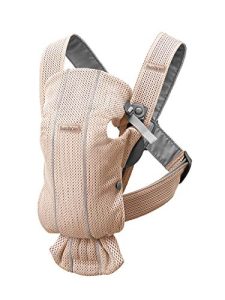
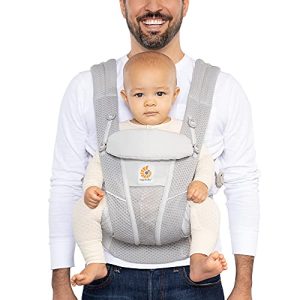
Start with a front inward-facing carry in a soft structured carrier or a well-tied wrap, because both hold your baby upright with the head centered, not resting on a flat surface. Look for a wide, padded panel that supports the neck without pushing the chin to the chest, plus a headrest or hood you can fold up for sleep and down when your baby is awake. A ring sling can work for short carries, yet its one-shoulder design makes the head harder to keep centered. Skip back carries until your baby can sit unaided and your clinician agrees, and skip forward-facing carries while the head is still flattening, because the face-out position presses the head against a panel.
Position Baby High, Snug, and Slightly Off the Flat Spot
Put the carrier on first, then settle your baby in close enough to kiss, with knees higher than the bottom. The head should rest against your chest with the face visible and the nose and mouth clear of fabric. If the flat spot sits on the right side of the head, turn your baby’s face toward the left so the flattened area carries no weight. Tighten the waist belt at hip level, then the shoulder straps, until the fabric hugs your baby without slack, because loose fabric lets the head flop and reload the same spot. Check the chin: two fingers should fit between the chin and the chest, and the head should not tilt far back.
Check, Adjust, and Rotate Positions Through the Day
A good carry is not set-and-forget, so check your baby every fifteen to twenty minutes, especially during the first weeks. Watch for the head drifting back onto the flat spot, the chin dropping toward the chest, or the body sliding down. Vary the hold each time: alternate the side the head turns toward, switch between the carrier, supervised tummy time, and held upright time, and keep the carrier as one part of a varied day. If the flattening looks worse, the head tilts to one side even out of the carrier, or your baby resists turning one way, call your pediatrician or therapist before the next appointment.
Which One Fits Your Situation
A Newborn Under 8 Pounds
Babies under 8 pounds need extra caution, because most carriers set a minimum weight of 7 pounds and even an insert may leave the head unsupported. Ask your pediatrician or physical therapist before carrying a baby this small. Keep carries short, keep the head centered, and stop if the chin drops. A wrap often fits a tiny baby better than a structured carrier, yet only if you can tie it snugly enough to stop the head wobbling.
A Baby Wearing a Cranial Helmet
Size the carrier with the helmet on, and loosen the headrest so it does not press the helmet edge into the skin. Pick a carrier whose headrest folds fully down, since a fixed high headrest can push the helmet forward. Check the skin where the helmet and carrier meet after every carry for red marks that last more than a few minutes. Ask your orthotist whether the helmet should stay on during carries, and follow their answer over this guide.
A Baby Who Only Sleeps in the Carrier
Some babies with flat heads sleep best upright in a carrier. Keep the face visible at all times, and never pull a hood or blanket over the head to block light. Check breathing and head position every fifteen minutes, and move your baby to a flat sleep surface on the back once you are home. Ask your pediatrician how much carrier sleep is appropriate, since very long stretches in one position can tire the neck muscles.
An Older Baby Who Favors One Side
When a baby always turns the head the same way, the flat spot can deepen even in a carrier, so make the other side just as inviting. Turn your baby’s face toward the less favored side at the start of each carry, and put interesting sights on that side. If the preference does not loosen over a few weeks, or the head tilt grows more obvious, ask your therapist for a new exercise plan.
Common Mistakes
- Carrying with the head resting on the flat spot for hours, which reloads the same area the treatment plan is trying to unload.
- Letting the carrier hang loose so the head flops to one side and the chin drops toward the chest.
- Using a forward-facing carry while the head is still flattening, which hides the face and presses the head against the panel.
- Skipping the pediatrician or physical therapist check and treating the carrier as a treatment on its own.
- Keeping a baby in the carrier all day with no tummy time, held time, or changes of position.
Frequently Asked Questions
Can a baby carrier help flat head syndrome?
A carrier can help by keeping your baby upright and off the back of the head for part of the day. It works best as one part of a plan your pediatrician sets, with supervised tummy time and varied sleep positions. A carrier alone does not reshape the skull, so keep your follow-up appointments and ask your clinician if the progress matches what you see at home.
How long can my baby stay in a carrier each day?
There is no single safe number, because the right length depends on your baby’s age, neck strength, and helmet use. Many families start with carries of twenty to thirty minutes and build up as the baby tolerates them. Check the head and chin position every fifteen minutes, and stop early if your baby fusses or slumps. Ask your pediatrician for a daily limit that fits your baby.
Should my baby wear a helmet inside the carrier?
Most babies keep the helmet on during carries, because the helmet protects the skull while the carrier simply holds the baby upright. Put the helmet on first, then the carrier, and make sure no strap or headrest presses on the helmet edge. If the helmet shifts, rubs, or makes your baby cry, take the carrier off and call your orthotist or pediatrician before trying again.
What if my baby only turns the head one way in the carrier?
A strong one-sided preference often points to tight neck muscles, so do not force the head to the other side. Start each carry with the face turned toward the less favored side, and use your physical therapist’s stretches outside the carrier. If the preference stays the same after a few weeks, or the head tilts even lying down, book a check with your pediatrician or therapist soon.
FAQ
Can a baby carrier help flat head syndrome?
How long can my baby stay in a carrier each day?
Should my baby wear a helmet inside the carrier?
What if my baby only turns the head one way in the carrier?
More from Amazon
Programs that pair well with the guide above. Offers and eligibility are set by Amazon and may change.
Build one list of everything you need for the new arrival and share it with family and friends.
Create a baby registrySet up recurring deliveries of everyday items on eligible products. Terms and savings are set by Amazon.
Explore Subscribe & SaveFree shipping on eligible items, Prime Video and more. Eligible new members can start with a free trial.
Start a Prime free trialAudiobooks and podcasts to listen to on the go. Eligible new members can start with a free trial.
Try Audible freeAs an Amazon Associate we earn from qualifying purchases.