Key takeaways
- Learn how to front carry a toddler safely, from weight limits and M-position fit to facing in or out and strap setup for heavier, wigglier little ones.
As an Amazon Associate we earn from qualifying purchases.
A toddler who still wants to be carried is a very different passenger from a newborn. The child is heavier, taller, stronger, and far more determined to twist around, point at everything, and suddenly go limp or arch backward. Many parents keep using the same front carry they used in the early months and then wonder why their shoulders ache, the child slides down within minutes, or the whole setup feels unsafe on stairs and in crowds.
This guide is for parents and caregivers who front carry a child roughly between one and three years old and want to do it well. It walks through the checks that matter most at this age: the carrier weight limit, the seated position, the choice between facing in and facing out, and how to set the straps for a heavier child. The advice draws on standard safe babywearing guidance and the instructions that come with most soft structured carriers.
How to Choose
Check the Weight Limit and Panel Size First
Before anything else, confirm that your carrier suits your toddler and that the panel still fits the child. Most structured carriers list a maximum weight on the label or in the manual, and many toddler-sized models allow a higher weight than standard models, so check the number rather than guessing. A panel that is too narrow lets long legs dangle straight down instead of resting in a supported seat, while a panel that is too short leaves the child with nothing behind the back. Check that the fabric reaches the back of each knee. If the child is close to the limit or the panel no longer spans knee to knee, the carrier is no longer the right size.
Keep the M-Position as Legs Get Longer
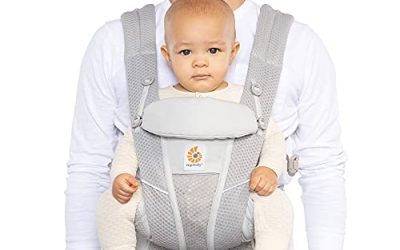
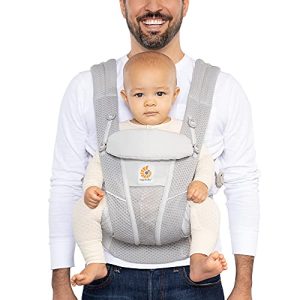
The seated position matters more with a toddler, because longer, heavier legs pull harder on the hips. Aim for the knees to sit higher than the bottom, with the thighs supported by the carrier fabric so the legs form a wide M shape. The bottom should be the lowest point of the seat, deep in the carrier, not perched on the panel edge. Tighten the waistband first, settle the child down into the seat, then fasten the shoulder straps, and recheck the position after a few minutes of walking, since toddlers wriggle and the seat shifts. If the legs hang straight down or the child slides to one side, stop and reseat the child instead of carrying on lopsided.
Choose Facing In or Facing Out on Purpose
Facing inward is the default for a toddler front carry because it keeps the child close, supports the spine, and lets a tired child rest against your chest. Facing outward suits short stretches when a curious toddler wants to look around, but it works only when the child can sit upright alone, hold the head steady, and stay calm without leaning or twisting. Most manufacturers set a minimum age and weight for the outward position and a shorter time in it, so follow those limits rather than treating it as an all-day option. Watch the child closely while facing out, and turn them inward at the first sign of fussing, rubbing eyes, or slumping.
Set the Straps for a Heavier, Wigglier Child
A toddler front carry needs a firmer, higher waistband than a newborn carry, because the weight sits lower and pulls forward. Fasten the waistband snugly at your natural waist or just above the hips, where it will not slide down under the load, tightening it before you lift the child in. Then tighten the shoulder straps evenly, set the chest clip at a comfortable height across the shoulder blades, and adjust the straps until you can kiss the top of the head. The child should feel like part of your body, not a weight hanging off the front. Recheck the straps after a few minutes, since a bouncing, leaning toddler can loosen a setup that felt perfect at the start.
Which One Fits Your Situation
Short Trips Through Crowds and Queues
A front carry facing inward suits a short trip through a busy market, an airport queue, or a crowded street. The child stays within your outline, so you can move through gaps without a wide frame swinging behind you, and you can feel at once if the child shifts or reaches for something. Keep the carry short, keep both hands free for doors and rails, and put the child down before your shoulders start to burn.
When Your Toddler Wants to See Everything
A curious toddler who twists to look around is telling you the inward position bores them in that moment. A short outward-facing front carry works for a walk through a park or a zoo path, provided the child meets the size limits and you keep it brief. Stay on flat ground, keep a hand near the child when you bend down, and turn the child inward again before they tire, since an overtired toddler facing outward can become distressed quickly.
When Your Toddler Is Tired or Overwhelmed
A tired toddler needs closeness, not a view, so face the child inward and tighten the carry so the head can rest against your chest. The familiar pressure and your heartbeat help many children settle, and the inward position also shields them from noise, lights, and strangers reaching out. Slow your pace, speak softly, and check that the airway stays clear and the chin is not pressed down onto the chest.
When Your Back and Shoulders Start to Ache
Aching shoulders mean the waistband is too loose, the child sits too low, or the carry has gone on too long for a front position. Stop, retighten the waistband, lift the child higher, and even out the shoulder straps before deciding to continue. If the ache returns within a few minutes, end the front carry and switch to a back carry or a stroller for the rest of the outing, since pushing through discomfort makes the next carry harder.
Common Mistakes
- Using a standard-size carrier after the toddler has outgrown the panel, so the legs dangle and the seat no longer supports the thighs.
- Fastening the waistband loosely at the hips and letting the child slide down until the weight hangs from the shoulders.
- Keeping a toddler facing outward for long stretches, even after the child starts fussing, slumping, or rubbing tired eyes.
- Skipping the position check after the first few minutes, when a wriggling toddler has already shifted the seat to one side.
- Bending forward at the waist to pick things up instead of bending the knees, which tips a front-carried toddler forward.
Frequently Asked Questions
At what age can a toddler face outward in a front carry?
Most carriers allow the outward position only once a child can sit upright unaided and hold the head steady, which usually happens around six months, well before the toddler years. Even then, follow your own carrier manual for its minimum weight and age, keep outward carries short, and turn the child inward as soon as they show signs of tiredness or overstimulation.
How long can I front carry a toddler at a time?
There is no single time limit, because it depends on the weight of the child, the fit of the carrier, and your own strength. Many parents find thirty to sixty minutes comfortable for a front carry with a toddler, with a break to put the child down, reseat them, or switch positions. Stop sooner if your shoulders ache, the child slides down, or either of you feels uncomfortable.
Is front carrying bad for a toddler’s hips?
A front carry is not bad for the hips when the child sits in a seat, knees higher than the bottom and thighs supported from knee to knee. The risk comes from a seat too narrow or a child left dangling with straight legs, which is why panel width matters more as the child grows. If you are unsure, ask a babywearing educator to check the fit in person.
When should I switch from a front carry to a back carry?
Consider switching when the toddler regularly blocks your view of your feet, the front carry strains your lower back, or the child keeps leaning backward to look around. A back carry frees your front, keeps a heavier child closer to your centre of gravity, and often feels easier for longer walks. Many families use the front carry for short trips and the back carry for longer outings.
FAQ
At what age can a toddler face outward in a front carry?
How long can I front carry a toddler at a time?
Is front carrying bad for a toddler’s hips?
When should I switch from a front carry to a back carry?
More from Amazon
Programs that pair well with the guide above. Offers and eligibility are set by Amazon and may change.
Build one list of everything you need for the new arrival and share it with family and friends.
Create a baby registrySet up recurring deliveries of everyday items on eligible products. Terms and savings are set by Amazon.
Explore Subscribe & SaveFree shipping on eligible items, Prime Video and more. Eligible new members can start with a free trial.
Start a Prime free trialAudiobooks and podcasts to listen to on the go. Eligible new members can start with a free trial.
Try Audible freeAs an Amazon Associate we earn from qualifying purchases.