Key takeaways
- How to choose a baby carrier for a toddler with torticollis: neck support, carry positions, panel fit, weight limits, and when to ask a pediatrician.
As an Amazon Associate we earn from qualifying purchases.
Shopping for a carrier looks different when your toddler has torticollis. The tight muscle on one side of the neck pulls the head into a tilt, so a carrier that locks the head in place or presses the tight side can turn a walk into a miserable one. The real choice is not a brand name, but a panel shape and carry position that let your child rest the head near the middle, change sides, and keep the neck free instead of pinned.
This guide is for parents, grandparents, and caregivers of toddlers roughly one to three years old who still want to carry for walks, errands, travel, or tired legs at the end of the day. It walks through the features that matter for a tight neck, the positions worth trying, and the questions to raise with a pediatrician or physical therapist before you buy. Torticollis is a medical condition, so check with your child’s clinician first, and ask a specialist if your child weighs under 8 lb.
How to Choose Step by Step
Ask Your Pediatrician or Physical Therapist First
Before you compare carriers, ask the clinician treating your child’s torticollis what to look for and what to avoid. A physical therapist can say whether your toddler should ride on your back, your hip, or your front, how long one carry should last, and whether a position could work against the stretching exercises in the treatment plan. Bring the carrier to an appointment so the therapist can check the fit and adjust the straps with your child in it. This step matters most when the tilt is new or treatment recently changed. A carrier moves and comforts your child; it is not a treatment, and no carrier replaces the exercises or follow-up visits your clinician recommends.
Look for Neck Support You Can Adjust
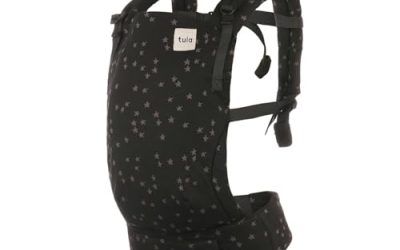
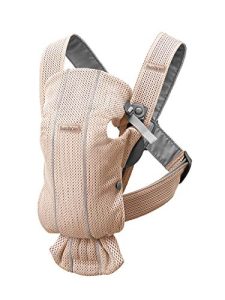
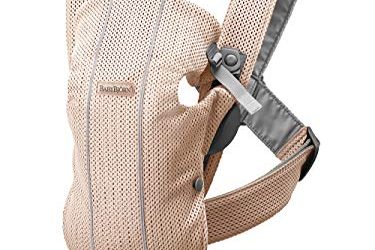
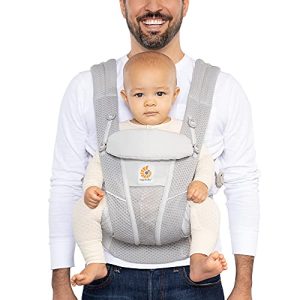
A toddler with torticollis needs head support that adapts, not a stiff panel that holds the head in one spot. Look for a neck support panel you can fold up, roll down, or tighten on one side, so the support meets your child where the head actually rests instead of forcing it toward the tight side. A soft, padded headrest beats a rigid one, because it cushions the head without pressing the neck into a fixed angle. Check that the support stays put once adjusted, since a panel that slips mid-walk can leave the head unsupported. If the carrier has a hood, make sure it tucks away completely, so it never bunches up behind the neck.
Pick a Carry Position That Keeps the Head Near the Middle
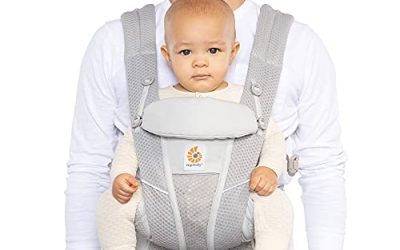
Position shapes how much freedom the neck gets, so try more than one before you settle. A back carry often works well for a toddler with torticollis, because the child can turn the head both ways without the panel pushing against the cheek. A hip carry can also help, since you can switch sides during the day and give the tight muscle a break. Front carries are trickier, because a high panel can press the chin toward the chest and hold the tilt in place. Whatever position you choose, watch for a few minutes: the head should sit close to the middle, the chin should stay off the chest, and the airway should stay clear and easy to see.
Check Panel Height, Seat Width, and Weight Limits
A toddler carrier has to fit a child, so measure the panel against your toddler, not the size label. The panel should reach the shoulder blades without covering the back of the head, so the head can move while the torso stays supported. The seat should be wide enough for the knees to sit higher than the bottom, with the legs spread comfortably instead of dangling down. Check the weight limits on the carrier and any insert, and confirm your toddler sits above the minimum weight of 7 lb. If your child weighs under 8 lb, ask a pediatrician or physical therapist before carrying. A carrier sized well above your toddler’s current weight leaves room to grow.
Which One Fits Your Situation
Your Toddler Tilts the Head to One Side During Carries
Choose a carrier with independent strap and neck-support adjustments, and favor a back or hip carry so your toddler can turn toward the open side. Switch the hip carry from one side to the other during the day, and re-check the head position each time you put the carrier on. If the tilt looks stronger after a carry, shorten the next one and tell your physical therapist.
Your Toddler Is in Physical Therapy and You Carry Every Day
Pick a carrier that is quick to put on and take off, with adjustments you can repeat exactly each time. Keep a short note of which position and how long each carry lasted, and bring that note to therapy visits so the therapist can spot patterns. Avoid any position the therapist flagged, even if it feels more comfortable for you.
Your Toddler Falls Asleep in the Carrier
Look for a carrier with a soft, fold-down headrest and a hood you can bring up gently for sleep. A sleeping toddler cannot correct a tilted head, so check the airway and the chin-to-chest gap before you keep walking. Keep naps in the carrier short, and move your toddler to a flat sleep surface once you are home.
Grandparents or Two Adults Share the Carrier
Choose a carrier with clearly marked straps and buckles that both adults can adjust without help, and write down each strap setting once the fit is right. Practice the handoff together at home first, with the physical therapist’s preferred position in mind. A shared carrier works only if both adults can get the same safe, neutral fit every time, so re-check the head position after every handoff.
Common Mistakes
- Buying a carrier with a tall, rigid panel that pins the head toward the tight side.
- Skipping the pediatrician or physical therapist visit before choosing a carrier.
- Carrying for long stretches without checking the head position and the airway.
- Choosing a carrier sized for an infant when a toddler needs a wider seat and taller panel.
- Assuming a carrier can stretch the tight muscle or replace therapy exercises.
Frequently Asked Questions
Can a baby carrier help correct torticollis?
No, a carrier cannot correct torticollis. The tight neck muscle needs stretching exercises and follow-up care from a pediatrician or physical therapist. What a good carrier can do is keep your toddler comfortable during everyday carries without holding the head in a tilted position. Choose a carrier that supports the neck gently and lets the head move, then keep up with the treatment plan your clinician gave you.
Is back carrying safe for a toddler with torticollis?
Back carrying is often a good fit for a toddler with torticollis, because the child can turn the head both ways and the panel does not press against the face. Ask your pediatrician or physical therapist first, since some children need a different position while treatment is active. Practice the move at home with another adult nearby until you can get your toddler in and out smoothly.
How long can I carry a toddler with torticollis?
There is no single time limit that fits every child, so follow the guidance your clinician gives you. A reasonable starting point is a short carry of twenty to thirty minutes, then a break to check the head position, the airway, and how your toddler seems. If your child looks uncomfortable, fussy, or more tilted than usual, end the carry and mention it at the next appointment.
What should I do if my toddler resists the carrier?
Stop and try again later instead of forcing the carry. A toddler who resists may be uncomfortable, tired, or unhappy with the position, and a struggle can tighten the neck further. Try a different carry position, a cooler time of day, or a shorter outing first. If the resistance keeps happening, raise it with your pediatrician or physical therapist before buying a different carrier.
FAQ
Can a baby carrier help correct torticollis?
Is back carrying safe for a toddler with torticollis?
How long can I carry a toddler with torticollis?
What should I do if my toddler resists the carrier?
More from Amazon
Programs that pair well with the guide above. Offers and eligibility are set by Amazon and may change.
Build one list of everything you need for the new arrival and share it with family and friends.
Create a baby registrySet up recurring deliveries of everyday items on eligible products. Terms and savings are set by Amazon.
Explore Subscribe & SaveFree shipping on eligible items, Prime Video and more. Eligible new members can start with a free trial.
Start a Prime free trialAudiobooks and podcasts to listen to on the go. Eligible new members can start with a free trial.
Try Audible freeAs an Amazon Associate we earn from qualifying purchases.