Key takeaways
- How to choose a baby carrier for a preschooler with torticollis: adjustable neck support, carry positions, weight limits, and when to ask a pediatrician.
As an Amazon Associate we earn from qualifying purchases.
A preschooler with torticollis needs a carrier that supports the neck without forcing the head into one fixed position. Torticollis tightens the muscle on one side of the neck, so the child often tilts the head toward that side, and a carrier that holds the tilt in place can make carrying uncomfortable. The real decision is not which brand to buy, but which carry position and panel shape let your child rest the head in a neutral spot, shift positions, and stay supported without pressure on the tight side.
This guide is for parents and grandparents of children aged three to five who still want to carry sometimes, whether for walks, travel, or tired legs. It covers the features that matter most for a preschooler with a tight neck, the carry positions worth trying, and the questions to raise with a pediatrician or physical therapist before you buy. Ask your child’s pediatrician or physical therapist first, especially if the torticollis is still being treated.
How to Choose Step by Step
Start With Your Pediatrician or Physical Therapist
Before you compare carriers, ask the clinician who treats your child’s torticollis what to look for and what to avoid. A physical therapist can tell you whether your child should be carried on the back or the hip, how long a single carry should last, and whether any position could work against the stretching exercises already in the treatment plan. Bring the carrier along, so the therapist can check the fit and adjust the straps. This step matters most when the tilt is new or treatment recently changed. A carrier is a comfort and transport tool, not a treatment, and no carrier can replace the exercises or follow-up visits your clinician recommends.
Look for Neck Support That Adjusts, Not Locks
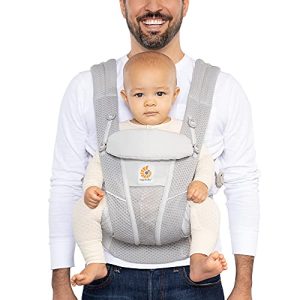
A preschooler with torticollis needs a headrest or neck support that can be raised, lowered, or folded away, rather than a stiff panel that pins the head in one place. Look for a soft, padded headrest with a simple snap, toggle, or strap adjustment, so you can add support when your child falls asleep and remove it when your child wants to look around. It should cradle the back of the head and leave the sides open, so the head can turn the other way. Avoid a rigid, high collar that presses on the tight muscle, and test the headrest at home first. If your child resists it or the tilt looks worse, stop and ask your physical therapist.
Choose a Wide Seat and a Tall Enough Panel
Preschoolers are heavier and taller than toddlers, so the seat and panel must fit the child’s current size rather than the size they were a year ago. A wide seat that supports the child from knee to knee spreads weight across the hips and keeps the legs seated comfortably, which helps the whole body stay balanced. The panel should reach at least to the shoulder blades, high enough to support the upper back without covering the neck. Check the weight range and confirm it covers your child’s weight with room to grow. Most full-size carriers list a minimum weight of 7 lb, so confirm the upper limit instead, usually between 45 and 60 lb for preschool-sized models.
Plan the Carry Position and the Weight Limit
For most preschoolers with torticollis, a back carry or a hip carry works better than a front carry, because the child can turn the head freely and rest it against your back or shoulder. A back carry also keeps your balance steadier with a heavier child, which matters on stairs and uneven ground. Practice at home with a second adult nearby the first few times, and keep early carries to fifteen or twenty minutes, so you can watch how your child holds the head. Check the stated weight limit and your own comfort first, and stop if your child complains of neck pain, cannot turn the head, or slumps to one side.
Which One Fits Your Situation
Your Child Is Still in Physical Therapy
If treatment is ongoing, choose a carrier with an adjustable, fold-away headrest and a hip or back carry option, so the position can change with the therapist’s advice. Bring the carrier to a session and ask the therapist to check the fit while your child sits in it and moves. Keep carries short and pair them with the home stretching routine your therapist assigned, rather than treating the carrier as a substitute for therapy or a shortcut around it.
Your Child Prefers One Side
When your child always tilts or turns toward the same side, pick a carrier that leaves the head free to move and lets you alternate the carry side. A hip carry makes it easy to switch sides during a walk, while a back carry lets the child look over either shoulder freely. Watch whether the tilt deepens during the carry, and mention any small change at the next pediatrician or physical therapy visit so the treatment plan can be adjusted.
You Need a Carrier for Long Walks and Travel
For longer outings, prioritize a wide padded waist belt, a tall, easily adjustable panel, and a weight limit well above your child’s current weight. Pack the carrier so you can set your child down for breaks, since even a comfortable carrier should not hold a preschooler with torticollis in one position for hours. A model that folds small helps when you switch between carrying and walking, and a pocket for water keeps breaks simple on the trail.
Grandparents or a Second Caregiver Will Carry Too
When more than one adult will carry the child, choose a carrier with simple, clearly marked adjustments that each person can set without help. Practice the back carry together at home first, agree on how long each carry should last in advance, and make sure everyone knows the warning signs to stop, such as neck pain, a deeper tilt, or the child slumping. Share the physical therapist’s guidance with every caregiver in person before the first outing together.
Common Mistakes
- Buying a carrier sized for babies and expecting it to support a preschooler’s height and weight for a full day out.
- Using a forward-facing front carry that limits head turning for a child with a tight neck muscle during a long carry.
- Tightening the headrest so firmly that the head cannot move or turn toward the other side at all.
- Carrying for hours without a break, leaving the neck held in one position for too long on a long trip.
- Skipping a check with the pediatrician or physical therapist when the tilt returns or worsens after a break from treatment.
Frequently Asked Questions
Can a baby carrier help or worsen torticollis?
A carrier neither treats nor causes torticollis, but the wrong fit can hold a child’s head in a tilted position longer than is comfortable. A carrier with an adjustable headrest, a wide seat, and a back or hip carry position lets the head move more freely. If the tilt seems worse after carrying, stop using that position and ask your pediatrician or physical therapist.
Is back carry safe for a preschooler with torticollis?
Back carry is a good choice for preschoolers with a tight neck, because the child can turn the head in either direction and rest it against your back when tired. Practice at home first with another adult nearby, keep the first carries short, and check that the panel supports the upper back without pushing the head forward. Ask your physical therapist first if the torticollis is still under active treatment.
What weight limit should I look for in a preschool carrier?
Look for a carrier with an upper limit well above your child’s current weight, typically between 45 and 60 lb for preschool-sized models. Most full-size carriers list a minimum weight of 7 lb, so the upper limit is what matters for a three-to-five-year-old. If your child is under 8 lb, ask a pediatrician before using any carrier, since most carriers are designed for heavier children.
When should I stop carrying and call the pediatrician?
Stop the carry and call your pediatrician or physical therapist if your child has neck pain, cannot turn the head, slumps to one side, or develops a new or worsening tilt. Also seek advice if the torticollis returns after it had resolved, or if your child has fever, unusual stiffness, or another new symptom. A clinician can check whether the carrier, the fit, or something else needs to change.
FAQ
Can a baby carrier help or worsen torticollis?
Is back carry safe for a preschooler with torticollis?
What weight limit should I look for in a preschool carrier?
When should I stop carrying and call the pediatrician?
More from Amazon
Programs that pair well with the guide above. Offers and eligibility are set by Amazon and may change.
Build one list of everything you need for the new arrival and share it with family and friends.
Create a baby registrySet up recurring deliveries of everyday items on eligible products. Terms and savings are set by Amazon.
Explore Subscribe & SaveFree shipping on eligible items, Prime Video and more. Eligible new members can start with a free trial.
Start a Prime free trialAudiobooks and podcasts to listen to on the go. Eligible new members can start with a free trial.
Try Audible freeAs an Amazon Associate we earn from qualifying purchases.