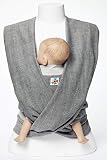
Our Top Picks
 Ergobaby Omni Classic Baby Carrier for Newborn toCool Air Mesh6.18 x 9.13 x 10.43 inches1.7 poundsCheck on Amazon
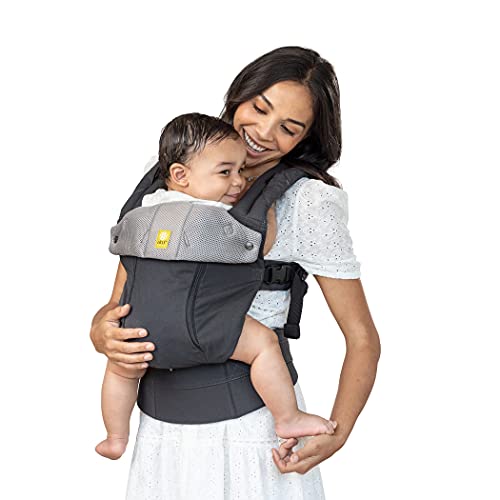 LÍLLÉbaby Complete All Seasons Ergonomic 6-in-1 Baby CarrierAdjustable, One Size1.1 poundsCheck on Amazon
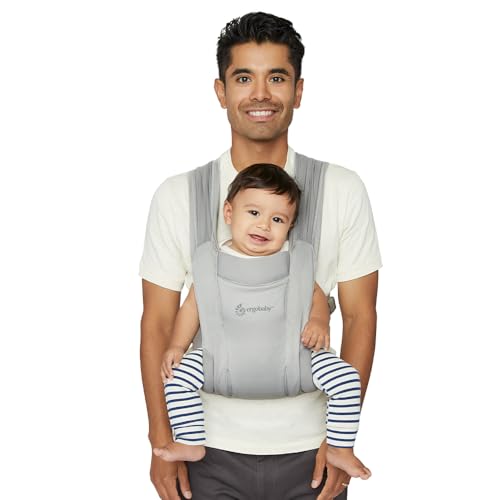 Ergobaby Embrace Newborn Baby Carrier for Infants 0-12Soft Air Mesh10.43 x 6.85 x 4.88 inchesCheck on Amazon

Carrying a grandchild with torticollis asks more of a carrier than an ordinary walk does. The baby’s head needs to rest near the midline instead of flopping toward the tight side for an entire afternoon, yet the carrier still has to go on easily with stiff hands, a sore back, and nobody else at home to help with the straps. A carrier that holds the head gently and lets you switch sides is worth far more than one with extra padding you never adjust.
This guide is for grandparents who look after a grandchild in physical therapy for torticollis, and for parents picking a carrier a grandparent can truly manage alone. Every carrier below was chosen from its Amazon listing name and specifications, starts at seven pounds, and gives head support a grandparent can adjust with one hand. A carrier never replaces treatment, so ask your grandchild’s pediatrician or physical therapist before carrying, and check with them first if the baby weighs under eight pounds.
Quick Picks
As an Amazon Associate we earn from qualifying purchases
| Product | Best for | Key spec from title |
|---|---|---|
| Baby Tula Free-to-Grow | One soft cotton carrier from newborn to toddler | 7 to 45 pounds, adjustable panel |
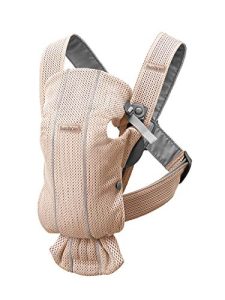
| BabyBjörn Baby Carrier Harmony, 3D Mesh | A mesh carrier that fastens before the baby goes in | 3D mesh, 7 to 40 pounds |
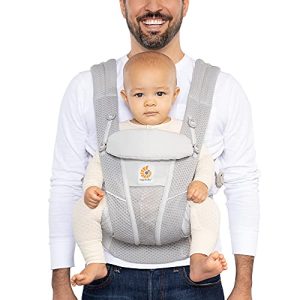
| Ergobaby Omni 360 Cool Air Mesh | Four positions with lumbar support for long days | Cool Air Mesh, 7 to 45 pounds |
| LILLEbaby Complete All Seasons | Six positions for changing the carry through the day | All Seasons, 7 to 45 pounds |
| Ergobaby Embrace | The softest close carry for a small baby | Ponte knit, 7 to 25 pounds |
How to Choose
Head Support That Keeps the Midline Without Pressing
A baby with torticollis tends to rest the head toward one side, so the carrier’s head support should steady the head near the center without pushing it or forcing a turn. Look for a panel or headrest you can raise, lower, and fold, and that stays put once set, because a floppy support lets the head slide back to the tight side within minutes. The support should cradle rather than clamp, and the baby’s chin must stay off the chest with the face always visible. Before your first carry, ask the physical therapist which head position to aim for and how long each carry should last.
Carry Positions That Let You Switch Sides
Torticollis care often includes encouraging the baby to look and rest toward the less favored side, and a carrier with more than one position makes that easier across a day. Front inward, hip, and back carries each rest the head differently, so switching positions keeps the baby from spending every outing tilted the same way. A hip carry is handy for short stretches when you want the head turned toward the open side, while a back carry suits an older baby on a longer walk. Keep each position short at first, watch the baby’s comfort, and ask the therapist which positions fit your grandchild’s plan.
Buckles and Straps an Older Pair of Hands Can Manage
Grandparents carry alone more often than parents do, so the carrier must go on without reaching behind the back while holding a baby. Front buckles that close before the baby goes in, a waist belt that clips at the front, and sliders that move with one hand all matter more than a long feature list. A wide waistband with lumbar support shifts weight onto the hips, which spares an older back and shoulders on walks that stretch past half an hour. Practice the whole routine at home with a doll or a rolled towel first, so the real carry feels calm instead of rushed.
A Weight Range That Starts at 7 Pounds
Every carrier in this guide starts at seven pounds, which is the minimum weight for safe carrying in these designs, and none of them needs an infant insert. That matters for a grandchild with torticollis, because inserts can bunch fabric around the neck and hide the head position you are trying to watch. A baby below eight pounds deserves extra care: ask the pediatrician first, confirm the leg openings narrow enough for a small baby, and keep early carries short and close to home. As the baby grows, check the listed maximum too, since a carrier outgrown by weight loses the snug fit that keeps the head centered.
The 5 Best Options
Baby Tula Free-to-Grow

The Free-to-Grow suits a grandparent who wants one soft cotton carrier from the first visits through the toddler years. Its panel adjusts in width and height with no infant insert, so the seat stays knee to knee as the baby grows and the head support rises with the child, which helps keep the head near the midline. Padded shoulder straps and a wide waistband spread the weight across the hips, easing an older back on longer walks, and the whole carrier is machine washable. Front and back carries let you change the position through the day instead of holding one pose for hours.
Specs
- Weight range: 7 to 45 pounds, newborn to toddler
- Carry positions: front and back
- Panel: adjustable in width and height, no infant insert needed
- Material: 100 percent cotton
- Support: padded shoulder straps and wide waistband
- Care: machine washable
Best for: Grandparents who want one soft cotton carrier from babyhood through toddlerhood with a panel that grows.
Watch out for: Baby Tula has renamed the Free-to-Grow as the “Prowl Original” on the brand site, so check the listing name and the 7 to 45 pound range before ordering; there is also no outward-facing or hip carry, so changing sides relies on front and back positions.
ASIN: B06XK45QHW
BabyBjörn Baby Carrier Harmony, 3D Mesh
The Harmony fits a grandparent who wants the carrier fastened before the baby is lifted in, since its front buckles open fully and close with the baby already settled. Adjustable head support steadies a head that cannot yet hold the midline, while the 3D mesh body moves air across the baby’s chest and back instead of trapping warmth. A padded waist belt and pressure-relieving shoulder straps share the load on longer carries, and the whole carrier goes in the washing machine. Note a range conflict: the Amazon listing gives 7 to 40 pounds, the brand site 7 to 33, so confirm the range before ordering.
Specs
- 3D mesh fabric, soft and breathable
- Fits babies from 7 to 40 pounds, newborn to toddler
- Four carry positions: newborn, facing-in, facing-out, and back
- Front buckles for quick on and off
- Adjustable head support
- Padded, pressure-relieving waist belt
- Acknowledged as hip-healthy in design
Best for: Grandparents who want a breathable mesh carrier that fastens first so the baby can be settled in gently.
Watch out for: The weight range conflicts between sources, with the Amazon listing at 7 to 40 pounds and the brand site at 7 to 33 pounds, so use the lower limit as your guide and check your grandchild’s weight before ordering.
ASIN: B0947B35TG
Ergobaby Omni 360 Cool Air Mesh
The Omni 360 gives a grandparent the most ways to vary the carry without buying a second carrier. Four positions cover facing in, facing out, hip, and back, so you can shift to a hip carry when you want the head turned toward the open side and back to facing in when you want to watch your grandchild’s face. The seat adjusts from narrow to wide, the mesh body moves air instead of trapping heat, and a lumbar support waist belt spreads the weight across your hips. It works without an infant insert, so the same carrier serves from the first weeks through the toddler years.
Specs
- Fits children from 7 to 45 lb, from newborn to toddler (0 to 48 months)
- Four carry positions: facing inward, facing outward, hip, and back
- Cool Air Mesh fabric for airflow
- Lumbar support with a padded waist belt
- One-handed slider adjustment for switching facing direction
Best for: Grandparents who need four positions and a cool mesh body for long, warm outings with a baby in therapy.
Watch out for: Check the seat width setting before each carry, since the wide setting can over-spread a small child’s legs, and confirm the head support is raised enough to steady a head that still tips to one side.
ASIN: B07B3VDLV9
LILLEbaby Complete All Seasons
The Complete All Seasons gives a grandparent the most ways to change the carry without buying a second carrier. Six positions cover front fetal, infant, outward, toddler, hip, and back, so the head can rest in a different direction from one outing to the next. A zip-down front panel reveals breathable mesh for warm days, the waist belt carries lumbar support for an older back, and the seat adjusts wide enough for knee-to-knee support as the baby grows. The seven-to-forty-five-pound range means it can serve from the first weeks through the toddler years.
Specs
- Weight range 7 to 45 pounds
- Carry positions six, including front fetal, infant, outward, toddler, hip, and back
- Zip-down front panel reveals breathable mesh
- Lumbar support built into the waist belt
- Adjustable seat width for knee-to-knee support
- Certified hip-healthy by the International Hip Dysplasia Institute
Best for: Grandparents who want six carry positions and lumbar support in one carrier that lasts from newborn to toddler.
Watch out for: Six positions mean more straps and settings to learn, so practice each position at home before using it out, and confirm the mesh panel is zipped to the setting you want.
ASIN: B08PPZ52C9
Ergobaby Embrace
The Embrace is the softest carrier in this guide, and that softness fits a grandparent who carries a small baby with torticollis for close, calm time around the house. Its padded head and neck support cradles the head without stiff edges pressing against the cheek, while the ponte knit fabric wraps close so the baby stays upright near the midline. The waist belt adjusts from twenty-two to fifty-four inches, so two grandparents of different sizes can share one carrier without rethreading straps. Weighing just over a pound, it is easy to lift, fold, and stash in a bag, and the whole carrier is machine washable.
Specs
- Weight range 7 to 25 pounds
- Age range newborn to 12 months
- Carry positions front inward and front outward
- Fabric soft ponte knit
- Head and neck support padded
- Waist belt adjusts from 22 to 54 inches
- Care machine wash
- Item weight 1.1 pounds
Best for: Grandparents who want the softest close carry with padded head and neck support for a baby under twelve months.
Watch out for: It has no hip or back carry, and the twenty-five-pound limit means a bigger baby may outgrow it before the first birthday, so check the weight on the listing against your grandchild’s growth.
ASIN: B09V5L89BR
Which One Fits Your Situation
Your Grandchild Is in Physical Therapy Several Times a Week
Pick the Ergobaby Omni 360 Cool Air Mesh or the LILLEbaby Complete All Seasons. Both offer several positions, so you can vary the carry between appointments instead of holding the same pose every time. The Omni 360 adds a one-handed slider for switching facing direction, while the LILLEbaby adds a fetal position for the smallest babies. Ask the therapist which positions fit the plan, then use the one that matches.
Your Hands Are Stiff and You Carry Alone
Pick the BabyBjörn Baby Carrier Harmony or the Ergobaby Embrace. The Harmony fastens fully before the baby goes in, so nothing needs clipping behind your back, and the Embrace uses a simple waist belt with soft fabric that needs little force to adjust. Both go on in under a minute once you have practiced, which matters when the baby is fussing and no one else is home to help.
Your Back Tires on Longer Walks
Pick the Ergobaby Omni 360 Cool Air Mesh or the Baby Tula Free-to-Grow. The Omni 360 adds a lumbar support belt and a hip carry for shifting the load during a long day, while the Tula spreads the weight across the hips with a wide waistband and padded shoulder straps. Both reach forty-five pounds so the support lasts into the toddler years.
Your Grandchild Is Under 8 Pounds or Still Very Small
Pick the Ergobaby Embrace or the BabyBjörn Baby Carrier Harmony. Both start at seven pounds with no insert, and both hold a small head with padded support you can adjust. Keep early carries short, keep the face visible, and ask the pediatrician before the first carry, since a baby under eight pounds needs a professional to confirm the fit.
Common Mistakes
- Carrying a baby below the carrier’s listed minimum weight of seven pounds, even for a short trip.
- Letting the head flop toward the tight side for a whole outing without checking the position.
- Facing a baby outward before the baby has steady head control and the pediatrician has cleared it.
- Tightening the carrier so much that fabric presses on one cheek or pushes the chin toward the chest.
- Skipping the physical therapist’s advice on carry positions and session length, and treating the carrier as treatment.
Frequently Asked Questions
Can a baby carrier help a baby with torticollis?
A carrier cannot treat torticollis, but it can support the work your grandchild’s therapist prescribes. A carrier with adjustable head support keeps the head near the midline during a walk, and several carry positions let you vary the direction the head rests. Always follow the therapist’s plan for stretches, positioning, and session length, and ask them which positions to use.
Should I carry my baby on the side they turn away from?
Many therapists suggest encouraging the baby to look toward the less favored side, and a hip carry can help with that for short stretches. The goal is gentle encouragement, never forcing the head or holding it in an uncomfortable turn. Ask your grandchild’s physical therapist which side and which position fits their plan before trying it.
How long can a grandparent carry a baby with torticollis each day?
No single safe length exists; it depends on the baby’s age, weight, and therapy plan. Start with short carries of fifteen to twenty minutes, check the head position often, and stop if the baby seems uncomfortable or the head keeps sliding to one side. Ask the pediatrician or physical therapist for a daily limit that fits your grandchild.
When should I ask the pediatrician about carrying my grandchild?
Ask before the first carry if the baby weighs under eight pounds, has a diagnosis beyond mild torticollis, or is still in early therapy. Also call if the head tilt worsens, the baby favors one side more than before, or feeding and sleep change. The pediatrician can confirm the carrier fits and adjust the plan as the baby grows.
FAQ
Can a baby carrier help a baby with torticollis?
Should I carry my baby on the side they turn away from?
How long can a grandparent carry a baby with torticollis each day?
When should I ask the pediatrician about carrying my grandchild?
More from Amazon
Programs that pair well with the guide above. Offers and eligibility are set by Amazon and may change.
Build one list of everything you need for the new arrival and share it with family and friends.
Create a baby registrySet up recurring deliveries of everyday items on eligible products. Terms and savings are set by Amazon.
Explore Subscribe & SaveFree shipping on eligible items, Prime Video and more. Eligible new members can start with a free trial.
Start a Prime free trialAudiobooks and podcasts to listen to on the go. Eligible new members can start with a free trial.
Try Audible freeAs an Amazon Associate we earn from qualifying purchases.