Key takeaways
- Learn how to carry a toddler with reflux: upright positioning, feeding timing, strap fit, and when to ask your pediatrician before you start carrying.
As an Amazon Associate we earn from qualifying purchases.
A toddler who spits up after every meal turns a walk into a gamble, and most parents wonder whether a carrier will calm the reflux or make it worse. The honest answer is that the carrier itself is rarely the problem. How upright your toddler sits, how tight the panel presses against the belly, and how soon after a feed you start carrying matter far more than the label on the straps. Get those three things right, and carrying can help, because an upright chest keeps stomach contents down instead of letting them slosh back up the throat.
This guide is for parents of toddlers between one and three whose pediatrician has talked through reflux, and for grandparents and caregivers who carry a toddler after meals. It walks through upright positioning, timing around feeds, and the fit checks that keep pressure off the stomach. Treat it as general information rather than medical advice, and ask your pediatrician before changing how you carry a toddler with diagnosed reflux.
How to Use It Step by Step
Check the Fit and the Weight Minimum First
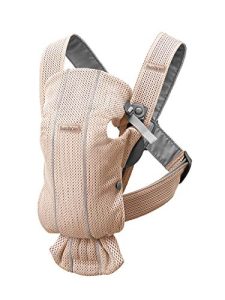
Before you put your toddler in, read the weight range on your carrier and confirm your child sits inside it. Most carriers list a minimum of 7 lb, which every toddler clears easily, but the maximum matters more at this age, so check it against your toddler’s weight. Next, look at the panel: it should reach from one knee pit to the other and support the back to the shoulder blades without covering the face. Fasten the waistband high on your waist, over your belly button, so it rests on your hips and not on your toddler’s stomach. A waistband that sits too low lets your toddler slide down and curl forward, which squeezes the belly and invites spit-up.
Wait After Feeds Before You Carry
Timing is the easiest lever you have. Feed your toddler, burp them, then wait 20 to 30 minutes before putting them in the carrier, because a full stomach pressed upright against a panel is far more likely to come back up. If your toddler asks to be carried after eating, hold them upright in your arms for a few minutes and let the feed settle. Short carries work better than long ones in the first hour after a meal, so plan quick trips and save longer outings for between meals. If your pediatrician has suggested smaller, more frequent feeds for reflux, follow that plan first, since a smaller feed puts less pressure on the stomach.
Set an Upright, Snug Position
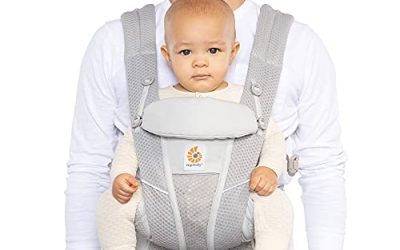
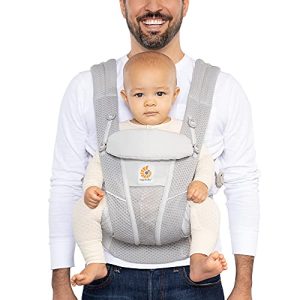
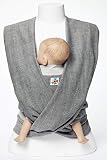
Put your toddler in a front carry facing toward you, which is the upright position most carriers offer. Settle their bottom in the seat so their knees sit higher than their bottom, with the panel supporting the back from knee to knee. Tighten the straps evenly, top and bottom, until the panel feels snug against your toddler’s back without pressing into the belly. Check the airway every time: you should see your toddler’s face, their chin should stay off their chest, and there should be room for two fingers between chin and chest. If the panel pushes the head forward or the chin tucks down, loosen the top straps and lift your toddler’s bottom higher in the seat.
Watch, Adjust, and Stop When Needed
Reflux toddlers tell you quickly when a carry is not working, so watch for arching, stiffening, sudden fussing, or a wet burp in the first minutes. If you see any of those signs, stop, take your toddler out, and hold them upright in your arms until they settle. A burp cloth tucked over your shoulder protects both of you, and it is worth carrying a spare on longer outings. Keep carries shorter on bad reflux days, and give your toddler a break between carries rather than keeping them in for hours. Call your pediatrician if you notice blood in spit-up, poor weight gain, trouble breathing, refusal to eat, or crying that does not ease after you take your toddler out.
Which One Fits Your Situation
Your Toddler Spits Up Right After Eating
Wait 20 to 30 minutes after the feed, burp your toddler first, and then use a short upright front carry for the trip. Keep the panel snug but not tight across the belly, and skip the carrier entirely if the last feed was large or your toddler is already fussing. A quick walk around the block beats a long errand in this window, and your toddler’s stomach will thank you for the patience.
Your Toddler Arches and Fusses in the Carrier
Arching means something is pressing where it should not. Take your toddler out and refasten the waistband higher, and reset the seat so the knees sit above the bottom. Loosen the top straps so the panel does not push the head forward. If the fussing returns, end the carry, hold your toddler upright in your arms, and try again after a break. Toddlers who sit up often do better in a hip carry, which leaves the belly freer.
You Need Your Hands Free for Errands
For toddlers who sit up on their own, a back carry keeps them upright and frees both of your hands for shopping or housework. Load your toddler onto your back with a helper the first few times, tighten the straps evenly, and check the airway and the panel height before you move. Peek at your toddler often, and keep errands short on days when reflux is flaring. If your toddler cannot sit up alone, stay with a front carry instead.
Your Toddler Falls Asleep in the Carrier
Sleep in the carrier is common and fine as long as your toddler stays upright. Do not tilt the panel back or loosen the straps for sleep, because a slumped position lets the chin drop and stomach contents rise. Check the airway often, keep the face visible, and keep the chin off the chest. When you get home, lift your toddler out and lay them on their back in their crib rather than letting them nap slumped in the carrier.
Common Mistakes
- Carrying right after a feed, when the stomach is fullest and most likely to empty back up.
- Fastening the waistband too low, so the panel presses on the belly and the toddler slides down and curls forward.
- Tightening the top straps until the chin tucks to the chest, which narrows the airway and adds pressure to the stomach.
- Keeping a fussy, arching toddler in the carrier for hours instead of taking them out and trying again later.
- Changing feeds, medicines, or feeding schedules for reflux without asking the pediatrician first.
Frequently Asked Questions
Can carrying make my toddler’s reflux worse?
Yes, it can, but only when the position works against gravity. A carrier that lets your toddler slump, presses the panel into the belly, or starts too soon after a feed can push stomach contents upward. An upright front carry with a snug panel, started 20 to 30 minutes after a feed, does the opposite and helps keep things down. If carrying triggers spit-up, ask your pediatrician before you continue.
Which carry position is best for a toddler with reflux?
A front carry facing toward you is the best starting point, because it holds your toddler upright against your chest with the knees higher than the bottom. A hip carry is a second choice for toddlers who sit up on their own, since it leaves the belly freer. Save the back carry for errands once your toddler sits, and avoid any position that lets the chin drop to the chest.
How long should I wait after a feed before carrying?
Wait 20 to 30 minutes after a feed, and burp your toddler first so trapped air does not add to the pressure. Keep the first carry short, and watch for fussing or a wet burp in the opening minutes. On days when reflux is flaring, wait longer and keep the outing close to home. If your pediatrician has given you a different timing plan for your toddler, follow that instead.
When should I call the pediatrician about reflux and carrying?
Call your pediatrician if your toddler spits up blood, gains weight poorly, refuses feeds, has trouble breathing, or cries inconsolably after carries. Also call if reflux seems to be getting worse even though you carry upright and wait after feeds, or if you are thinking about changing feeds or medicines. Carrying guidance is general information, and your pediatrician knows your toddler’s history well enough to give advice that fits.
FAQ
Can carrying make my toddler’s reflux worse?
Which carry position is best for a toddler with reflux?
How long should I wait after a feed before carrying?
When should I call the pediatrician about reflux and carrying?
More from Amazon
Programs that pair well with the guide above. Offers and eligibility are set by Amazon and may change.
Build one list of everything you need for the new arrival and share it with family and friends.
Create a baby registrySet up recurring deliveries of everyday items on eligible products. Terms and savings are set by Amazon.
Explore Subscribe & SaveFree shipping on eligible items, Prime Video and more. Eligible new members can start with a free trial.
Start a Prime free trialAudiobooks and podcasts to listen to on the go. Eligible new members can start with a free trial.
Try Audible freeAs an Amazon Associate we earn from qualifying purchases.