
Key takeaways
- T is for Tight: Your baby should be held snugly against your body. There should be no large gaps between the baby and your body, and the fabric should support them securely. A loosely worn carrier can allow the baby’s airway to become obstructed.
- I is for In View at All Times: You should always be able to see your baby’s face. This means their head should not be buried in the fabric or against your chest. Regularly check their face for any signs of distress or airway compromise.
- C is for Close Enough to Kiss: Your baby should be positioned high enough on your chest that you can easily reach up and kiss the top of their head. If you have to lean down significantly, the carrier is too low.
- K is for Keep Chin Off Chest: Ensure your baby’s chin is not pressed tightly against their chest. This can restrict their breathing. A slight gap of about a finger’s width between the chin and chest is ideal. If their chin is tucked down, gently reposition them to open their airway.
- S is for Supported Back: Your baby’s back should be in a natural, rounded “C” shape, especially for newborns. The carrier should support their entire back, from their neck to their knees. Avoid carriers that force a straight or unsupported spine.
Welcome to our comprehensive guide on babywearing safety for 2026. As babywearing continues to gain popularity for its numerous benefits, including fostering bonding, promoting infant development, and providing convenience for parents, understanding the latest safety guidelines is paramount. This guide aims to equip you with the knowledge to ensure your baby is carried securely and comfortably, adhering to the most current recommendations and best practices.
We’ll delve into the core principles of safe babywearing, covering everything from choosing the right carrier to understanding proper positioning and recognizing potential hazards. Our focus is on providing clear, actionable advice to help you navigate the world of babywearing with confidence and peace of mind.
Our top picks


As an Amazon Associate we earn from qualifying purchases at no extra cost to you.
⚡ Save on Your Next PC — Amazon Prime
Prime members get fast free shipping on the systems above, plus early access to Prime Day & Black Friday PC deals. New members get a 30-day free trial.
Watch: Understanding Babywearing Safety Guidelines for 2026 (New Regulations?) — Video Review
The TICKS Rules: The Foundation of Safe Babywearing
The TICKS acronym remains the cornerstone of safe babywearing. These simple yet crucial rules are designed to prevent positional asphyxiation and ensure your baby’s well-being while in a carrier:
- T is for Tight: Your baby should be held snugly against your body. There should be no large gaps between the baby and your body, and the fabric should support them securely. A loosely worn carrier can allow the baby’s airway to become obstructed.
- I is for In View at All Times: You should always be able to see your baby’s face. This means their head should not be buried in the fabric or against your chest. Regularly check their face for any signs of distress or airway compromise.
- C is for Close Enough to Kiss: Your baby should be positioned high enough on your chest that you can easily reach up and kiss the top of their head. If you have to lean down significantly, the carrier is too low.
- K is for Keep Chin Off Chest: Ensure your baby’s chin is not pressed tightly against their chest. This can restrict their breathing. A slight gap of about a finger’s width between the chin and chest is ideal. If their chin is tucked down, gently reposition them to open their airway.
- S is for Supported Back: Your baby’s back should be in a natural, rounded “C” shape, especially for newborns. The carrier should support their entire back, from their neck to their knees. Avoid carriers that force a straight or unsupported spine.
Carrier Types and Their Safety Considerations
Different types of baby carriers offer varying levels of support and can be suitable for different ages and stages. Understanding their specific safety nuances is key:
- Soft Structured Carriers (SSCs): These are generally user-friendly and offer good support. Ensure the carrier is adjustable to fit your baby snugly and correctly from birth. For newborns, look for carriers with a dedicated infant insert or a design that provides adequate neck and head support. Always ensure the leg straps are adjusted to create a deep, ergonomic seat (M-position) for the baby’s hips, promoting healthy hip development. Avoid carriers that allow the baby to hang by their crotch.
- Wraps (Woven and Stretchy): Wraps offer excellent adjustability and can provide a very secure fit when tied correctly. For woven wraps, mastering various tying techniques is essential for optimal support. Stretchy wraps are great for newborns but may offer less support as the baby gets heavier. Always follow the manufacturer’s instructions for tying and ensure there are no loose ends that could pose a hazard. The wrap should hold the baby securely against your body without sagging.
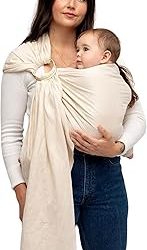
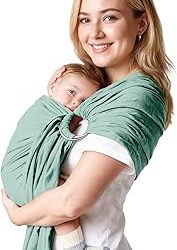
- Ring Slings: Ring slings are convenient for quick ups and downs. However, they require careful adjustment to ensure the baby is held in a safe, ergonomic position. The baby’s weight should be distributed evenly, and their airway must remain unobstructed. Always ensure the rings are properly threaded and the fabric is spread across the baby’s back and in a deep seat.
- Mei Tais: These carriers combine elements of wraps and SSCs. Like SSCs, ensure the leg and body panels are adjusted correctly for your baby’s size and that the straps are tied securely.
Age and Developmental Stage Considerations
Babywearing safety evolves as your baby grows and develops:
- Newborns (0-4 months): Emphasis is on head and neck support. The carrier must fully support their head and neck, and their airway must be kept clear. A “frog-legged” or M-position is crucial for hip health. Look for carriers specifically designed for newborns or those with adjustable inserts.
- Infants (4-12 months): As your baby gains head control, they can often be worn facing outwards, but only if they are developmentally ready and their airway is still easily visible. This outward-facing position can be overstimulating for some infants and should not be used for extended periods. Always prioritize inward-facing for optimal safety and bonding.
- Toddlers (12+ months): Toddlers benefit from carriers that offer good back and leg support for longer wear times. Hip-healthy carries remain important, as does ensuring the carrier can comfortably and securely support their weight.
Ergonomics for Baby and Wearer
Safe babywearing is also about comfort and ergonomics for both you and your baby. For the baby, the “M” position (hips abducted and knees bent above the hips) is critical for healthy hip development. This position prevents hip dysplasia. For the wearer, a properly fitted carrier distributes weight evenly, reducing strain on your back and shoulders. Adjust straps to a comfortable level and ensure the baby is centered on your body for optimal balance. Refer to resources like “The Safety Handbook for Babies and Infants: A Comprehensive Guide to Keeping Babies and Infants Safe” for detailed information on ergonomic positioning.
Tips for Safe Babywearing
- Always read and follow the manufacturer’s instructions for your specific carrier.
- Regularly inspect your carrier for any signs of wear and tear, such as frayed seams or damaged buckles.
- Practice wearing the carrier without your baby first until you are comfortable with its adjustments and fit.
- Ensure your baby is always visible and their airway is clear.
- Avoid babywearing in situations where your balance might be compromised, such as on slippery surfaces or while operating machinery.
- Be mindful of the environment. Protect your baby from extreme temperatures, direct sunlight, and potential hazards. Consult “Safe Baby Handling Tips” for broader safety advice.
Frequently Asked Questions
What is the M-position, and why is it important?
The M-position, also known as the “frog-legged” or ergonomic position, refers to how your baby’s legs should be positioned in the carrier. Their hips should be abducted (spread apart) and their knees bent, with their bottom lower than their knees. This promotes healthy hip development and prevents hip dysplasia.
Can I wear my baby facing outwards?
While some carriers allow for outward-facing, it’s generally recommended for older infants (typically 4-6 months or when they have good head control) and only for short periods. Ensure their airway is still easily visible and that they are not overstimulated. Inward-facing is always the safest and most recommended position for bonding and support.
How do I know if my carrier is too loose?
If there are large gaps between your baby and your body, if your baby is slumping, or if you can’t easily kiss the top of their head, your carrier is likely too loose. A correctly worn carrier should feel snug and supportive, holding your baby securely against you.
What should I do if I’m unsure about my baby’s positioning?
If you are ever unsure about your baby’s positioning, it’s best to err on the side of caution. Gently adjust the carrier to ensure their airway is clear and their back is supported. Many babywearing groups and educators offer free or low-cost consultations to help you master safe and comfortable carrying techniques. Resources like “Baby Proofing And Child Safety At Home” or “Ultimate Guide to Secure Your Home for Babies and Kids” touch on broader child safety, reinforcing the importance of vigilance.
Conclusion
Safe babywearing is a rewarding experience that offers immense benefits. By adhering to the TICKS rules, understanding your carrier type, considering your baby’s developmental stage, and prioritizing ergonomics, you can ensure a secure and comfortable carrying journey for both you and your little one. Continuous learning and attentiveness are key to enjoying all that babywearing has to offer.



![Review: [Specific Brand] Baby Carrier for Breastfeeding (2026)](https://babywearingdoula.com/wp-content/uploads/2026/08/review-specific-brand-baby-carrier-for-breastfeeding-312x250.jpg)
![Review: [Specific Brand] Hybrid Wrap Carrier (2026)](https://babywearingdoula.com/wp-content/uploads/2026/08/review-specific-brand-hybrid-wrap-carrier-320x250.jpg)