Key takeaways
- Practice makes perfect: Try breastfeeding in the carrier when you’re at home and relaxed before attempting it in public.
- Dress for success: Wear loose, nursing-friendly clothing. Crossover tops or shirts with easy access are ideal.
- Hydrate and snack: Keep essentials nearby, as you’ll be occupied during feeding.
- Be patient: It might take a few attempts to get the positioning just right.
Breastfeeding and babywearing are two of the most beautiful and practical ways to bond with your baby. Combining them opens up a world of convenience, allowing you to nourish your little one discreetly and comfortably while keeping your hands free for other tasks. Soft structured carriers (SSCs) and wrap carriers are particularly well-suited for tandem feeding, offering excellent support and adjustability. This guide will walk you through the process, ensuring a comfortable and successful feeding experience for both you and your baby.
Whether you’re a seasoned babywearer or new to the practice, mastering breastfeeding in a carrier can enhance your daily life. We’ll cover everything from finding the right carrier to adjusting it for optimal feeding position and common troubleshooting tips. Let’s get started on this rewarding journey!
Our top picks
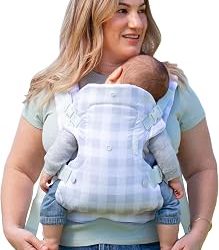
 Baby Carrier Newborn to Toddler
- [Safe Healthy Newborn Carrier]This baby carrier newborn to…
- [Skin‑Friendly Pure Cotton Baby Carrier Newborn]Upgraded material: double‑sided…
- [Parent‑Friendly Lightweight Toddler Carrier]This baby carrier newborn to…


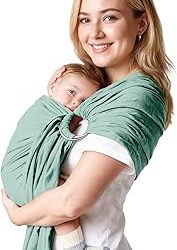
 Momcozy Baby Wrap Carrier
- Everyone Can Babywear: Momcozy baby wrap carrier is…
- Ergonomically Designed: Momcozy infant carrier slings allows babies…
- Calms and Soothes: Momcozy Baby Wrap creates a…
 Momcozy Baby Wrap Carrier
- 【Adjustable Size】Momcozy baby wrap carrier is designed with…
- 【Ergonomically Designed】For babies, Momcozy infant carrier slings allows…
- 【Load Bearing Upgrade】The fabric of the baby sling…


As an Amazon Associate we earn from qualifying purchases at no extra cost to you.
⚡ Save on Your Next PC — Amazon Prime
Prime members get fast free shipping on the systems above, plus early access to Prime Day & Black Friday PC deals. New members get a 30-day free trial.
Watch: How to Breastfeed in a Soft Structured Carrier — Video Review
Choosing the Right Carrier for Breastfeeding
Not all carriers are created equal when it comes to breastfeeding. While many SSCs and wraps can be adapted, some offer features that make the process smoother. Look for carriers that allow for significant loosening of the shoulder straps and waist belt to bring your baby lower to your breast. Wraps, like the Momcozy Baby Wrap Carrier or GROWNSY Baby Carrier, offer the most adjustability due to their fabric nature, allowing for a highly customized fit. For SSCs, carriers designed for newborns up to toddlerhood, such as the Baby Carrier Newborn to Toddler or the Beco 8 Baby Carrier, often have features that allow for this lower positioning. The MOMTORY StowNGO Pro, with its safety certifications, also proves to be a versatile option.
Preparing Your Carrier and Baby
Before you even think about feeding, ensure your carrier is fitted correctly for comfortable babywearing. The carrier should be snug against your body, supporting your baby’s hips and spine in an ergonomic M-position (knees higher than hips). Once your baby is securely in the carrier, you’ll need to adjust the carrier to facilitate breastfeeding. This typically involves loosening the shoulder straps significantly to allow your baby to descend closer to your breast. You may also need to slightly loosen the waist belt. Aim for a distance where your baby can latch comfortably without you needing to lean excessively. For a newborn, this might mean undoing the top buckle of an SSC and letting the shoulder straps relax. For wraps, you might need to loosen the fabric around your baby’s torso and the top rail.
Adjusting for the Feeding Position
The key to successful breastfeeding in a carrier is bringing your baby to your breast, not your breast to your baby. Once your baby is in the carrier and you’ve loosened the straps as described, gently guide your baby’s head towards your breast. You may need to unbutton or pull aside your top. Help your baby latch by supporting their head and neck, ensuring a deep latch to prevent nipple pain. A nursing pillow or a rolled-up blanket can be helpful to support your baby’s head and keep them at the right height, especially in the initial stages. Remember that it might take a few tries to find the perfect position. Don’t be afraid to stop, readjust, and try again.
Maintaining Comfort and Security During Feeding
Once your baby is latched and feeding, focus on your own comfort. Ensure your back is supported, and you’re not straining. You might find it helpful to sit down if possible, even if just on a low step or chair, to relieve pressure on your back. Keep a water bottle and snacks within easy reach. While your baby is feeding, their head should be supported by your hand or a rolled cloth if the carrier doesn’t provide adequate head support. Periodically check that your baby remains securely in the carrier and that the straps haven’t loosened too much, especially if you plan to move around. The goal is to maintain the ergonomic M-position as much as possible, even while feeding.
Tips for Success
- Practice makes perfect: Try breastfeeding in the carrier when you’re at home and relaxed before attempting it in public.
- Dress for success: Wear loose, nursing-friendly clothing. Crossover tops or shirts with easy access are ideal.
- Hydrate and snack: Keep essentials nearby, as you’ll be occupied during feeding.
- Be patient: It might take a few attempts to get the positioning just right.
Frequently Asked Questions
How do I bring my baby down to my breast without unbuckling everything?
For SSCs, try to loosen the shoulder straps significantly while holding your baby securely. You might need to undo the top buckle of the shoulder strap and let it hang loose, allowing your baby to lower. For wraps, you can often loosen the fabric around your baby’s body and the top rail to bring them down.
My baby seems uncomfortable, or can’t get a good latch. What should I do?
This is common! First, ensure your baby is positioned high and close enough. Then, try adjusting the carrier further to bring them even lower. Support your baby’s head and neck with your hand or a rolled cloth, and guide their chin towards your breast. A lactation consultant can also offer invaluable advice on latching techniques.
Is it safe to breastfeed in a carrier while walking?
Yes, it is generally safe, but requires extra awareness. Ensure your baby is securely fastened and has a deep latch. Move slowly and cautiously, and be mindful of your surroundings. Many experienced babywearers find it quite convenient for on-the-go feeding.
Can I breastfeed a newborn in a soft structured carrier?
Absolutely. Many SSCs, like the Baby Carrier Newborn to Toddler, are designed to be used from birth. The key is to ensure your newborn is in an appropriate, ergonomic position and to adjust the carrier sufficiently to bring them to your breast comfortably. Wraps are also excellent for newborns and offer great adjustability for feeding.
Conclusion
Breastfeeding in a soft structured carrier or wrap is a liberating skill that can greatly enhance your parenting journey. By understanding your carrier, practicing patience, and focusing on proper positioning, you can confidently nourish your baby anytime, anywhere. Embrace the freedom and connection that comes with this beautiful combination of babywearing and breastfeeding.



![Review: [Specific Brand] Baby Carrier for Breastfeeding (2026)](https://babywearingdoula.com/wp-content/uploads/2026/08/review-specific-brand-baby-carrier-for-breastfeeding-312x250.jpg)