
Key takeaways
- Ergonomic Support: A well-tied Mei Tai promotes a healthy M-position for the baby’s hips, with knees higher than the bottom, which is crucial for hip development. This also distributes the baby’s weight evenly across the wearer’s back and shoulders, reducing strain.
- Customizable Fit: The tying system allows for a precise and comfortable fit for wearers of all shapes and sizes, ensuring optimal weight distribution and security.
- Versatility: Mei Tais can often be used for front, back, and hip carries, providing options as your baby grows and their preferences change. Some models, like the LÍLLÉbaby Complete All Seasons Ergonomic 6-in-1, even offer outward-facing options.
- Simplicity and Portability: Compared to wraps, Mei Tais are generally quicker to put on once you’ve mastered the tying. They are also relatively compact and easy to store or pack for outings.
- Bonding and Connection: Like all babywearing methods, Mei Tais facilitate close physical contact, which can enhance bonding and soothe both parent and child.
Welcome to our comprehensive guide to Mei Tai baby carriers! In 2026, the world of babywearing continues to evolve, offering parents innovative and ergonomic solutions for keeping their little ones close. Among the diverse options available, the Mei Tai stands out as a versatile and intuitive carrier, blending the simplicity of a wrap with the structure of a buckle carrier. This guide will demystify the Mei Tai, helping you understand its benefits, how to use it, and what to look for when choosing the perfect one for your family.
Unlike some other carriers, Mei Tais don’t rely on buckles or snaps for most of their structure. Instead, they utilize fabric straps that are tied or secured around your body and your baby. This allows for a highly customizable fit, adapting to both the wearer and the baby’s size and position. Whether you’re a seasoned babywearer or a curious beginner, the Mei Tai offers a comfortable, ergonomic, and stylish way to experience the joys of carrying your child.
Our top picks
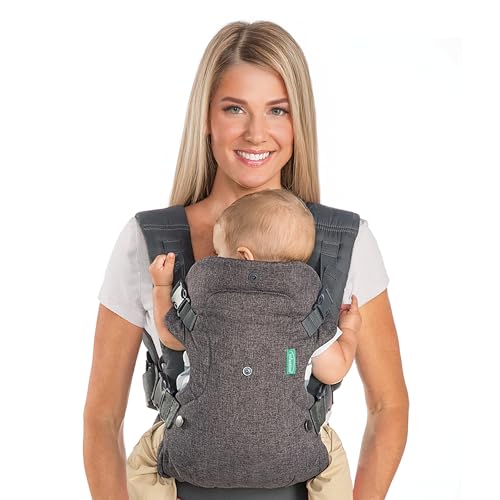 Infantino Flip 4-in-1 Baby Carrier Convertible Ergonomic
- From coffee runs and grocery trips to neighborhood…
- The adjustable convertible seat supports babies from 8-32…
- Choose facing-in with a narrow seat, facing-in with…
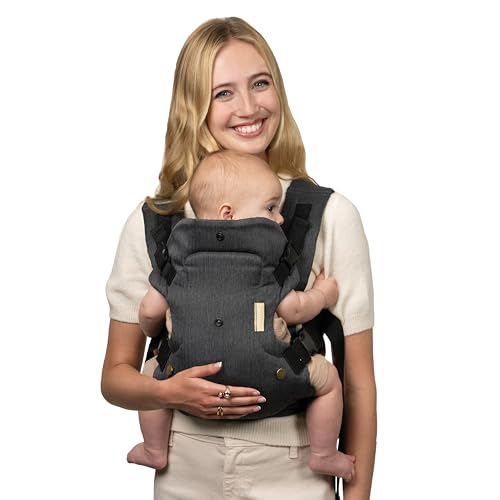 Infantino Flip Luxe 4-in-1 Baby Carrier Ergonomic
Four carry modes adapt as your baby grows
Updated lumbar support eases extended wear
Covers a wide 7 to 35 pound weight range
Listing does not specify if the cover is machine washable
Four carry modes add a learning curve to switch between
| Product | Key specs | |
|---|---|---|
 LÍLLÉbaby Complete All Seasons Ergonomic 6-in-1 Baby LÍLLÉbaby Complete All Seasons Ergonomic 6-in-1 Baby | Check price | |
| Infantino Flip 4-in-1 Baby Carrier Convertible Ergonomic | From coffee runs and grocery trips to neighborhood… The adjustable convertible seat supports babies from 8-32… Choose facing-in with a narrow seat, facing-in with… | Check price |
| Infantino Flip Luxe 4-in-1 Baby Carrier Ergonomic | Check price | |
 MOMTORY Safety-Certified 6-in-1 Baby Carrier Newborn to MOMTORY Safety-Certified 6-in-1 Baby Carrier Newborn to | 𝐅𝐫𝐨𝐦 𝐁𝐚𝐛𝐲 𝐭𝐨 𝐓𝐨𝐝𝐝𝐥𝐞𝐫, 𝐎𝐮𝐫 𝐂𝐚𝐫𝐫𝐢𝐞𝐫'𝐬 𝐆𝐨𝐭 𝐘𝐨𝐮!:… 𝐄𝐟𝐟𝐨𝐫𝐭𝐥𝐞𝐬𝐬 𝐒𝐚𝐟𝐞𝐭𝐲, 𝐒𝐞𝐚𝐦𝐥𝐞𝐬𝐬 𝐂𝐨𝐦𝐟𝐨𝐫𝐭 - MOMTORY baby wraps… 𝐎𝐧𝐞 𝐁𝐚𝐛𝐲 𝐂𝐚𝐫𝐫𝐢𝐞𝐫, 𝐄𝐧𝐝𝐥𝐞𝐬𝐬 𝐏𝐨𝐬𝐬𝐢𝐛𝐢𝐥𝐢𝐭𝐢𝐞𝐬: 6 carrying positions,… | Check price |
 Infantino Flip Advanced 4-in-1 Baby Carrier Infantino Flip Advanced 4-in-1 Baby Carrier | From coffee runs and grocery trips to neighborhood… The adjustable convertible seat supports babies from 8-32… Choose facing-in with a narrow seat, facing-in with… | Check price |
 KeaBabies Baby Wrap Carrier KeaBabies Baby Wrap Carrier | Ergonomically Designed - KeaBabies Original Baby Wrap Carrier… Nice and Snug Everyone Can Babywear - KeaBabies Original Baby Sling… | Check price |
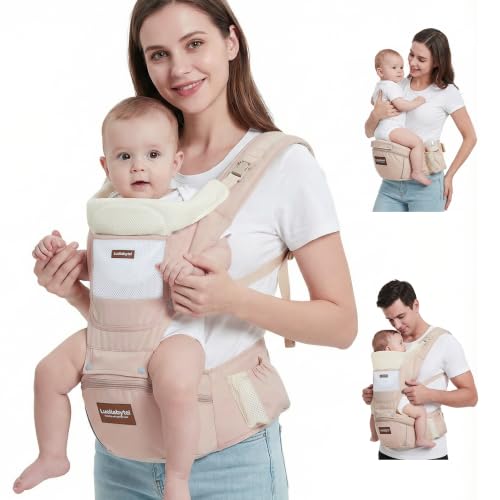 Luollabytel Baby Carrier with Hip Seat Luollabytel Baby Carrier with Hip Seat | Grows with Your Baby from Newborn to Toddler:… 6-in-1 Versatile Carrying Positions: Switch between 6 ways… Ergonomic M-Shaped Design for Healthy Hip Development: Supports… | Check price |
 LÍLLÉbaby Complete 6-in-1 Ergonomic Baby Carrier Infant LÍLLÉbaby Complete 6-in-1 Ergonomic Baby Carrier Infant | Check price |
As an Amazon Associate we earn from qualifying purchases at no extra cost to you.
⚡ Save on Your Next PC — Amazon Prime
Prime members get fast free shipping on the systems above, plus early access to Prime Day & Black Friday PC deals. New members get a 30-day free trial.
Watch: Mei Tai Baby Carriers: A Complete Buying Guide — Video Review
What is a Mei Tai Baby Carrier?
A Mei Tai baby carrier, originating from China, is a soft-structured carrier characterized by a rectangular body panel and four long straps: two that go over the shoulders and two that tie around the waist. This design allows for multiple carrying positions, typically including front inward-facing, back inward-facing, and hip carry. The absence of buckles on many traditional Mei Tais creates a snug, adaptable fit that contours to both parent and baby. Modern Mei Tais often incorporate some buckle elements for ease of use and added security, bridging the gap between traditional and buckle carriers. They are generally suitable for babies from newborn stage (often with an insert or specific newborn setting) up to toddlerhood, typically supporting weights from 7 to 45 pounds, depending on the specific model.
Benefits of Using a Mei Tai
- Ergonomic Support: A well-tied Mei Tai promotes a healthy M-position for the baby’s hips, with knees higher than the bottom, which is crucial for hip development. This also distributes the baby’s weight evenly across the wearer’s back and shoulders, reducing strain.
- Customizable Fit: The tying system allows for a precise and comfortable fit for wearers of all shapes and sizes, ensuring optimal weight distribution and security.
- Versatility: Mei Tais can often be used for front, back, and hip carries, providing options as your baby grows and their preferences change. Some models, like the LÍLLÉbaby Complete All Seasons Ergonomic 6-in-1, even offer outward-facing options.
- Simplicity and Portability: Compared to wraps, Mei Tais are generally quicker to put on once you’ve mastered the tying. They are also relatively compact and easy to store or pack for outings.
- Bonding and Connection: Like all babywearing methods, Mei Tais facilitate close physical contact, which can enhance bonding and soothe both parent and child.
Choosing the Right Mei Tai
When selecting a Mei Tai, consider the following factors:
- Material: Look for breathable and durable fabrics. Cotton is common, but blends with linen or bamboo can offer enhanced breathability and softness. For year-round use, consider models with adjustable features for different seasons, such as the LÍLLÉbaby Complete All Seasons Ergonomic 6-in-1.
- Body Panel Size: Ensure the body panel is wide and high enough to comfortably support your baby in an ergonomic position as they grow. Some carriers, like the MOMTORY Safety-Certified 6-in-1 Baby Carrier, are designed for a wider age and size range.
- Strap Design: Some Mei Tais have padded shoulder straps for added comfort, while others have unpadded ones that can be spread wider for better weight distribution. Waist straps are usually tied, but some hybrid models might feature buckles.
- Newborn Support: If you plan to use the Mei Tai from birth, check if it offers specific features for newborns, such as an integrated infant insert or adjustable seat width, or if it’s best paired with a wrap like the KeaBabies Baby Wrap Carrier for the earliest months.
- Ease of Use: While traditional Mei Tais have a learning curve, many modern versions, including some iterations of the Infantino Flip 4-in-1 Baby Carrier, offer simpler tying or buckle systems.
How to Use a Mei Tai (Basic Front Carry)
The exact tying method can vary between models, but a common approach for a front inward-facing carry is as follows:
- Position the Carrier: Sit down with the baby carrier’s body panel behind your back, resting against your lower back or hips.
- Tie the Waist Straps: Bring the two waist straps around to your front and tie them securely in a double knot. Ensure the bottom of the body panel is at your baby’s knee level.
- Place the Baby: Sit your baby onto the tied waist straps, ensuring their bottom is well-supported and their knees are higher than their hips (M-position).
- Cross the Shoulder Straps: Bring the two shoulder straps up and over your baby’s back, crossing them underneath their bottom.
- Secure the Straps: Bring the shoulder straps around to your back again and tie them securely. You can tie them over the waist strap knot for added security and to pull the baby closer.
- Adjust for Comfort: Ensure the baby is snug and supported, and adjust the straps for your comfort.
Tips for Mei Tai Success
- Practice tying with a stuffed animal or pillow before trying with your baby.
- Ensure your baby is securely positioned with their airway clear at all times.
- Experiment with different tying techniques to find what’s most comfortable for you and your baby.
- Consult your carrier’s manual or online tutorials for specific instructions for your model.
Frequently Asked Questions
Are Mei Tais suitable for newborns?
Many Mei Tais can be used with newborns, often with the help of an infant insert or by ensuring the body panel is adjusted to cradle a small baby. Some parents prefer to start with a stretchy wrap like the KeaBabies Baby Wrap Carrier for the first few weeks before transitioning to a Mei Tai. Always check the manufacturer’s recommendations for minimum weight and size requirements.
How do I ensure my baby is safe in a Mei Tai?
Safety is paramount. Always ensure your baby’s airway is clear, their face is visible, and they are in an ergonomic M-position with their hips supported. Double-check all knots and ties are secure before walking around. Never leave your baby unattended in the carrier.
Can I use a Mei Tai for outward-facing carries?
Some Mei Tai-style carriers, like the LÍLLÉbaby Complete All Seasons Ergonomic 6-in-1, offer outward-facing options. However, traditional Mei Tais are primarily designed for inward-facing and back carries, as outward-facing can sometimes be less ergonomic and may not support a young baby’s head and neck adequately.
How do Mei Tais compare to buckle carriers like the Infantino Flip series?
Mei Tais offer a more customizable, wrap-like fit due to their tie-based system, which many find more comfortable for weight distribution. Buckle carriers, such as the Infantino Flip 4-in-1 Baby Carrier or the Infantino Flip Luxe 4-in-1 Baby Carrier, are generally quicker and easier to put on and take off once adjusted, making them popular for convenience. The choice often comes down to personal preference for fit and ease of use.
The Mei Tai baby carrier remains a beloved choice for its blend of comfort, adaptability, and ergonomic design. By understanding its features and how to use it effectively, you can unlock a wonderful way to keep your baby close while enjoying hands-free mobility. Explore the options, practice with patience, and embrace the beautiful journey of babywearing!



![Review: [Specific Brand] Baby Carrier for Breastfeeding (2026)](https://babywearingdoula.com/wp-content/uploads/2026/08/review-specific-brand-baby-carrier-for-breastfeeding-312x250.jpg)
![Review: [Specific Brand] Hybrid Wrap Carrier (2026)](https://babywearingdoula.com/wp-content/uploads/2026/08/review-specific-brand-hybrid-wrap-carrier-320x250.jpg)