Key takeaways
- Disorientation: The sudden change in environment and being enclosed can be startling.
- Positioning: The carrier might not be adjusted correctly for their size or comfort, leading to awkward or restrictive positioning. Ensure their legs are in an M-shape, their back is naturally curved, and their airway is clear.
- Feeling Trapped: Babies crave connection. If they feel too far from you or can’t see their surroundings, they may become anxious.
- Temperature: Being too hot or too cold can make any baby fussy, and a carrier can amplify this.
- Hunger or Discomfort: Ensure your baby’s basic needs are met before attempting to use the carrier. A diaper change, a feeding, or a burp can make a world of difference.
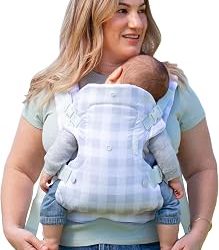
- Carrier Type: Some babies prefer the snugness of a wrap like the KeaBabies Baby Wrap Carrier, while others might feel more secure in a structured carrier like the Infantino Flip Luxe 4-in-1 Baby Carrier.
Welcoming a new baby into your life is a joyous time, and babywearing can be an incredible way to bond, keep your little one close, and navigate your day with more freedom. However, sometimes babies resist carriers, leaving parents feeling frustrated and wondering what went wrong. Don’t despair! With a little patience, understanding, and the right approach, you can help your baby learn to love their carrier. This guide will walk you through common reasons for resistance and provide practical, step-by-step strategies to make babywearing a positive experience for both of you.
We understand that every baby is unique, and what works for one might not work for another. The key is to remain calm, observe your baby’s cues, and introduce the carrier gradually. This guide is designed to be your trusted resource, offering expert advice and actionable tips to ease your baby into the wonderful world of babywearing.
Our top picks
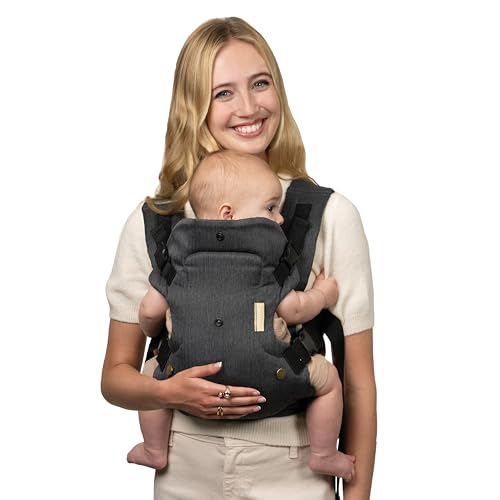 Infantino Flip Luxe 4-in-1 Baby Carrier Ergonomic
Four carry modes adapt as your baby grows
Updated lumbar support eases extended wear
Covers a wide 7 to 35 pound weight range
Listing does not specify if the cover is machine washable
Four carry modes add a learning curve to switch between
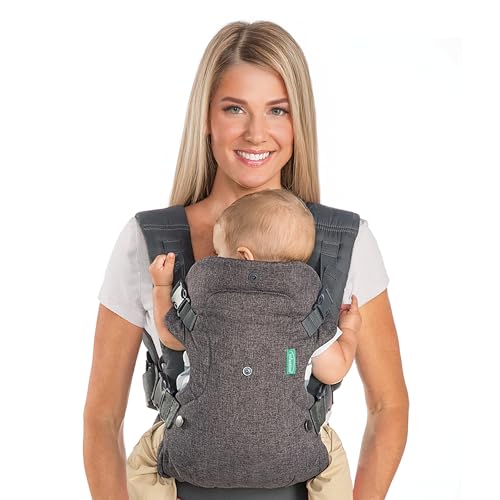 Infantino Flip 4-in-1 Baby Carrier Convertible Ergonomic
- From coffee runs and grocery trips to neighborhood…
- The adjustable convertible seat supports babies from 8-32…
- Choose facing-in with a narrow seat, facing-in with…
| Product | Key specs | |
|---|---|---|
| Infantino Flip Luxe 4-in-1 Baby Carrier Ergonomic | Check price | |
| Infantino Flip 4-in-1 Baby Carrier Convertible Ergonomic | From coffee runs and grocery trips to neighborhood… The adjustable convertible seat supports babies from 8-32… Choose facing-in with a narrow seat, facing-in with… | Check price |
 Infantino Flip Luxe 4-in-1 Baby Carrier Ergonomic Infantino Flip Luxe 4-in-1 Baby Carrier Ergonomic | Check price | |
 Infantino Flip Advanced 4-in-1 Baby Carrier Infantino Flip Advanced 4-in-1 Baby Carrier | From coffee runs and grocery trips to neighborhood… The adjustable convertible seat supports babies from 8-32… Choose facing-in with a narrow seat, facing-in with… | Check price |
 KeaBabies Baby Wrap Carrier KeaBabies Baby Wrap Carrier | Ergonomically Designed - KeaBabies Original Baby Wrap Carrier… Nice and Snug Everyone Can Babywear - KeaBabies Original Baby Sling… | Check price |
 Momcozy PureHug Baby Carrier Momcozy PureHug Baby Carrier | Check price | |
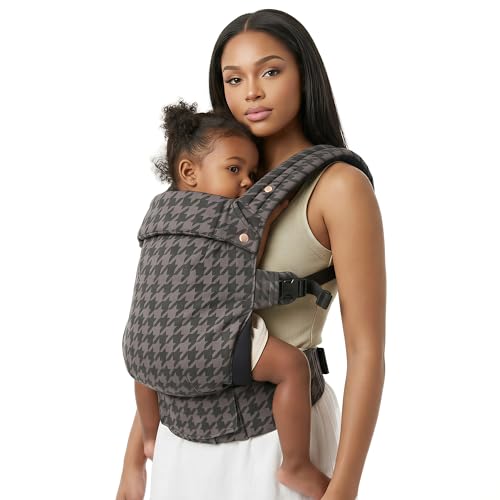 Baby Carrier Newborn to Toddler Baby Carrier Newborn to Toddler | [Safe Healthy Newborn Carrier]This baby carrier newborn to… [Skin‑Friendly Pure Cotton Baby Carrier Newborn]Upgraded material: double‑sided… [Parent‑Friendly Lightweight Toddler Carrier]This baby carrier newborn to… | Check price |
 Ergobaby Embrace Newborn Baby Carrier for Infants Ergobaby Embrace Newborn Baby Carrier for Infants | Check price |
As an Amazon Associate we earn from qualifying purchases at no extra cost to you.
⚡ Save on Your Next PC — Amazon Prime
Prime members get fast free shipping on the systems above, plus early access to Prime Day & Black Friday PC deals. New members get a 30-day free trial.
Watch: How to Ease Baby into a Carrier if They Resist — Video Review
Understand Why Your Baby Might Be Resisting
Before diving into solutions, it’s helpful to consider why your baby might be unhappy in the carrier. Common reasons include:
- Disorientation: The sudden change in environment and being enclosed can be startling.
- Positioning: The carrier might not be adjusted correctly for their size or comfort, leading to awkward or restrictive positioning. Ensure their legs are in an M-shape, their back is naturally curved, and their airway is clear.
- Feeling Trapped: Babies crave connection. If they feel too far from you or can’t see their surroundings, they may become anxious.
- Temperature: Being too hot or too cold can make any baby fussy, and a carrier can amplify this.
- Hunger or Discomfort: Ensure your baby’s basic needs are met before attempting to use the carrier. A diaper change, a feeding, or a burp can make a world of difference.
- Carrier Type: Some babies prefer the snugness of a wrap like the KeaBabies Baby Wrap Carrier, while others might feel more secure in a structured carrier like the Infantino Flip Luxe 4-in-1 Baby Carrier.
Gradual Introduction: The Key to Success
The most effective way to help a resistant baby adjust is through a slow, positive, and consistent introduction. Think of it as introducing them to a new friend – you wouldn’t force them into a hug immediately!
- Start with the Carrier Empty: Let your baby explore the carrier while it’s on the floor or a chair. Allow them to touch it, smell it, and get accustomed to its presence. You can even place a favorite stuffed animal inside for a few minutes.
- “Pre-wear” the Carrier: Put the carrier on yourself *without* your baby in it. Walk around your house for a few minutes. This allows your baby to see you wearing it and associate it with a familiar, comforting presence.
- Short Bursts of Wear Time: Begin with very short intervals, perhaps only 1-2 minutes. Hold your baby, or have another caregiver assist, and gently place them in the carrier. Distract them with singing, talking, or gentle rocking. Remove the carrier *before* they become significantly distressed.
- Increase Duration Slowly: As your baby becomes more comfortable, gradually increase the wear time by 1-2 minutes each session. Aim for 5-10 minutes initially, then build up to 20-30 minutes.
- Associate with Positive Experiences: Use the carrier during times when your baby is generally content, like during a calm walk around the house or while you’re doing light chores they can observe.
Mastering the Fit: Comfort is Paramount
An ill-fitting carrier can be incredibly uncomfortable and a sure way to trigger resistance. Taking the time to ensure a perfect fit is crucial for both baby and wearer. Many carriers, like the Infantino Flip 4-in-1 or the Momcozy PureHug Baby Carrier, offer adjustable straps and panels to accommodate different sizes.
- Newborn Positioning (Infant Front-Facing In): For newborns, always position them facing inwards, close to your chest. Their head should be supported, and their airway clear. Ensure the carrier is snug enough to support their neck and back. For babies under 4 months, a wrap like the KeaBabies Baby Wrap Carrier can offer excellent head and neck support.
- Toddler Positioning (Infant Front-Facing Out/Back Carry): As your baby grows and develops head control (typically around 4-6 months), you can explore front-facing out or back carry positions. Always ensure their legs are supported and comfortable, and they can easily see their surroundings.
- Adjust Straps Tightly (But Not Too Tightly): The carrier should feel secure and supportive, with no significant sagging. You should be able to comfortably run a finger between the carrier and your baby’s neck.
- Check for Red Marks: After wear, check your baby’s skin for any red marks or irritation from the carrier. This indicates a potential fit issue or rubbing.
Distraction and Engagement Tactics
Once your baby is in the carrier, keeping them engaged and distracted can significantly improve their experience. A happy, occupied baby is less likely to resist.
- Sing and Talk: Your voice is incredibly soothing. Sing songs, tell stories, or simply narrate what you’re doing.
- Gentle Movement: Swaying, rocking, or gentle bouncing can be very calming. A short walk around the house or garden can also be a pleasant distraction.
- Provide a View: If your baby is in a front-facing out position, ensure they have a good view of their surroundings. Point out interesting objects or people.
- Offer a Toy (Carefully): A small, safe toy that can be easily grasped can provide a distraction, but ensure it doesn’t become a choking hazard or fall out of reach.
- Snacks and Comfort Items: For older babies, a small snack or a familiar comfort item can be a welcome addition during wear.
Tips for Success
- Consistency is Key: Aim for short, positive experiences regularly rather than long, stressful ones infrequently.
- Read Your Baby’s Cues: Learn to recognize early signs of distress (fussing, arching back, turning head away) and respond promptly by removing the carrier.
- Don’t Force It: If your baby is having a particularly difficult day or is genuinely overwhelmed, it’s okay to put the carrier away and try again another time.
- Seek Support: Connect with other babywearing parents online or in local groups. They can offer valuable advice and encouragement.
Frequently Asked Questions
My baby cries as soon as I put them in the carrier. What should I do?
This is a common starting point. Immediately stop and ensure the carrier is adjusted correctly for their age and size. Try the “pre-wearing” technique or put the carrier on while your baby is already calm and content in your arms. Start with just a few seconds, offering a pacifier, singing, or a gentle bounce, and remove it before they escalate to crying.
Is it normal for my baby to feel hot in the carrier?
Yes, babies can sometimes feel warmer in a carrier due to proximity and added layers. Always dress your baby in layers that can be adjusted. You can also use breathable carriers like the Infantino Flip Luxe 4-in-1 Baby Carrier Ergonomic 7-35 lbs, Onyx, which are designed with airflow in mind. Avoid overheating by staying in well-ventilated areas and checking your baby’s temperature regularly by feeling their neck or back.
My baby seems uncomfortable or wiggly. How can I tell if the carrier is fitting properly?
A proper fit ensures your baby’s hips are in an M-shape, their knees are higher than their bum, their spine has a gentle C-curve, and their airway is always clear. If your baby is squirming excessively, it might indicate discomfort due to positioning, tightness, or looseness. Re-adjust the straps and ensure their body is well-supported.
How long should I expect it to take for my baby to get used to the carrier?
This varies greatly. Some babies adapt within a few days of consistent, short exposures, while others may take a few weeks. Be patient and celebrate small victories. The goal is for your baby to associate the carrier with closeness, comfort, and positive experiences.
Conclusion
Easing your baby into a carrier when they resist is a journey that requires patience, understanding, and a gentle approach. By focusing on gradual introduction, ensuring a perfect fit, and utilizing distraction techniques, you can transform potential resistance into a joyful babywearing experience. Remember, the goal is to create a secure and loving connection, and with a little effort, you and your baby can enjoy the many benefits of being close while on the go.



![Review: [Specific Brand] Baby Carrier for Breastfeeding (2026)](https://babywearingdoula.com/wp-content/uploads/2026/08/review-specific-brand-baby-carrier-for-breastfeeding-312x250.jpg)

![Review: [Specific Brand] Hybrid Wrap Carrier (2026)](https://babywearingdoula.com/wp-content/uploads/2026/08/review-specific-brand-hybrid-wrap-carrier-320x250.jpg)