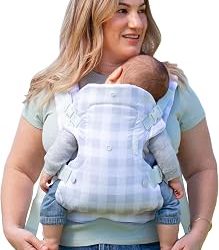
Key takeaways
- Practice Before Baby Arrives: Familiarize yourself with your carrier’s adjustments using a stuffed animal or pillow.
- Consult Your Carrier’s Manual: Each carrier is unique. Always refer to the manufacturer’s instructions for specific guidance.
- Seek a Babywearing Consult: If you’re struggling, a certified babywearing consultant can provide personalized help and ensure a safe, comfortable fit.
- Listen to Your Body and Baby: If either of you seems uncomfortable, readjust. Babywearing should be enjoyable for both!
Welcome to the wonderful world of babywearing! For new parents, a soft-structured carrier (SSC) can be a game-changer, offering hands-free convenience and a deep connection with your little one. However, fitting an SSC correctly for a tiny newborn is crucial for both comfort and safety. This guide will walk you through the essential adjustments to ensure a snug, supportive, and ergonomic fit for your baby.
It’s important to remember that while many SSCs are designed for newborns, they often require specific adjustments to accommodate their smaller size and developing bodies. We’ll cover the key elements of fitting your carrier, from ensuring the right seat width to achieving proper back support.
Our top picks

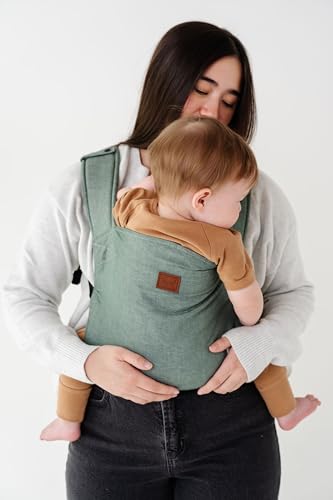
 Baby Carrier Newborn to Toddler
- [Safe Healthy Newborn Carrier]This baby carrier newborn to…
- [Skin‑Friendly Pure Cotton Baby Carrier Newborn]Upgraded material: double‑sided…
- [Parent‑Friendly Lightweight Toddler Carrier]This baby carrier newborn to…



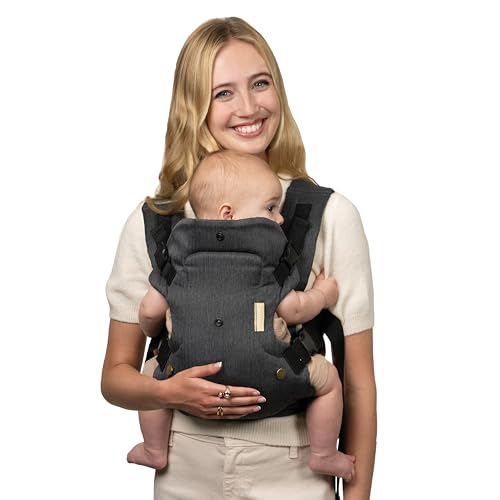 Infantino Flip Luxe 4-in-1 Baby Carrier Ergonomic
Four carry modes adapt as your baby grows
Updated lumbar support eases extended wear
Covers a wide 7 to 35 pound weight range
Listing does not specify if the cover is machine washable
Four carry modes add a learning curve to switch between
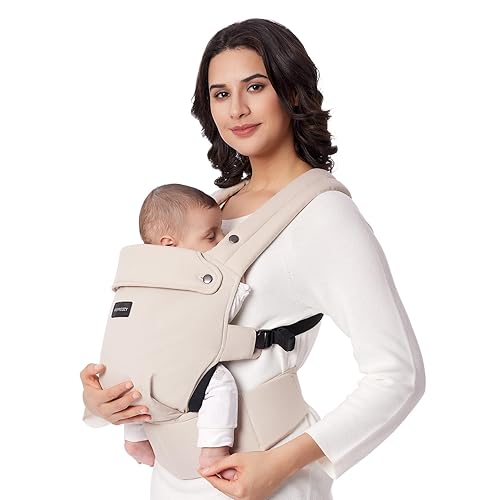
As an Amazon Associate we earn from qualifying purchases at no extra cost to you.
⚡ Save on Your Next PC — Amazon Prime
Prime members get fast free shipping on the systems above, plus early access to Prime Day & Black Friday PC deals. New members get a 30-day free trial.
Watch: How to Adjust a Soft Structured Carrier for a Newborn — Video Review
Understanding the Newborn Fit: Key Principles
Newborns (typically 7-12 lbs and under 20 inches) have very different needs than older babies. Their spines are still C-shaped, and their hips require a wide, supported “M” or frog-like position to promote healthy development. An SSC needs to be adjusted to mimic this natural posture, preventing pressure points and ensuring their airways remain unobstructed. The goal is to create a snug pouch that cradles your baby, bringing them close to your chest with their chin off their chest and visible.
Adjusting the Seat Width for a Newborn
This is arguably the most critical adjustment for newborns. Most SSCs, like the Mabē Monarch Ergonomic Baby Carrier or the Happy! Original Baby Carrier, have adjustable seat widths. For a newborn, the seat should be set to its narrowest setting. This ensures that the fabric runs from knee to knee, supporting their thighs and allowing their hips to fall into that natural, wide “M” shape. The edge of the seat should be just behind their knees, not digging into the back of their thighs. If the seat is too wide, it can force their legs to hang straight down, which is not hip-healthy. For carriers like the Boppy ComfyFit Adjust Baby Carrier, look for the specific newborn insert or lowest buckle settings.
Securing the Body Panel Height
The body panel of the carrier should support your newborn’s back and neck. For a newborn, you want the panel to come up to the base of their ears or just below. This provides essential head and neck support, especially for babies who cannot yet hold their heads up independently. If the panel is too high, it can obstruct their view and potentially their breathing. If it’s too low, they won’t have adequate support. Many carriers, including the GROWNSY Baby Carrier, feature adjustable height panels or ways to fold down the top edge to achieve this. Ensure there are no loose folds of fabric around their face.
Checking the Straps and Buckles
Once the seat and panel are adjusted, focus on the straps. For newborns, it’s often beneficial to have the shoulder straps brought forward to a position that allows the carrier to sit higher on your chest. This keeps your baby close and their weight distributed evenly. Some parents find it helpful to initially connect the back strap (if applicable) at a higher position on their back. Ensure all buckles are securely fastened and there’s no excess webbing that could pose a hazard. For hybrid carriers like the Boppy ComfyFit, the wrap portion provides additional snugness that can be adjusted specifically for the newborn stage.
Ensuring Proper Positioning and Airway Clearance
With the carrier adjusted, it’s time to put your baby in. The “TICKS” mnemonic is your best friend here: Tight, In view at all times, Close enough to kiss, Keep chin off chest, and Supported back. Ensure the carrier is snug, your baby is visible, close enough for you to kiss their head, their chin is not touching their chest (allowing for clear breathing), and their back is supported in a natural, curved position. A simple check is to ensure you can easily slip a finger between your baby’s neck and the carrier panel. This ensures their airway is clear.
Tips for a Perfect Newborn Fit
- Practice Before Baby Arrives: Familiarize yourself with your carrier’s adjustments using a stuffed animal or pillow.
- Consult Your Carrier’s Manual: Each carrier is unique. Always refer to the manufacturer’s instructions for specific guidance.
- Seek a Babywearing Consult: If you’re struggling, a certified babywearing consultant can provide personalized help and ensure a safe, comfortable fit.
- Listen to Your Body and Baby: If either of you seems uncomfortable, readjust. Babywearing should be enjoyable for both!
Frequently Asked Questions
What is the minimum weight for a soft-structured carrier?
Most soft-structured carriers are designed to be used from birth, but some have a minimum weight requirement, often around 7-8 pounds. Always check your specific carrier’s manual for its stated weight range. Carriers like the Mabē Monarch Ergonomic Baby Carrier and Happy! Original Baby Carrier are generally suitable from this weight, often with specific newborn adjustments.
Can I use a soft-structured carrier without a newborn insert?
Many modern soft-structured carriers are designed with built-in newborn adjustments that eliminate the need for separate inserts. Features like adjustable seat width and panel height, seen in models like the Boppy ComfyFit Adjust Baby Carrier and the Mabē Monarch, allow for a safe and ergonomic fit for newborns. However, some older or simpler models may still require a dedicated insert.
How do I know if the seat is wide enough for my newborn?
For a newborn, the seat should be adjusted to its narrowest setting. The fabric of the seat should go from one of your baby’s knees to the other, supporting their thighs. The edge of the seat should rest in the crease behind their knees, not digging into their thighs. This allows their hips to maintain a natural, spread, and slightly flexed “M” position.
What if my baby seems too small for the carrier even with adjustments?
If your baby is particularly petite (under 7 lbs) or you’re still finding it difficult to achieve a snug and secure fit, consider using a dedicated newborn wrap or a hybrid carrier that offers more customizable snugness, such as the Boppy ComfyFit Adjust Baby Carrier or the GROWNSY Baby Carrier. Consulting with a babywearing educator can also provide tailored advice and demonstrate techniques for achieving a perfect fit with smaller infants.
Conclusion
Adjusting a soft-structured carrier for your newborn might seem daunting at first, but with careful attention to the seat width, body panel height, and strap adjustments, you can create a safe, comfortable, and intimate carrying experience. Prioritizing hip-healthy positioning and clear airways will ensure your baby is snug and secure while you navigate the early days of parenthood. Happy babywearing!



![Review: [Specific Brand] Baby Carrier for Breastfeeding (2026)](https://babywearingdoula.com/wp-content/uploads/2026/08/review-specific-brand-baby-carrier-for-breastfeeding-312x250.jpg)
![Review: [Specific Brand] Hybrid Wrap Carrier (2026)](https://babywearingdoula.com/wp-content/uploads/2026/08/review-specific-brand-hybrid-wrap-carrier-320x250.jpg)